
How To
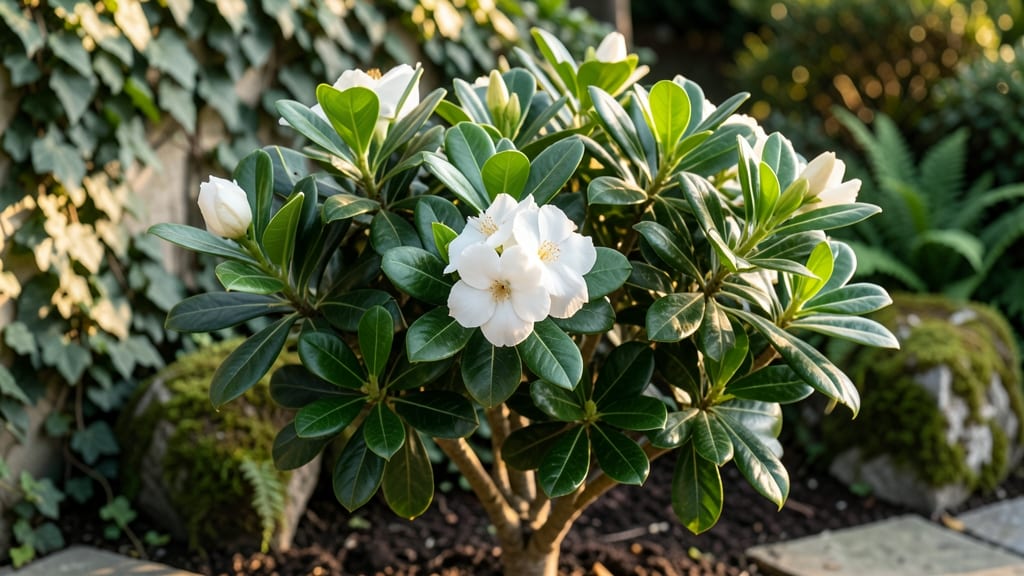
Gardenia plants grow anywhere from 2 to 6 feet tall depending on the variety, making them a versatile choice for gardens, containers, or even as hedges.
If you're dreaming of fragrant, glossy gardenias but wondering whether they’ll fit in your garden or container, knowing their mature height is key—because these beauties range from compact shrubs to towering small trees!
Some varieties stay under 3 feet, perfect for patio pots, while others reach 6 feet or more, ideal for privacy screens or landscape focal points.
Below, I break down the exact height ranges by variety, how to control their growth with pruning, and whether container size affects how tall they’ll grow—so you can plan your gardenia’s future with confidence.


Gardenia height ranges by variety: compact to towering types
If you're planning your dream garden with fragrant gardenias, understanding their mature height is essential. These tropical beauties come in sizes from dwarf shrubs under 2 feet to tall specimens reaching 6 feet, making them versatile for containers, borders, or as small trees.
The right variety ensures your gardenia fits perfectly in your space while thriving in its ideal conditions.
Gardenias thrive in USDA Zones 7-11 and prefer acidic, well-draining soil with partial shade. Their height isn't just about aesthetics—it also affects their care needs. For example, taller varieties may need staking, while compact types are perfect for small gardens or patio containers.
Let’s explore the most popular varieties and their mature heights to help you choose the perfect fit.
Here’s a quick comparison of gardenia varieties by height, from the smallest to the tallest:
| Variety | Mature Height | Ideal Use | Sunlight Needs |
|---|---|---|---|
| Radicans | 1-2 ft | Containers, borders | Partial shade |
| Fortuniana | 2-3 ft | Small gardens, patio pots | Partial shade |
| Kleimschmidtiana | 3-4 ft | Foundation planting, shrub borders | Partial shade |
| Veitchii | 4-5 ft | Shrubbery, small trees | Partial shade |
| Augusta | 5-6 ft | Specimen plant, privacy screens | Partial shade |
| Jasmine Scented | 3-4 ft | Perfume garden, containers | Partial shade |
| Mystery | 4-5 ft | Landscaping, hedges | Partial shade |
| Kleimschmidtiana 'Dwarf' | 2-3 ft | Small spaces, bonsai-style | Partial shade |
| Radicans 'Prostrata' | 1-1.5 ft | Rock gardens, hanging baskets | Partial shade |
| Veitchii 'Sunshine' | 3-4 ft | Bright spots, containers | Partial shade |
The Radicans variety is the smallest, perfect for hanging baskets or rock gardens where space is limited. Its trailing habit makes it ideal for adding fragrance to vertical spaces.
For patio pots or small gardens, Fortuniana and Kleimschmidtiana 'Dwarf' are excellent choices, reaching just 2-3 feet tall while still producing abundant blooms.
If you're aiming for a statement shrub or small tree, Augusta and Veitchii varieties can reach 5-6 feet tall, making them perfect for foundation planting or privacy screens.
These taller varieties also work well as specimen plants in larger gardens, where their glossy leaves and fragrant flowers can be showcased.
For container gardening, choose varieties like Jasmine Scented or Veitchii 'Sunshine', which thrive in 15-20 gallon pots and can be easily moved to optimize sunlight. Just ensure your container has drainage holes and use a well-draining, acidic potting mix to prevent root rot.
Gardenias love morning sun and afternoon shade, especially in hot climates. If you live in a warmer zone (8-11), provide afternoon shade to prevent leaf scorch.
In cooler zones (7), they can tolerate more sun, but their growth may be slower. Always mulch around the base to retain moisture and regulate soil temperature.
Pruning plays a key role in managing height. To keep a compact gardenia bushy, prune after flowering to encourage new growth. For taller varieties, prune selectively to maintain a balanced shape. Avoid heavy pruning in late summer, as this can reduce next year’s blooms.
Remember, gardenias are slow growers, typically
How to control gardenia height: pruning tips for bushier or taller growth
Pruning gardenias isn’t just about keeping them tidy—it’s the secret to controlling their height and encouraging fuller blooms. Whether you want a compact 2-foot shrub or a towering 6-foot specimen, strategic cuts at the right time make all the difference.
The key lies in understanding when to prune and how to shape your plant for maximum impact.
Most gardenia varieties grow 1-2 feet per year, but leggy growth or overcrowded branches can throw off your height goals. By pruning correctly, you can stimulate bushier growth or encourage upward energy for taller plants.
Start by identifying your goal—whether it’s a manicured hedge, a container-friendly dwarf, or a privacy screen—and tailor your cuts accordingly.
⚠️ CRITICAL NOTE: Always use sterilized pruning shears to prevent disease spread, and prune just above a leaf node (where new growth emerges) for the best results.
🌿 5 Pro Tips to Control Gardenia Height
- 1 Prune after flowering (late summer/early fall) to encourage next year’s blooms while shaping growth.
- 2 For taller growth, cut backside branches to reduce competition and direct energy upward.
- 3 To keep plants bushy, trim 1/3 of leggy stems in early spring before new growth starts.
- 4 Avoid heavy pruning in winter—gardenias dormant and won’t regrow until spring.
- 5 Use sharp bypass pruners for clean cuts—dull tools crush stems, inviting disease.
Timing is everything when pruning gardenias. If you want bushier growth, focus on early spring pruning (just as new leaves emerge) to stimulate lateral branches.
For taller plants, prioritize late summer cuts to redirect energy upward before winter dormancy. Never prune in fall—this can stunt next year’s blooms.
Pro tip: Pair pruning with fertilizer applications (use an acidic, balanced 10-10-10 mix) to boost recovery after cuts. Water deeply before and after pruning to reduce stress on the plant. With the right technique, you can shape gardenias to fit any space—from patio pots to privacy screens.
Remember, gardenias respond best to gentle, regular pruning rather than drastic cuts. Over-pruning can weaken the plant and reduce flowering, so always aim for 20-30% of the plant’s volume per session. With patience and precision, you’ll achieve the perfect height and shape for your garden vision! ✂️🌸