
How To
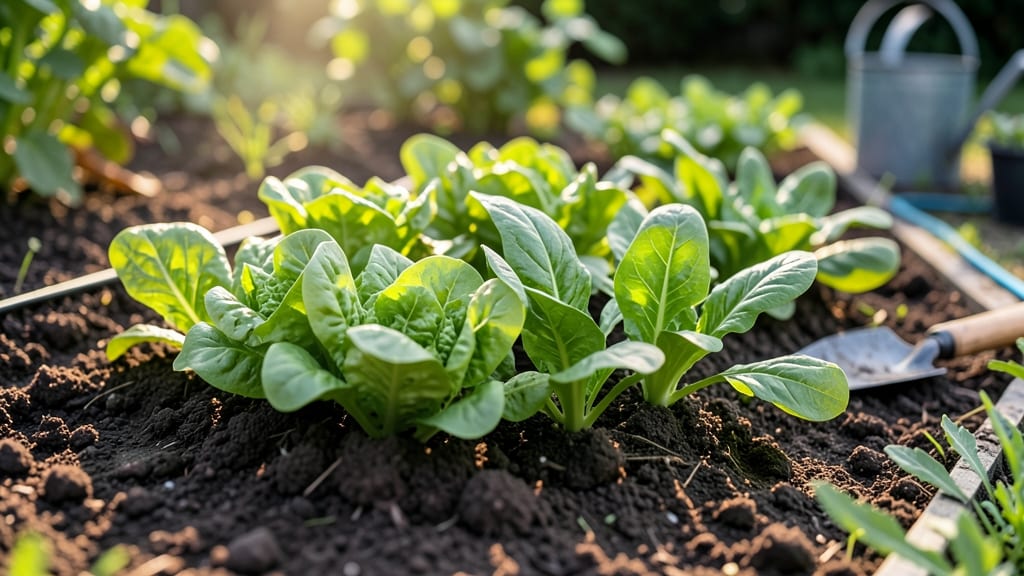
Growing a lettuce garden 🥬 doesn’t require a sun-drenched plot—you can harvest crisp greens in just 30-50 days even in shady spots with the right approach.
Struggling to grow lettuce in low-light areas? Most gardeners assume it needs full sun, but with shade-tolerant varieties and smart techniques, you can avoid bolting and enjoy fast, fresh harvests.
This guide covers everything from soil prep to pest prevention, so you’ll know exactly how to maximize growth in partial shade—no green thumb required.
Discover the best lettuce types for your space, watering schedules that prevent bitterness, and how to extend harvests for months.


Best lettuce varieties for shady gardens and fast harvests
If you’ve ever assumed lettuce needs full sun to thrive, think again! With the right shade-tolerant varieties, you can grow crisp, flavorful greens in partial shade—even harvesting in just 30-50 days.
The key is choosing lettuce types bred for low-light conditions while avoiding heat stress or bolting. Whether you’re working with a backyard shade garden or container gardening under a tree, these varieties will deliver.
Not all lettuce is created equal when it comes to shade. Leaf lettuces like Black Seeded Simpson and Oakleaf are top performers, while romaine varieties such as Parris Island Cos and heat-resistant butterheads like Buttercrunch also shine.
These types thrive with 4-6 hours of sunlight and can even handle dappled shade, making them perfect for east-facing windows or west-facing garden beds.
Here’s a comparison of the best shade-friendly lettuce varieties, including their harvest times, spacing needs, and ideal planting windows for both spring and fall gardens.
Pro tip: For fast harvests, opt for cut-and-come-again types like Salad Bowl—they regrow after trimming, giving you multiple harvests per plant.
For spring planting, sow seeds 4-6 weeks before your last frost date—typically March or early April in most USDA Zone 6a regions. If you’re in a warm climate (like Zone 8+), opt for heat-resistant varieties like Jericho romaine or Oakleaf to avoid bolting during summer.
For fall harvests, plant seeds 8-10 weeks before the first frost, usually August or September.
Spacing is critical for shade-grown lettuce. Leaf varieties like Black Seeded Simpson can be planted 6-8 inches apart, while romaine and butterhead types need 10-15 inches to prevent overcrowding.
In container gardening, use 5-gallon pots for 1-2 plants per container, ensuring they have drainage holes to avoid root rot.
One of my favorite tricks for shady gardens is using reflective surfaces like white gravel or aluminum foil under containers to bounce extra light onto the plants. Pair this with morning
Shade gardening hacks to maximize lettuce growth in low-light areas
Even in shady spots, you can grow crisp, homegrown lettuce with the right techniques. Lettuce thrives in partial shade (4-6 hours of sunlight), making it perfect for under trees or north-facing gardens.
The key is optimizing light exposure, soil nutrients, and watering to prevent bolting—the bitter, flower-producing stage that ruins your harvest.
Start by choosing shade-tolerant varieties like 'Black Seeded Simpson' or 'Buttercrunch,' which handle low light better than delicate romaine. These varieties grow slower but stay sweeter and crisp longer in cooler, shady conditions.
Pair them with reflective surfaces like white gravel or aluminum foil near your garden to bounce extra light onto your plants.
⚠️ callout-warning ⚠️
🌱 Shade Gardening Mistake Alert!
Don’t assume more water = better growth in shade. Overwatering in low light causes root rot and nutrient leaching, leaving your lettuce weak and prone to pests. Instead, water deeply 2-3 times per week in the morning to mimic natural rainfall patterns.
✅ Do: Test soil moisture with your finger—water only when the top 1 inch feels dry.
❌ Don’t: Let soil stay soggy or water at night (promotes fungal diseases).
Amend your soil with compost or worm castings to boost nutrients, as shady areas often lack organic matter. Lettuce loves loamy, well-draining soil with a pH of 6.0-7.0. Mix in a handful of aged manure or a balanced 5-10-10 fertilizer at planting to give your greens a nutrient kick.
Avoid fresh manure—it can burn tender lettuce roots.
Strategic placement is another game-changer. Plant lettuce near taller plants like tomatoes or peppers to filter harsh afternoon sun while still allowing morning light. If space is tight, use reflective containers (like white plastic bins) to increase light penetration.
For container gardens, choose shallow but wide pots to maximize root spread in limited soil.
To prevent bolting, keep your lettuce cool—shady spots naturally help, but mulch with straw or shredded leaves to insulate roots and retain moisture. Avoid planting in late summer when temperatures rise; opt for fall or spring crops instead.
If your garden gets hotter than 80°F, provide afternoon shade with a lightweight row cover or dappled shade cloth.
Finally, harvest outer leaves first to encourage regrowth and extend your harvest by 2-3 weeks. Use clean scissors to cut leaves at the base, leaving the center intact. Store harvested lettuce in damp paper towels in the fridge to keep it crisp for up to a week.
With these hacks, you’ll enjoy homegrown lettuce all season—no sunbathing required! 🥬