
How To
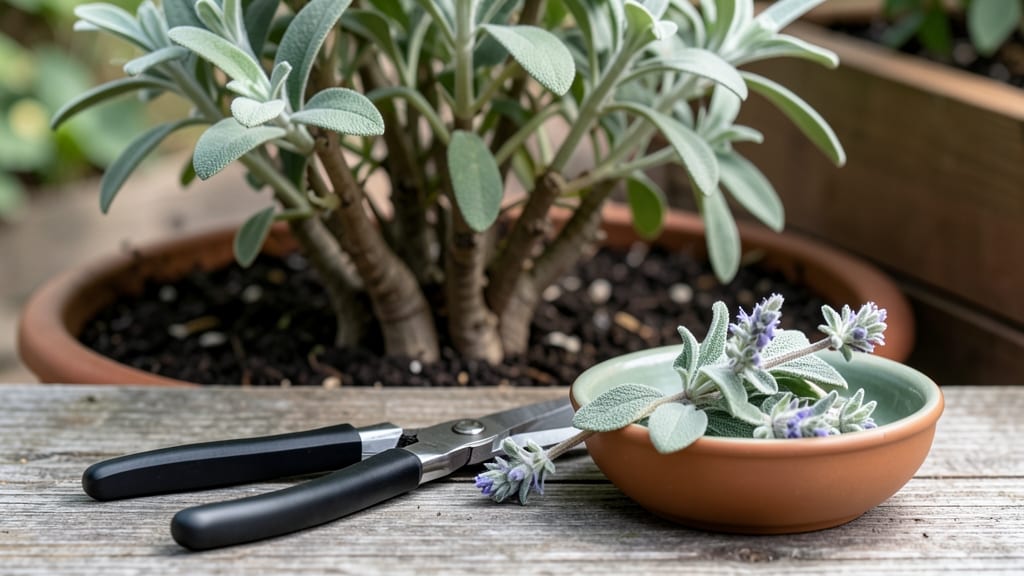
To harvest garden sage at its peak flavor, focus on timing and technique before the plant flowers 🌿 — that's when the leaves pack the most aromatic punch.
Picture this: you're about to roast a chicken for Sunday dinner, and you reach for your dried sage—only to realize it's lost most of its punch. That's the difference between harvesting at the right moment and missing out on bold, earthy flavor in your cooking.
Sage thrives in late spring and summer, but the best time to cut it is before those pretty purple flowers appear. Why? Because once it blooms, the energy shifts from leaves to seeds, and those once-potent leaves turn bitter.
I've made that mistake more times than I'd like to admit.
In this guide, I'll walk you through exactly when to snip your sage, how to do it without harming your plant, and the best ways to preserve that fresh flavor—whether you're drying it for winter or using it straight from the garden.

When to harvest garden sage for maximum flavor and potency
Timing your sage harvest correctly transforms your garden into a flavor factory. The best time to harvest garden sage is when it's fully mature but before flowering, typically between late spring and early summer.
This window—around 60 to 90 days after planting—ensures the highest concentration of aromatic oils that give sage its signature earthy kick.
Spring harvests yield tender, aromatic leaves perfect for fresh use, while summer harvests (if done early) provide robust stems for drying. Missing this window? Don’t worry—sage regrows quickly, but flavor peaks when leaves are dark green, firm, and strongly scented.
The key is acting before the plant puts energy into flower production, which dilutes those precious essential oils.
- 1 Spring Harvest Window: Late May to early June when leaves are 3-4 inches long and dark green. This is ideal for fresh culinary use.
- 2 Summer Harvest Window: Early July to mid-August, focusing on non-flowering stems. Harvest before 10% of buds open to preserve flavor.
- 3 Leaf Maturity Indicators: Leaves should be fully unfurled (not curled), thick and leathery, and release a strong pine-like aroma when crushed.
- 4 Seasonal Flavor Peaks: Morning harvests (after dew dries) maximize volatile oils. Avoid harvesting after hot afternoons, which can reduce potency.
- 5 Post-Harvest Regrowth: Never remove more than 1/3 of the plant at once. Sage regrows from woody stems, so leave 6-8 inches of growth to sustain the plant.
Harvesting garden sage in spring (May-June) gives you the most tender leaves for immediate use in dishes like butter-basted chicken or herb-infused oils. The leaves are smaller but packed with bright, citrusy notes that mellow slightly by summer.
For drying purposes, aim for July harvests when stems are slightly woody—this ensures better structural integrity during the drying process.
Seasonal timing directly impacts flavor potency. Sage harvested in late summer (August) often has a deeper, earthier taste due to increased essential oil production as the plant prepares for dormancy. However, avoid harvesting after early September in most climates, as cooler temperatures reduce oil production.
If you live in USDA Zone 8 or warmer, you can extend harvests into early October.
One common mistake is waiting until sage flowers appear. Once buds form, the plant redirects energy from leaf production to seed development, causing leaves to become bitter and less aromatic. Always check for flower buds (small green or purple clusters) before harvesting.
If you spot even a few, it’s time to act—harvest immediately or wait until next spring for a fresh batch.
For maximum potency, harvest garden sage on dry, sunny mornings. The cool night temperatures enhance aromatic compound development, while morning sunlight ensures leaves are fully hydrated. Avoid harvesting after rain or in humid conditions, as moisture can accelerate leaf spoilage and dilute flavor.
Always use clean, sharp pruners to make clean cuts just above a leaf node (where leaves meet the stem).
Pro tip: Crush a few leaves between your fingers before harvesting. If they release a strong, pine-like scent, you’re ready to harvest.
Weak or musty smells indicate the plant isn’t at peak flavor. Sage regrows quickly, so you can harvest every 4-6 weeks throughout the growing season—just avoid taking more than one-third of the plant at a time to maintain its health and vigor.
In container gardens, harvest garden sage the same way but be mindful of root space. Potted sage may produce smaller yields but still benefits from regular pruning to encourage bushier growth.
If your plant is woody at the base, focus harvesting on the newer, green growth near the top to rejuvenate the plant.
Remember, sage flavor intensifies when dried, so even if you miss the perfect harvest window, drying can salvage some of the aromatic compounds. Hang bundles upside down in a dark, well-ventilated space for 2-3 weeks. The longer you dry it, the more concentrated the flavor becomes—ideal for long-term storage in airtight containers.
Step-by-step guide to harvesting sage without damaging your plant
Harvesting sage correctly keeps your plant thriving while ensuring you get the boldest flavors. The key is using the right tools and techniques to encourage regrowth without stressing the plant.
I’ve learned that sharp pruners and strategic cuts make all the difference—especially for perennial sage that should last for years.
Start by gathering your harvesting tools: clean, sharp pruning shears or scissors (avoid dull blades that crush stems). A small bucket or basket helps collect sprigs without bruising the leaves. Work on a dry morning after dew has evaporated to minimize disease risk.
How to Harvest Sage Without Harming Your Plant
-
Step 1: Identify the Right Stems
Look for healthy stems with 6-8 inches of growth and fully developed leaves. Avoid cutting flower buds—they signal the end of peak flavor. -
Step 2: Cut at a 45-Degree Angle
Use sharp pruning shears to make clean cuts 1/4 inch above a leaf node. This encourages new growth from the base. -
Step 3: Never Take More Than 1/3
Remove no more than 1/3 of the plant at once. Over-harvesting stresses sage and reduces future yields. -
Step 4: Focus on Outer Growth
Prioritize outer stems to improve airflow and prevent fungal issues. Inner stems often grow slower and may become woody. -
Step 5: Water After Harvesting
Give your sage a deep watering within 24 hours to help it recover. This is especially critical in hot, dry climates.
After harvesting, your sage will need time to recover. If you’ve followed the 1/3 rule, new growth should appear within 2-3 weeks. For container-grown sage, fertilize lightly with a balanced herb fertilizer (like 10-10-10) to support regrowth.
Pro tip: If your sage looks woody or leggy, it’s time to give it a hard pruning in early spring. Cut back 1/2 to 2/3 of the plant to encourage bushier, more flavorful growth. Just avoid heavy pruning in late summer, as it may delay winter hardiness.
With proper care, your sage plant can produce harvestable leaves for years. The secret is consistency—harvest regularly, avoid over-cutting, and always use clean tools to prevent disease. Your future meals (and your plant) will thank you!