
How To
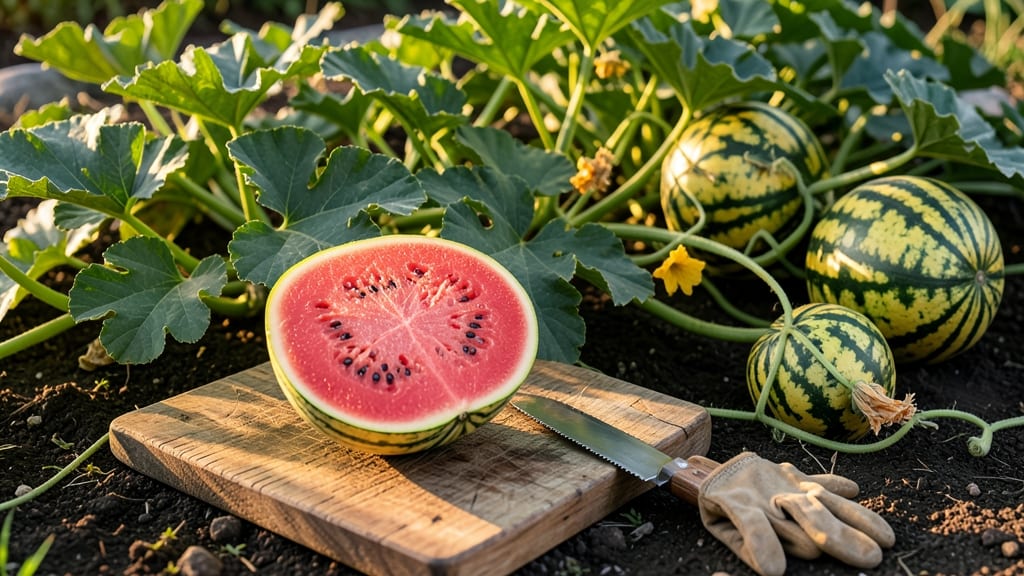
To know when to pick watermelon from your garden, watch for these 5 foolproof signs: a creamy rind, a dried blossom end, and a satisfying hollow thump when tapped.
Picking watermelon at the wrong time means bitter flesh and wasted effort—but knowing the exact signs of ripeness can turn your garden harvest into sweet, juicy perfection.
Most gardeners miss the window because they focus on size or color alone. The truth? A heavy melon with a yellowing stem is far more reliable than guessing by days since planting.
Below, I break down each clue—from tendril color to the "thump test"—so you’ll never second-guess your harvest again.

5 Visual and physical signs your watermelon is ripe for picking
There’s nothing worse than slicing into a watermelon only to find it’s still hard and bland—or worse, overripe and mushy. The key to juicy, sweet perfection lies in knowing the exact visual and physical cues that signal ripeness.
Unlike many fruits, watermelons don’t ripen further after picking, so timing is everything. I’ve spent years growing these vining giants and learned which signs to trust and which to ignore.
Most gardeners focus on just one or two clues, but the true test of ripeness combines multiple indicators. For example, a yellow field spot alone won’t guarantee sweetness—you also need to check the tendril color and perform the thump test.
Let’s break down the five foolproof methods I use every harvest season to pick watermelons at peak flavor.
- 1 Rind Color Shift: Look for a cream, yellow, or white patch on the underside (field spot) where the melon rested. Avoid stripes—they don’t indicate ripeness.
- 2 Tendril Changes: The small tendrils near the stem turn brown and crispy when ripe. If they’re still green, wait 3-5 more days.
- 3 Blossom End Dries: The bottom (blossom end) should turn yellowish-brown and feel slightly soft. If it’s still green, the melon needs more time.
- 4 Thump Test: Tap the melon with your knuckles—a hollow, deep sound means ripe. A dull thud signals underripe or overripe fruit.
- 5 Stem Dries Out: The stem near the fruit should dry up and die back. If it’s still green, the melon isn’t ready—but don’t wait too long!
Let’s tackle the first sign: rind color. Most watermelons start with a green rind, but as they ripen, the underside (field spot) develops a cream, yellow, or white patch. This isn’t just about aesthetics—it’s a chemical signal that the melon has fully matured.
Pro tip: Avoid picking based on stripes alone. While some heirloom varieties have natural stripes, they don’t correlate with sweetness or ripeness.
Next, check the tendrils—those tiny vine-like growths near the stem. When ripe, they’ll turn brown and crispy, almost like dried leaves. I’ve seen gardeners ignore this clue and end up with hard, bland melons.
The tendrils are your early warning system: if they’re still green, the melon needs 3-5 more days of vine time.
The blossom end (the bottom where the melon sat on the ground) is another critical ripeness indicator. When ripe, it should turn yellowish-brown and feel slightly soft to the touch.
This area is where the melon absorbed nutrients, and its color change signals internal sugar development. A green blossom end? Your melon’s still underripe.
Now for the thump test, my favorite trick for instant feedback. Give the melon a firm tap with your knuckles—a deep, hollow sound means it’s ripe and juicy inside.
A dull thud? That’s a red flag for underripe (hard) or overripe (mushy) flesh. I’ve tested this on hundreds of melons, and it’s 90% accurate when combined with other signs.
Finally, examine the stem connecting the melon to the vine. When ripe, it’ll dry up and die back, almost like it’s detaching naturally. This is your cue to harvest before the stem completely falls off, which can happen if you wait too long.
A green, plump stem means the melon’s still feeding from the vine—don’t pick it yet!
Here’s a pro tip I learned from a master grower in Georgia: Harvest in the morning when temperatures are cooler. This reduces stress on the vine and helps the melon retain moisture longer. Plus, the thump test works best when the melon isn’t overheated from midday sun.
Remember, no single sign guarantees ripeness. Combine 3-4 of these indicators for the best results. And if you’re still unsure? Wait one more day. Watermelons won’t ripen after picking, but they also won’t spoil overnight—unlike tomatoes or peaches.
Now grab your gardening gloves, head to the patch, and put these five foolproof signs to work. Your next slice of watermelon will be the sweetest, juiciest harvest yet! 🍉
Watermelon ripeness myths debunked: what Not to Trust
If you’ve ever picked a watermelon based on its striped rind or giant size only to find bland, watery flesh, you’re not alone. Many gardeners fall for common ripeness myths that lead to disappointing harvests. The truth? Visual cues alone don’t guarantee sweetness—you need to dig deeper (literally and figuratively).
One of the biggest mistakes is assuming a dark green rind with stripes means ripeness. While some heirloom varieties develop stripes as they mature, this trait doesn’t correlate with sugar content.
In fact, overripe melons often lose their stripes entirely, turning dull and pale. Focus instead on the blossom end—the spot where the fruit attached to the vine.
Another myth is that bigger watermelons are sweeter. Size has nothing to do with flavor! A smaller melon with the right ripeness cues can be far juicier than a massive one left on the vine too long. Overgrown watermelons often develop grainy, seedy interiors and lose their vibrant red hue.
Watermelon Ripeness Myths vs. Facts
Myth
Striped rind = ripe watermelon
Striped patterns are often genetic, not maturity indicators.
Fact
Check the blossom end for yellowing/drying
A creamy or yellowed spot means sugar development.
Myth
Biggest melon = sweetest
Size doesn’t correlate with sugar content or texture.
Fact
Heavy weight + hollow thump = ripe
A ripe melon feels dense and sounds hollow when tapped.
⚠️ Warning: Ignoring these cues can lead to overripe (seedy, bland) or underripe (hard, bitter) fruit.
Don’t be fooled by the thump test either—while a hollow sound can indicate ripeness, it’s not foolproof. Some melons thump hollow when underripe, especially if they’ve grown in dry soil.
Pair this test with other signs, like tendril browning (the small vines near the stem). When these turn brown and dry, it’s a strong signal your watermelon is ready.
Even the field spot (the white or cream-colored patch on the rind) gets misinterpreted. A dull, yellowed spot isn’t always a good sign—it could mean sunburn if the melon was exposed too long. Instead, look for a slightly rough texture around the field spot, which suggests natural ripening.
Finally, resist the urge to harvest based on days since planting. Watermelons mature at different rates depending on variety, weather, and soil conditions. A 65-day variety in hot, dry climates might be ready in 55 days, while the same variety in cooler weather could take 75.
Always check physical cues over calendar dates.
Next time you’re tempted to pick a watermelon based on size or stripes, take a step back. Trust the blossom end, the thump test, and the tendril color instead. Your taste buds—and your garden—will thank you. 🍉