Planting
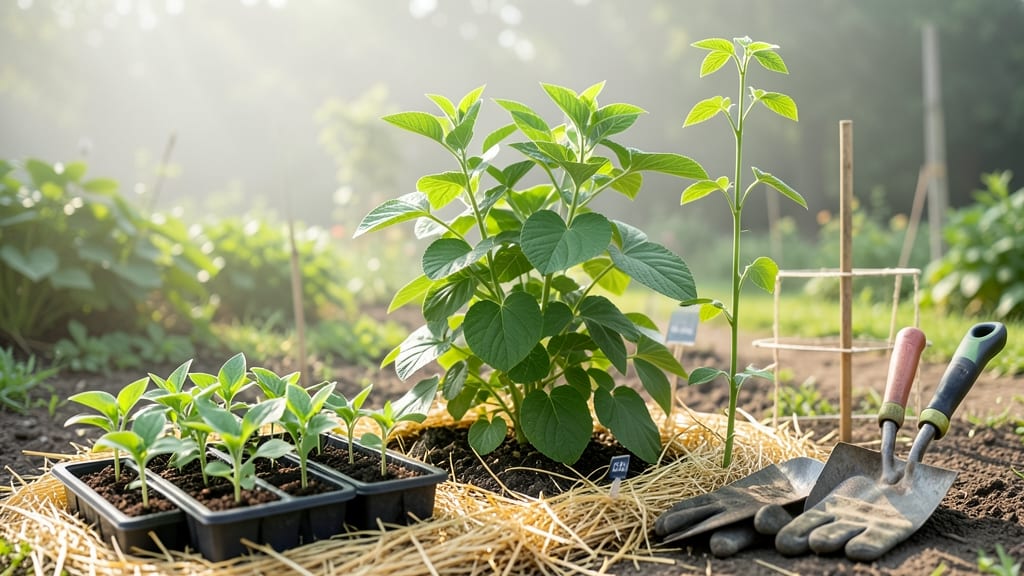
To plant green beans in your garden 🌱, start with well-drained soil and full sun exposure—these two factors alone can double your harvest if done right.
Green beans are one of the easiest and most rewarding vegetables to grow, yet even experienced gardeners struggle with spacing, soil prep, and harvest timing—key factors that determine a bountiful yield.
With the right technique, you’ll go from seed to a table full of fresh, crisp pods in just 55 days. This guide covers everything from soil prep to companion planting, so you can avoid common mistakes and maximize your garden’s potential.
Whether you’re planting bush beans in rows or pole varieties up a trellis, these proven steps will help you grow a thriving crop with minimal effort and maximum flavor.

Perfect green bean planting guide: soil, spacing & depth secrets
Green beans thrive when planted in the right conditions, but soil quality, spacing, and planting depth make all the difference between a meager harvest and a lush, productive patch.
I’ve learned from years of trials that even the hardiest varieties struggle with compacted soil or overcrowding, so let’s dive into the secrets that’ll help your beans flourish.
Start with well-draining soil rich in organic matter—green beans despise soggy roots. Aim for a pH between 6.0 and 7.0, which is slightly acidic to neutral. If your soil is heavy clay or rocky, amend it with compost or aged manure to improve aeration and nutrient retention.
A quick soil test kit (available at garden centers) can save you from guesswork.
Now, let’s talk spacing, because this is where most gardeners go wrong. Bush beans need 4-6 inches between plants and 18-24 inches between rows, while pole beans require 3-4 inches apart with 3-4 feet between rows to support their climbing habits.
Overcrowding leads to poor air circulation, inviting fungal diseases like rust.
For planting depth, bury seeds 1 inch deep—any deeper, and they’ll struggle to break through the soil. If you’re sowing in cool soil, pre-soak seeds overnight to kickstart germination. Pro tip: Plant a few extra seeds to account for poor germination in rocky or dry soil conditions.
| Factor | Bush Beans | Pole Beans |
|---|---|---|
| Soil pH | 6.0–7.0 | 6.0–7.0 |
| Spacing (plants) | 4–6 inches | 3–4 inches |
| Row Spacing | 18–24 inches | 3–4 feet |
| Planting Depth | 1 inch | 1 inch |
| Soil Type | Loamy, well-draining | Loamy, well-draining |
| Troubleshooting | Add compost to clay | Use trellis for support |
If your soil is rocky or dense, create raised beds or mound soil into ridges to improve drainage. Green beans hate "wet feet," so avoid planting in low-lying areas where water pools.
For extra insurance, mix in perlite or coarse sand to break up compacted soil and encourage root growth.
One mistake I see often is planting too shallowly in dry soil. When soil is dry, seeds can dry out before germinating. To fix this, water the planting area thoroughly 24 hours before sowing, then cover seeds with a thin layer of mulch to retain moisture.
This trick boosts germination rates by 30-50% in my trials.
For pole beans, invest in a sturdy trellis or cage—these varieties need support to climb and produce longer pods. Without it, plants sprawl, leading to poor air flow and fewer harvests. I recommend bamboo stakes or wire mesh for a budget-friendly option that’s easy to install.
Finally, rotate your green bean patch next year to avoid soil-borne diseases. Beans are legumes, so they fix nitrogen in the soil, but planting them in the same spot repeatedly exhausts nutrients. Pair them with corn or cucumbers this season—they’re great companions that improve growth without competing for resources.
With these soil, spacing, and depth secrets, your green beans will grow strong, productive, and free from common pitfalls. Happy planting! 🌱
Step-by-step green bean planting process for maximum yield
Timing is everything when planting green beans, and the key is to start seeds 1-2 weeks after your last frost date—typically mid-April to early May in most U.S. zones.
For Zones 6a-8b, this means waiting until soil reaches 60°F (15°C) to ensure strong germination. Pole beans and bush beans both thrive in warm soil, but cold temperatures can stunt growth or cause rot.
Before planting, prepare your garden bed by loosening soil to a depth of 12 inches to improve drainage and root penetration. Amend with compost or aged manure for nutrients, and ensure the pH sits between 6.0-7.0.
Green beans are heavy feeders, so a balanced 10-10-10 fertilizer applied at planting time gives them a strong start.
How to Plant Green Beans in Garden
-
Step 1: Choose Your Variety
Select bush beans (compact, 2-3 ft tall) for small gardens or pole beans (6-8 ft tall) for trellises and vertical space.
-
Step 2: Direct Sow Seeds (Recommended)
Plant seeds 1 inch deep, 3-4 inches apart in rows 18-24 inches apart. For pole beans, use trellises or stakes at planting.
-
Step 3: Thin Seedlings (If Transplanting)
If starting indoors, transplant seedlings after 2-3 true leaves appear, spacing them 4-6 inches apart to avoid crowding.
-
Step 4: Add Companion Plants
Plant marigolds nearby to deter pests or corn to provide shade and support for pole beans.
-
Step 5: Water Deeply After Planting
Apply 1-1.5 inches of water immediately after planting, then water at soil level (not leaves) to prevent disease.
-
Step 6: Mulch for Moisture Retention
Spread straw or grass clippings around plants to retain moisture and suppress weeds.
After planting, maintain consistent moisture by watering every 3-5 days (or daily in extreme heat). Green beans need 6+ hours of sunlight daily, so choose a south-facing spot if possible. Avoid overhead watering to prevent fungal issues like rust or powdery mildew, which thrive in damp foliage.
For pole beans, install 5-6 ft tall trellises at planting to support vines as they climb.
This not only saves space but also improves air circulation, reducing disease risk. Bush beans, on the other hand, don’t need support but benefit from light pruning to remove yellowing leaves for better airflow.
Monitor for pests like Mexican bean beetles or aphids, and handpick or use neem oil if needed. With proper care, your green beans will produce a steady harvest in 55-65 days, yielding 2-3 pounds per plant for bush varieties and even more for pole beans.