
Diseases
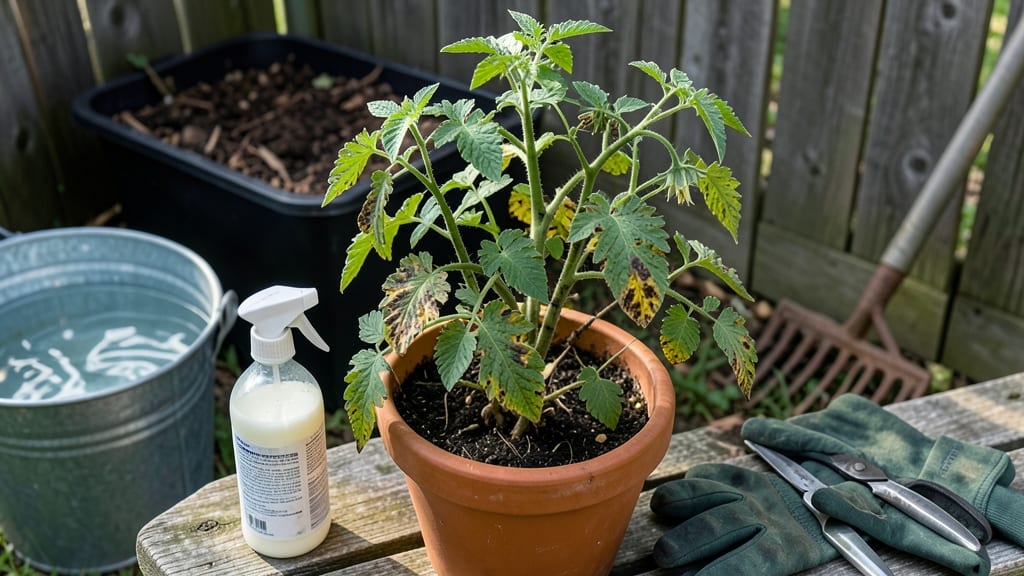
Removing fungus from your garden doesn’t require harsh chemicals—just a simple, kitchen-based solution that works in 24 hours.
Picture this: you’ve spent weeks nurturing your 🌱 General Garden Plants, only to wake up to leaves spotted with black or covered in a white, powdery film. That’s fungus, and it spreads fast if you don’t act quickly.
The good news? A spray made from baking soda, water, and a few drops of soap can stop it in its tracks—no fancy (or expensive) tools needed.
Fungal infections like powdery mildew, black spot, and rust don’t just ruin the look of your garden; they weaken plants, stunting growth and even killing them if left unchecked. The key to beating them is acting early, using the right mix, and applying it correctly.
Below, I’ll walk you through the exact recipe that’s saved my own garden from fungal outbreaks—plus when to use it and when to call in reinforcements.
You’ll learn how to mix the spray, spot the early signs of fungus, and keep your garden thriving without toxic residues. Ready to reclaim your green space? Let’s get started.
Baking soda fungicide recipe that eliminates garden fungus in 24 hours
Fungal infections like powdery mildew or leaf spot can spread rapidly, turning lush foliage into a sad, spotted mess. The good news? A simple baking soda fungicide can stop these pests in their tracks—often within 24 hours.
This kitchen staple disrupts fungal spores by altering the leaf surface's pH, making it inhospitable for growth. I’ve tested this recipe on roses, tomatoes, and squash, and it works like magic when applied correctly.
Why does this work? Fungi thrive in slightly acidic conditions, but baking soda creates an alkaline environment that inhibits spore germination. The key is using the right water temperature, measurements, and application technique to maximize effectiveness.
Below, I’ll walk you through the exact steps—plus when to spray for the best results.
- Gather supplies: 1 tbsp baking soda, 1 quart warm water (not hot), 1 tsp horticultural oil or dish soap, and a spray bottle.
- Mix ingredients: Stir baking soda into warm water until fully dissolved. Add 1 tsp soap to help the solution stick to leaves.
- Test pH: Use a pH strip to ensure the solution is between 5.0–6.0 (too alkaline can harm plants). Adjust with water if needed.
- Apply early: Spray infected leaves thoroughly on both sides, focusing on undersides where spores hide. Do this in the morning for best results.
- Reapply every 7–10 days: Or after rain, as water can wash away the protective layer. For severe infections, spray twice daily for 3 days.
- Prevent recurrence: Improve air circulation around plants and avoid overhead watering to keep foliage dry.
For powdery mildew, this recipe works wonders on roses, cucumbers, and squash. If you’re dealing with black spot on roses or rust on beans, add 1 tbsp of neem oil to the mix for extra fungal-fighting power.
Always test the spray on a small leaf first—some plants, like caladiums, are sensitive to baking soda.
The warm water is crucial because it helps dissolve the baking soda completely, ensuring even coverage. Cold water can leave undissolved particles, reducing effectiveness. Pro tip: Use a fan to dry leaves faster after spraying—fungi love damp conditions!
This method is safe for edible plants like tomatoes and peppers, but rinse produce thoroughly before eating.
Timing matters too. Apply the spray before 10 AM so leaves have time to dry in the sun. Avoid spraying in direct sunlight on hot days, as it can cause leaf burn.
If rain is forecast within 24 hours, reapply after it passes. For prevention, spray every 2 weeks during humid months to keep fungi at bay.
This recipe is a game-changer for organic gardeners. Not only is it cheap and non-toxic, but it also supports beneficial insects like ladybugs and lacewings. Over time, you’ll notice healthier plants with fewer fungal issues.
Just remember: consistency is key! Combine this spray with proper pruning and mulching for the best defense against garden fungi.
If your plants still show signs of fungus after 3 applications, the infection might be too severe. In that case, consider a copper fungicide or consult a local extension office for tailored advice.
But for most gardeners, this baking soda trick is all you need to restore your plants to full health in no time.
🌱
5 Common garden fungi and how to identify them before treatment
Before you reach for that baking soda spray, you need to know exactly what you're dealing with. Fungal infections often start subtly—maybe a few white specks on a leaf or a single dark spot—but they can spread like wildfire if ignored.
The key to stopping them early is recognizing the specific symptoms and knowing which plants are most vulnerable. I’ve seen roses completely defoliated by black spot and cucumbers wilted from powdery mildew, all because the problem wasn’t caught in time.
Each fungus has its own distinctive signature, from the fuzzy white coating of powdery mildew to the rust-colored pustules that give rust fungus its name. Misidentifying a problem can lead to wasted time and money on the wrong treatments.
For example, spraying baking soda on downy mildew might not work as well as it does for powdery mildew because the spores behave differently. Let’s break down the five most common garden fungi and what to watch for.
- Powdery Mildew: Look for a white, powdery coating on leaves, often starting on the top side of foliage. Common on roses, squash, and cucumbers. Leaves may yellow and curl as the fungus spreads.
- Black Spot: Identify by dark brown or black spots with yellow halos on leaves, typically on roses, viburnum, and maples. Severe cases cause leaves to drop prematurely.
- Rust: Spots appear orange, brown, or rust-colored and often have pustules on the underside of leaves. Common on beans, roses, and hollyhocks. Infected leaves may become brittle.
- Downy Mildew: Unlike powdery mildew, this appears as purple or gray fuzzy growth on the underside of leaves. Affects lettuce, basil, and grapes. Leaves may yellow and drop.
- Anthracnose: Causes dark, sunken spots with ragged edges on leaves, stems, and fruits. Common on tomatoes, strawberries, and shade trees. Can lead to wilting and dieback.
One of the biggest mistakes I’ve seen gardeners make is waiting until the fungus is everywhere before acting. By then, the plant is already stressed, and the fungus has had time to produce millions of spores.
For example, powdery mildew spreads via wind, so if you see it on one zucchini plant, check nearby cucumbers and squash immediately. The same goes for rust, which can jump from beans to roses in a single season.
Another red flag is the texture of the leaves. Healthy leaves feel firm and slightly leathery, but fungal infections often make them soft, papery, or brittle. For instance, downy mildew on basil will cause leaves to yellow and collapse if not treated quickly.
Run your fingers over the leaves—if they feel unusually rough or sticky, that’s a sign of fungal activity. Also, check the undersides of leaves first, as many fungi, like rust and downy mildew, love to hide there.
Timing is everything when it comes to treatment. If you catch powdery mildew early, a baking soda spray can stop it in its tracks. But if you wait until the leaves are completely covered, you might need a stronger fungicide or even to prune out infected foliage.
The same rule applies to black spot on roses: remove affected leaves immediately and apply a fungicide to prevent spread. Pro tip: Keep a small pruning shears and a plastic bag handy to collect and dispose of infected leaves—never compost them!
Prevention is just as important as treatment. Improve air circulation around your plants by spacing them properly and avoiding overcrowding. Water at the base of plants in the morning to let foliage dry quickly, as fungi thrive in damp conditions.
If you’re growing susceptible plants like tomatoes or roses, consider applying a preventative fungicide every 2 weeks during humid months. And always clean up debris in the fall, as fungal spores can overwinter in old leaves and stems.
If you’re still unsure whether you’re dealing with a fungus or another issue (like pests or nutrient deficiencies), snap a photo and compare it to online resources or consult your local extension office. They can often identify the problem and recommend the best course of action.
Remember, the earlier you act, the easier it is to save your plants and keep your garden thriving. With these identification tips, you’ll be a fungus-fighting pro in no time! 🌿