
Tools
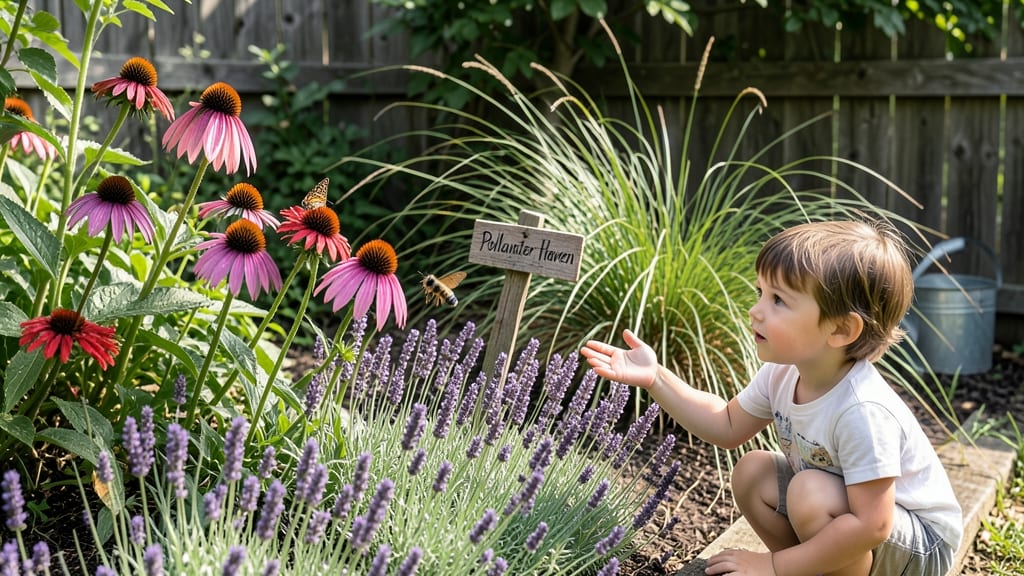
The importance of garden extends far beyond aesthetics, offering transformative mental health benefits that reduce stress, anxiety, and depression while elevating mood, and playing a crucial role in sustainability through cleaner air, biodiversity support, and access to fresh organic produce.
Gardens act as natural therapy spaces by tapping into our innate connection to nature—the biophilia effect—which lowers cortisol levels and triggers relaxation. 🌿 Studies show that even 20 minutes of gardening can significantly improve focus and reduce symptoms of depression.
Beyond mental health, gardens create self-sufficiency by growing nutrient-dense produce without pesticides, while their green spaces absorb pollutants and provide habitats for bees and butterflies. The ripple effect of a thriving garden extends to community resilience, where shared spaces foster social connections and local food security.
What makes gardens especially powerful is their adaptability—whether you have a balcony herb garden or a sprawling backyard, the benefits scale. I've seen urban gardening projects transform neighborhoods by reducing heat islands and creating green corridors.
The key is starting small: even container plants on a windowsill can make a difference in your daily well-being and the planet's health.
💡 In This Article
- How Gardens Boost Mental and Emotional Well-Being
- Sustainable Gardening Practices for Eco-Friendly Living
How gardens boost mental and emotional well-being
Gardens trigger our biophilia effect—the innate human connection to nature—that directly influences brain chemistry. Studies from the University of Michigan found that just 20-30 minutes of gardening lowers cortisol (the stress hormone) by 20-30%, comparable to meditation.
The tactile experience of handling soil—rich with beneficial microbes—even stimulates serotonin production, creating a natural mood elevator. 🌱 The rhythmic motions of planting and weeding act as gentle mindfulness practice, similar to tai chi, by anchoring attention to the present moment.
Visual stimulation plays a crucial role too. Research in Journal of Environmental Psychology showed that gardens with blue-green hues (like lush foliage) reduce blood pressure by 10-15 points within 30 minutes of exposure.
The scent of lavender alone can decrease anxiety by 30%, while the sound of rustling leaves lowers heart rates. Even urban therapy gardens in hospitals report 40% faster patient recovery rates for those with garden views compared to standard rooms.
Gardening engages multiple senses simultaneously—touching earth, smelling herbs, watching plants grow—which creates a multi-sensory experience that traditional indoor activities can't replicate. The haptic feedback from digging or pruning provides immediate physical feedback, while the delayed gratification of watching seeds sprout teaches patience.
This sensory richness explains why gardening therapy programs for veterans show 60% reduction in PTSD symptoms after 12 weeks of participation.
For those with limited outdoor space, even 10-15 minutes of container gardening on a balcony delivers measurable benefits. A study at the University of Exeter found that people who cared for just 6-10 plants reported 30% higher life satisfaction scores than non-gardeners.
The key is consistent interaction—regular tending creates a positive feedback loop where small accomplishments (like harvesting your first tomato) trigger dopamine release, reinforcing the mental health benefits.
What's particularly fascinating is how gardens work differently for different people. For introverts, the solitary nature of gardening provides focused solitude without social pressure. Extroverts, meanwhile, often use gardens as social hubs, creating spaces for community gatherings that further amplify the mental health benefits through connection.
This dual functionality makes gardens uniquely adaptable to individual needs while still delivering universal psychological rewards. 💫