
Advice
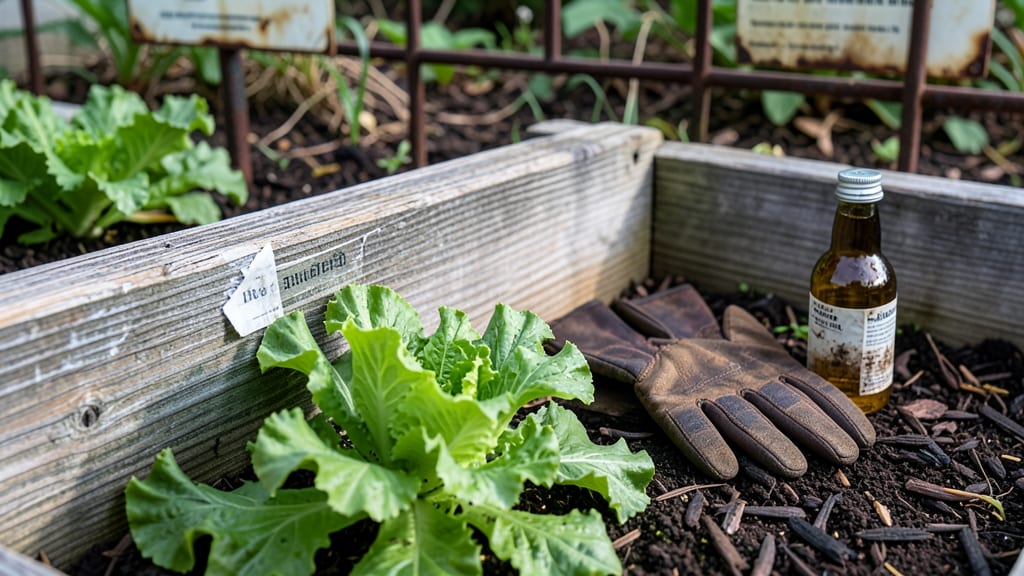
Using treated wood in gardens isn't safe due to toxic preservatives like arsenic, chromium, and copper that leach into soil over time, potentially harming plants and groundwater. For garden projects, choose naturally rot-resistant woods or certified safer alternatives like ACQ-treated lumber when absolutely necessary.
Most treated lumber contains CCA (chromated copper arsenate) or older preservatives that break down over years, releasing harmful chemicals into garden soil. 🌱 These contaminants can stunt plant growth, disrupt beneficial soil microbes, and even seep into groundwater.
The Environmental Protection Agency (EPA) has banned residential use of CCA-treated wood, but some older projects may still contain it. If you're building raised beds or garden structures, opt for untreated cedar, redwood, or hardwoods like black locust, which resist rot naturally without chemical treatments.
For projects requiring longevity, look for ACQ (alkaline copper quat) or MCQ (micronized copper quat) treated lumber, which are considered safer alternatives since they don't contain arsenic. Always check the label for certification and avoid burying treated wood in soil.
If you're working with existing treated wood, consider sealing it with a non-toxic sealant to minimize leaching.
💡 In This Article
- Chemical Risks of Treated Wood in Garden Soil
- Safe Garden Wood Alternatives and Best Practices
Chemical risks of treated wood in garden soil
Most treated wood contains preservatives like chromated copper arsenate (CCA), alkaline copper quat (ACQ), or micronized copper quat (MCQ), where copper and arsenic compounds bond with wood fibers to prevent decay.
The problem starts when moisture triggers chemical leaching - water molecules break these bonds over time, releasing arsenic (As), chromium (Cr), and copper (Cu) into surrounding soil at concentrations that can exceed EPA safety thresholds.
For example, CCA-treated wood can release up to 0.5 mg/kg arsenic annually in ideal leaching conditions, accumulating over decades.
These chemicals don't just sit on the surface - they move through soil via diffusion and water transport. Copper accumulates in root zones, where it can reach toxic levels for plants (typically 20-100 ppm is phytotoxic).
Arsenic interferes with plant nutrient uptake by mimicking phosphorus, while chromium disrupts microbial communities that maintain soil health. The most concerning scenario occurs when treated wood is buried or placed directly in garden beds, creating a direct contamination pathway to edible crops. 🌱
Groundwater contamination becomes a risk when leachate moves through soil layers to aquifers. Copper and arsenic have high mobility in sandy soils (common in many gardens), traveling up to 3 feet annually under typical conditions.
The EPA's maximum contaminant level for arsenic in drinking water is 0.01 mg/L - levels that can be exceeded when treated wood is used extensively in garden construction. Even "safer" ACQ-treated wood contains copper concentrations that can still pose risks when used in soil-contact applications.
What makes this particularly insidious is the delayed effect. Initial soil tests may show normal levels, but concentrations build over years as preservatives continue leaching.
For instance, a 6x6-foot raised bed with CCA-treated wood might show no immediate issues, but after 5-10 years, arsenic levels could reach 5-10 ppm in the root zone - enough to stunt plant growth or cause leaf discoloration.
The visual symptoms often appear before chemical testing confirms the problem, making diagnosis difficult.
Soil microorganisms suffer first - beneficial bacteria and mycorrhizal fungi that help plants absorb nutrients become inhibited by copper concentrations as low as 50 ppm. This microbial die-off creates a vicious cycle: fewer microbes mean poorer soil structure, which increases water runoff and accelerates further leaching of preservatives.
The end result is compromised plant health even when visible damage isn't apparent.
For gardeners using treated wood, the key risk factor is surface area exposure. A 4x8-foot deck with treated wood has 32 square feet of potential leaching surface, while the same wood buried as a 4-foot-tall fence post has only 1 square foot in direct soil contact.
This explains why some garden structures show no immediate issues while others create toxic conditions within seasons. The difference often comes down to how much wood surface area makes direct contact with moist soil or mulch.