
Tools
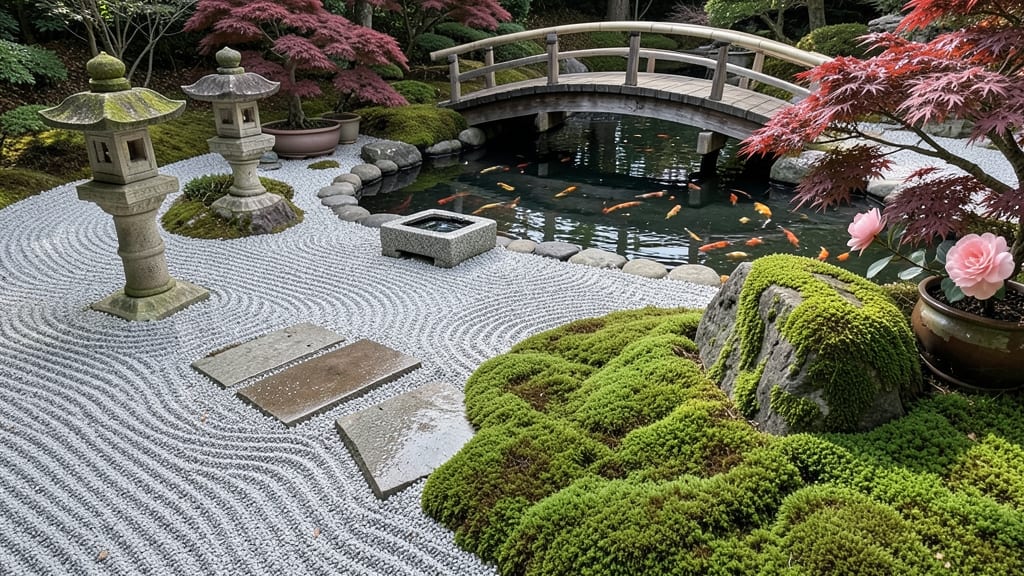
Japanese gardens in Staten Island offer serene escapes like Staten Island Japanese Garden at Snug Harbor Cultural Center, blending traditional koi ponds, meticulous stone paths, and seasonal cherry blossoms for tranquil nature experiences.
Staten Island’s Japanese gardens bring the essence of traditional Zen design to New York’s most overlooked borough. 🌸 The Staten Island Japanese Garden at Snug Harbor Cultural Center, for example, features carefully curated elements like koi ponds and stone lanterns that reflect centuries-old Japanese landscaping principles.
These spaces aren’t just beautiful—they’re designed to encourage mindfulness, with every path and plant serving a purpose in creating harmony with nature.
What makes these gardens special is how they adapt classic Japanese techniques to Staten Island’s climate and local culture. The seasonal displays—from spring cherry blossoms to autumn maples—ensure visitors always find something new to admire.
Whether you're seeking peace or inspiration, these hidden gems deliver a uniquely calming experience right in the city.
💡 In This Article
- Design Principles Behind Staten Island’s Japanese Gardens
- Best Times to Visit Staten Island’s Japanese Gardens
Design principles behind Staten Island’s Japanese gardens
The Staten Island Japanese Garden at Snug Harbor Cultural Center embodies wabi-sabi, a core Japanese aesthetic that celebrates imperfection and transience. This philosophy is visible in every element—from the uneven stone paths to the moss-covered rocks—each designed to evoke a sense of natural impermanence.
The garden’s creators intentionally avoided perfectly manicured surfaces, instead embracing weathered textures and organic shapes that evolve over time. This approach mirrors the Japanese concept of mujō (the fleeting nature of life), where even the garden’s seasonal changes reinforce its deeper meaning.
Water plays a central role in these gardens, symbolizing purity and the flow of life. The koi ponds at Snug Harbor aren’t just decorative—they’re carefully engineered to create shizen ni shizen ("nature in nature"), where the water’s movement mimics natural streams.
The garden’s 1,200-square-foot pond features strategically placed rocks and overhanging plants to create ripples and reflections, while the koi themselves add living energy to the space.
Unlike Western fountains that dominate attention, these ponds blend seamlessly into the landscape, requiring visitors to slow down and observe details like the way light plays on the water’s surface at different times of day.
The seasonal plant selection follows kare-sansui (dry landscape) principles, where each plant serves both aesthetic and symbolic purposes. For example, the 20 cherry blossom trees planted in spring aren’t just for beauty—they represent the mono no aware (the pathos of things), reminding visitors of life’s impermanence as their petals fall.
In autumn, the garden transforms with native maples and Japanese maples whose fiery foliage creates dramatic contrasts against the evergreens. Even in winter, the skeletal branches of pruned trees become art installations, their shapes designed to evoke poetry and contemplation.
One unique adaptation for Staten Island’s climate is the garden’s microclimate zones, which protect delicate plants from harsh winters while maintaining the traditional aesthetic. The use of akadama soil (a Japanese volcanic soil blend) in planting beds helps regulate moisture and temperature, while strategically placed evergreens create windbreaks.
This thoughtful engineering allows species like Japanese black pines and azaleas to thrive year-round, something that would be challenging in the borough’s typically colder winters. The result is a garden that feels authentically Japanese while remaining perfectly suited to its urban New York environment.
The garden’s stone paths aren’t random—they follow kaizen (continuous improvement) principles, with each stepping stone carefully placed to guide visitors through a meditative journey. The 12-foot-wide gravel paths between major sections create visual rhythm, while the 3-inch-high stepping stones force a slower pace, encouraging mindfulness.
This design choice reflects the Japanese belief that walking itself is a form of meditation, where each step becomes an opportunity to connect with nature.
The materials used—granite from Vermont and basalt from New York State—were selected for their durability and natural variations in color, further emphasizing the wabi-sabi philosophy.
What makes Staten Island’s Japanese gardens particularly special is how they incorporate local elements without compromising tradition. The garden features native Staten Island plants like serviceberry trees alongside Japanese species, creating a harmonious blend that feels both familiar and exotic.
This fusion of old-world aesthetics with New York’s natural landscape demonstrates how Japanese garden design can adapt while maintaining its spiritual core.
The result is a space that feels timeless yet uniquely Staten Island—where every visitor can experience the same sense of peace that has inspired gardeners in Kyoto for centuries.