
Vegetables
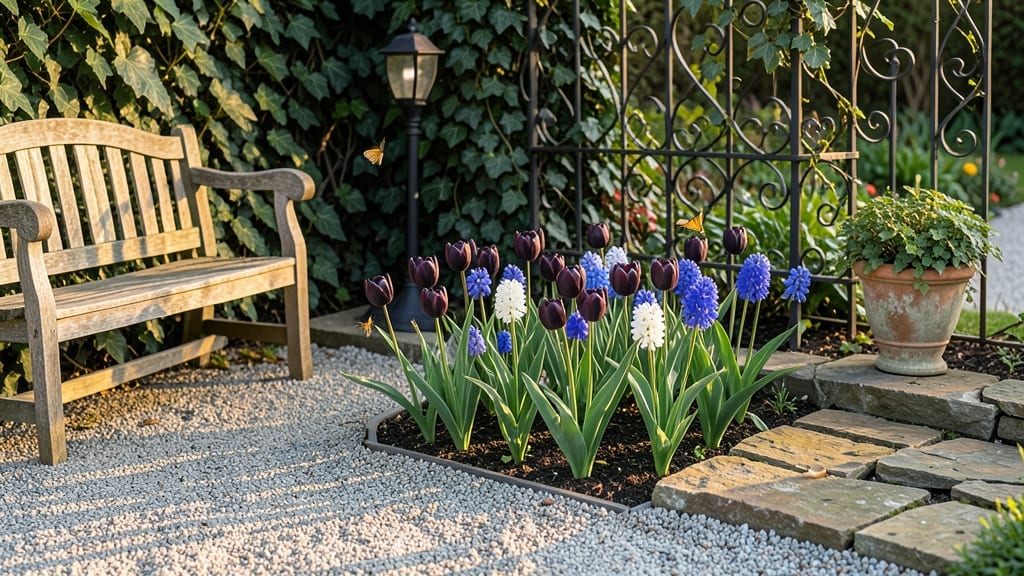
Meerkerk Gardens Washington features stunning rare plant collections, from towering ferns to vibrant orchids, with themed gardens like Japanese and Mediterranean displays. Its lush greenhouses and seasonal floral exhibits attract visitors seeking Pacific Northwest botanical beauty.
This Pacific Northwest gem stands out for its carefully cultivated exotic flora, including carnivorous plants and tropical hybrids that thrive in its climate-controlled greenhouses. 🌿 The gardens' themed sections—like the serene Japanese garden or the sun-drenched Mediterranean courtyard—offer immersive experiences beyond typical botanical displays.
Whether you're a plant enthusiast or casual visitor, the seasonal blooms and rare species make every visit unique.
For the best experience, plan your trip during spring or early summer when most exotic plants are in full bloom. Weekday mornings help avoid crowds, and the gardens' accessible pathways ensure everyone can enjoy the beauty.
Don't miss the photography spots near the greenhouse exhibits—perfect for capturing the vibrant colors and intricate designs.
💡 In This Article
- Exploring Meerkerk’s Rare Plant Collections
- Best Times and Tips for Visiting Meerkerk Gardens
Exploring Meerkerk’s rare plant collections
The gardens' signature collections include carnivorous plants like the Venus flytrap (Dionaea muscipula), which thrives in the greenhouse's 60-75°F humidity-controlled environment.
These plants rely on a specialized diet of insects, and their traps close in just 0.1 seconds when triggered—a fascinating adaptation to their nutrient-poor bog habitats. 🌿 The tropical hybrid orchids, another highlight, are cultivated using propagation techniques that mimic their native epiphytic growth, where roots cling to tree branches rather than soil.
Meerkerk’s climate-adaptation strategies are what make these exotic species flourish in the Pacific Northwest’s cooler, often rainy climate. The greenhouse maintains 65-85% humidity year-round, while outdoor themed gardens use microclimate zones—like the Mediterranean courtyard with its south-facing walls that absorb and radiate heat.
This creates a 10-15°F warmer microclimate than the surrounding area, perfect for sun-loving species like olive trees and lavender. The Japanese garden, meanwhile, uses shade structures and water features to maintain the 60-70°F temperature and 80% humidity required by delicate maples and azaleas.
What sets Meerkerk apart is its curated hybridization program, where horticulturists cross-breed plants to create hardier varieties suited to local conditions. For example, their tropical fern hybrids combine the towering fronds of Dicksonia antarctica (up to 15 feet tall) with the drought tolerance of Nephrolepis exaltata.
This fusion results in plants that can handle the region’s mild winters while still showcasing the lush, architectural beauty of their tropical relatives. 🌱 The result? Visitors see plants that look exotic but grow reliably in the Pacific Northwest.
Behind the scenes, the gardens employ hydroponic systems in the greenhouses to minimize soil-borne diseases—a critical factor for carnivorous plants that require sterile, acidic growing mediums (pH 4.5-5.5). The system recirculates nutrient-rich water every 24-48 hours, reducing waste and ensuring optimal growth.
This precision agriculture isn’t just for show; it’s what allows Meerkerk to cultivate over 500 rare species that wouldn’t survive in typical garden conditions.
For plant lovers, the sensory experience is unmatched. Walk through the greenhouse, and you’ll feel the thick, damp air clinging to your skin, hear the gentle rustle of tropical leaves, and smell the earthy-sweet aroma of orchids in bloom.
The contrast between the cool, misty Japanese garden and the sun-drenched Mediterranean courtyard creates a multi-sensory journey that’s as educational as it is visually stunning. 🌸 Each plant tells a story of adaptation, human ingenuity, and the delicate balance of nature.
Themed gardens like the Japanese section aren’t just decorative—they’re ecological experiments. The koi ponds and stone lanterns aren’t randomly placed; they serve functional purposes like temperature regulation and humidity control.
Meanwhile, the Mediterranean garden’s use of drought-resistant rosemary and thyme demonstrates sustainable landscaping principles that visitors can replicate at home. These thoughtful designs turn a simple walk through the gardens into a masterclass in botany and horticulture.