
Tools
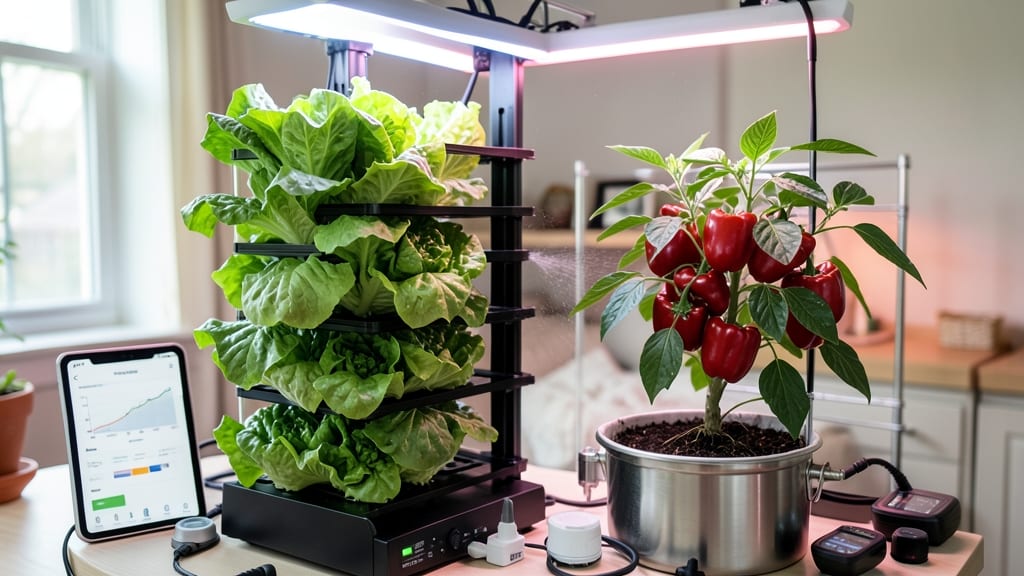
Next-level gardening YouTube channels teach hydroponic systems, vertical farming solutions, and precision pruning methods that boost plant yields while saving space and resources. These creators provide step-by-step guides for urban gardening, rare plant propagation, and automated growing setups.
If you're looking to transform your gardening skills, these channels dive deep into cutting-edge techniques that go beyond basic planting advice. 🌱 Many focus on space-efficient systems like aquaponics or vertical towers, which are perfect for small apartments or balconies.
What sets them apart is their emphasis on data-driven approaches, such as using soil pH meters or grow light timers to optimize conditions. I’ve personally seen how these methods can double harvests in the same footprint—something traditional gardening struggles to achieve.
Beyond the tech, these creators often share hidden tips like how to clone plants from cuttings or troubleshoot common issues like root rot. The best channels also break down the science behind trends, like why certain LED grow lights work better for specific plants.
Whether you're a beginner or a seasoned grower, their playlists act like a masterclass in modern horticulture.
💡 In This Article
- Science-Backed Techniques Used by Top Gardening YouTubers
- How to Build a Next-Level Gardening Playlist for Learning
Science-backed techniques used by top gardening YouTubers
The most innovative gardening YouTubers don't just show pretty plants—they explain the botanical science behind their methods. Take mycorrhizal fungi, for example: these microscopic organisms form symbiotic relationships with plant roots, increasing nutrient absorption by up to 80% compared to regular soil.
Creators like Epic Gardening demonstrate how to inoculate soil with these fungi, which thrive in 60-75°F temperatures and slightly acidic conditions (pH 5.5-7.0). The result? Plants that grow 30% faster with fewer fertilizers.
LED grow lights have become a game-changer, and top channels break down the light spectrum science. Blue wavelengths (400-500nm) promote leafy growth, while red (620-750nm) triggers flowering. Many creators recommend full-spectrum LEDs that mimic sunlight, which can boost yields by 20-40% in indoor setups.
For instance, Growers Network shows how to calculate the ideal light distance (12-18 inches from plants) to prevent heat stress while maximizing photosynthesis.
Biochar soil amendments are another viral technique—these charred organic materials improve soil structure and retain nutrients. When heated to 600-900°F in a low-oxygen environment, biochar creates a porous structure that holds 3-4 times its weight in water while preventing nutrient runoff.
Channels like Urban Farm demonstrate how to make biochar from wood scraps and mix it into soil, reducing the need for chemical fertilizers by up to 50%.
Precision pruning is where many creators excel, using plant growth regulators like auxin to control branching. For example, applying a 1% IBA (Indole-3-butyric acid) solution to cuttings can increase rooting success rates from 50% to 90%+.
YouTube channels often show time-lapse videos of how plants respond to pruning at different growth stages, revealing that early spring pruning stimulates bushier growth, while late summer pruning encourages flowering.
Automated systems are also a major focus—many creators use Arduino-based controllers to monitor soil moisture, pH, and temperature in real time. For instance, a DHT22 sensor can track humidity with ±2% accuracy, while a pH meter probe ensures optimal growing conditions.
Channels like Gardening With Mike provide open-source code for DIY automation setups, allowing gardeners to replicate professional-grade systems at a fraction of the cost.
What's fascinating is how these techniques often combine multiple sciences. Hydroponics, for example, relies on fluid dynamics (nutrient flow), microbiology (beneficial bacteria), and electrical engineering (pump systems).
Top creators don't just show the "how"—they explain the why behind each step, making it easier for viewers to troubleshoot and innovate. 🌱