
Advice
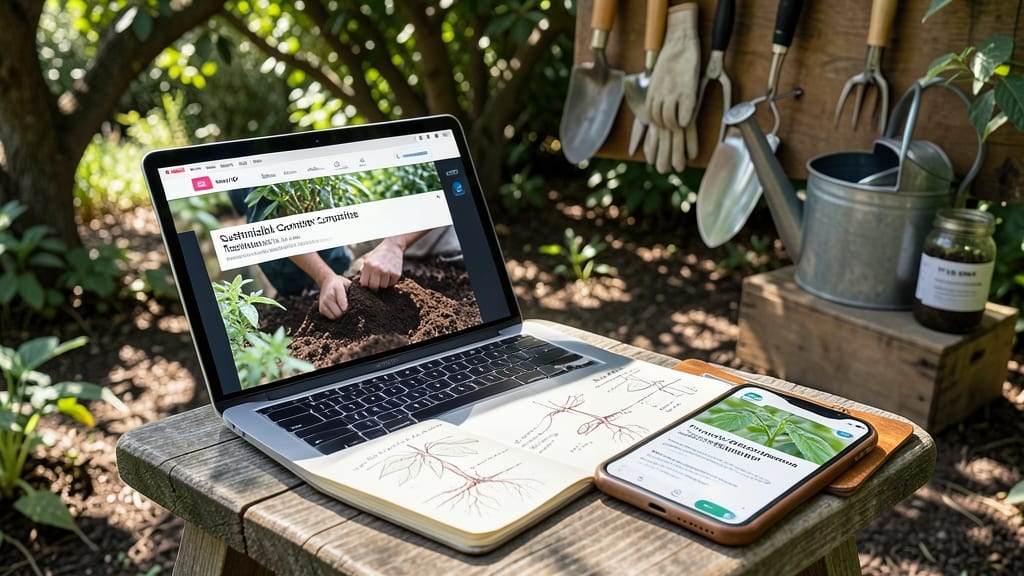
An online Master Gardener program offers accredited horticulture education through virtual learning, hands-on projects, and university-backed mentorship, granting certification from institutions like Texas A&M or Cornell. Participants typically complete 40-60 hours of coursework, pass exams, and fulfill volunteer requirements.
These programs bridge the gap between traditional classroom learning and modern flexibility, making advanced gardening knowledge accessible to busy enthusiasts. 🌱 Many include virtual labs where you can diagnose plant diseases using digital microscopy or join live Q&A sessions with horticulture experts—tools that keep the learning experience rigorous yet convenient.
The certification process remains identical to in-person versions, ensuring you meet the same high standards whether you study from your backyard or living room.
What sets these programs apart is their ability to adapt to individual schedules while maintaining academic rigor through proctored online exams and documented project submissions.
For example, Texas A&M's virtual program lets you complete coursework at your own pace while still requiring hands-on volunteer hours in your local community—proving you can apply what you've learned in real-world settings.
💡 In This Article
- How Online Master Gardener Programs Compare to In-Person Training
- Step-by-Step Guide to Enrolling in a Certified Online Gardening Program
How online master gardener programs compare to in-person training
The core curriculum of an online Master Gardener program mirrors traditional university-based training but delivers it through digital platforms like Canvas or Blackboard, replacing physical classrooms with interactive modules.
These programs cover essential topics such as plant pathology, entomology, and sustainable gardening—just like in-person versions—but present them through video lectures, downloadable guides, and multimedia case studies.
For example, a virtual lab might task you with identifying pests using high-resolution images instead of handling real specimens, achieving the same learning outcomes with modern technology.
One of the biggest advantages of online programs is their flexibility.
Traditional courses often require fixed schedules, but virtual learning lets you pause lectures, revisit complex topics, and complete assignments at 2 AM or during a lunch break. 🌱 Many programs also offer asynchronous discussions, allowing you to engage with peers and instructors without real-time constraints.
The technology tools used—like virtual reality plant tours or AI-powered soil analysis simulators—make concepts like nutrient cycling or pruning techniques more accessible than ever before.
Academic rigor remains intact through proctored exams delivered via secure online platforms, ensuring no shortcuts are taken. For instance, Texas A&M’s program requires students to submit photos of their volunteer projects alongside written reflections, proving hands-on application of knowledge.
These digital submissions are reviewed by the same faculty who evaluate in-person work, maintaining consistency in standards. The only compromise? Some programs still require local volunteer hours to fulfill certification, meaning you’ll need to connect with nearby gardens or Extension offices.
Costs often differ too. Online programs typically eliminate travel and housing expenses, with tuition ranging from $200-$500 compared to $500-$1,200 for in-person versions. However, you’ll still pay for digital materials like e-books or software licenses. The trade-off?
You save time and money while gaining skills that translate directly to your backyard or community garden. For example, Cornell’s online program includes access to their plant disease database—a $1,500 value normally reserved for on-campus students.
Technology also levels the playing field for learners in remote areas. A gardener in Montana can access the same curriculum as someone in California, with virtual labs providing equal opportunities to practice techniques like grafting or composting.
The programs even adapt to different learning styles—visual learners benefit from animated diagrams, while kinesthetic learners can follow step-by-step video demonstrations of pruning techniques. This customization ensures everyone, regardless of location or background, can master the material.
One nuance to consider: online programs may lack the spontaneous networking of in-person classes. While virtual discussion boards foster connections, the serendipitous plant-swapping or tool-sharing that happens at workshops might be missing.
To bridge this gap, many programs host optional live webinars or regional meetups where you can meet fellow students face-to-face. For example, Cornell’s online cohort often organizes virtual “garden tours” where participants share their progress via video calls.
Ultimately, the choice depends on your priorities. If you need flexibility and cost savings, online programs deliver the same certification with modern conveniences. But if you thrive in hands-on environments, hybrid options—like some Extension Services offering both online coursework and occasional in-person labs—might be the best of both worlds.
Either way, you’ll graduate with the same expertise and credibility as traditional students. 🌿