
Advice
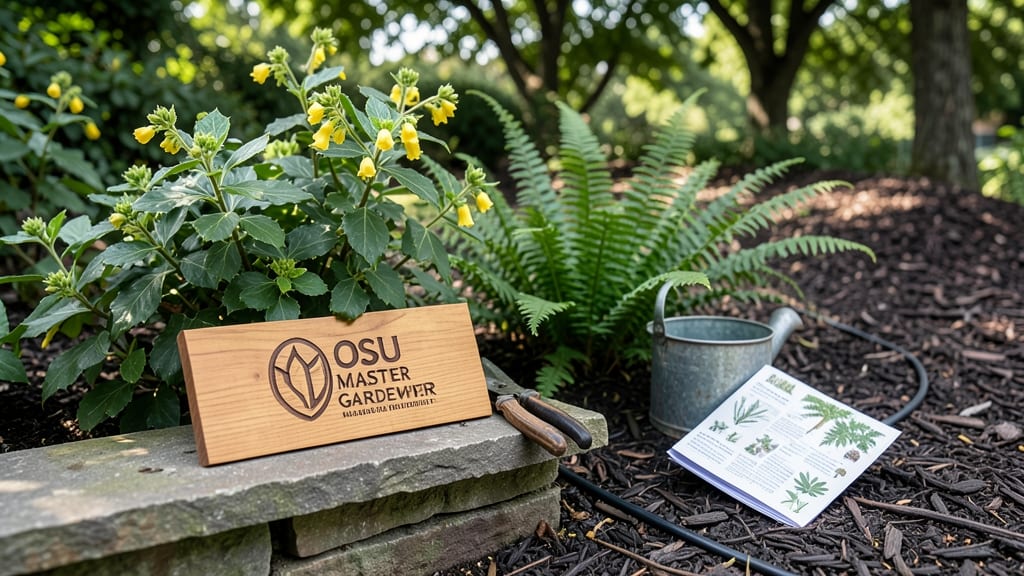
The Oregon State University Master Gardener program trains volunteers to deliver science-based horticulture education, support local communities, and enhance sustainable gardening practices through hands-on outreach and research-backed advice.
The Oregon State University Master Gardener program transforms passionate gardeners into certified educators who bridge research and real-world gardening challenges. 🌱 Volunteers complete rigorous training covering plant pathology, soil science, and sustainable practices—all grounded in OSU's horticultural research.
This isn't just about growing plants; it's about empowering communities to make data-driven decisions for healthier gardens and ecosystems.
What sets this program apart is its direct connection to OSU's Extension Service, ensuring volunteers stay current with the latest gardening science while addressing local needs.
Whether it's diagnosing plant diseases or teaching youth about pollinators, Master Gardeners create tangible change through their work—making it one of the most impactful volunteer programs in horticulture today.
💡 In This Article
- How OSU Master Gardeners Apply Research-Based Horticulture
- Volunteer Opportunities and Community Impact by OSU Master Gardeners
How OSU Master gardeners apply research-based horticulture
At the heart of the Oregon State University Master Gardener program lies a 70-hour training curriculum developed by OSU Extension specialists. This isn't just theoretical knowledge—volunteers dive into hands-on labs analyzing soil samples under microscopes to identify microbial life, or dissecting plant stems to study vascular systems.
The program emphasizes integrated pest management (IPM), teaching volunteers how to identify pests using OSU's digital pest ID guides and calculate economic thresholds for treatment decisions. 🌿 For example, when dealing with aphids, they learn to distinguish between harmful species and beneficial predators like ladybugs before recommending any intervention.
The curriculum draws directly from OSU's ongoing research, including projects like the Pacific Northwest Plant Disease Management Handbook and studies on native pollinator habitats.
Volunteers receive updates on emerging threats—like the spread of sudden oak death fungus—or new sustainable practices, such as biochar soil amendments that improve water retention by up to 30%. What makes this particularly powerful is how volunteers apply these research findings to real community cases.
For instance, when a Portland homeowner calls the Master Gardener hotline about yellowing leaves, the volunteer might recommend testing for micronutrient deficiencies using OSU-developed soil kits rather than defaulting to chemical fertilizers.
This research-backed approach extends to plant selection advice. OSU Master Gardeners teach communities about climate-appropriate gardening, helping homeowners choose drought-tolerant varieties like Ceanothus or Penstemon that thrive in Oregon's Zone 7-9 conditions while reducing irrigation needs by 40-50%.
They also educate about soil food webs, explaining how mycorrhizal fungi improve nutrient uptake—knowledge that transforms backyard gardens into miniature ecosystems. The program's emphasis on evidence-based solutions means volunteers never recommend practices without citing OSU research or peer-reviewed studies.
What most people don't realize is how this research gets translated into actionable community projects. For example, when OSU's Horticulture Crops Program developed new varieties of honeyberry bushes resistant to powdery mildew, Master Gardeners worked with local farms to establish demonstration plots.
These plots now serve as living classrooms where volunteers teach farmers about pruning techniques that maximize yields while maintaining plant health—a direct application of OSU's agronomic research. 🌱 The program's strength lies in this seamless connection between university labs and community gardens.
The training also covers advanced diagnostics using OSU's Plant Clinic resources, where volunteers learn to use PCR testing for viral diseases or DNA barcoding to identify invasive species. This scientific foundation allows them to provide accurate diagnoses during the 12,000+ calls their hotlines receive annually.
For instance, when a gardener brings in a suspicious leaf sample, volunteers follow OSU's disease triangle model (host susceptibility + pathogen presence + favorable environment) to determine the most effective organic treatment—often saving homeowners money while protecting pollinators.
Beyond diagnostics, volunteers apply research in practical ways like compost tea brewing, using OSU's formulas that contain beneficial microbes proven to suppress Phytophthora root rot by 60%.
They also teach square foot gardening layouts optimized for Oregon's short growing seasons, incorporating OSU's spacing recommendations that maximize yield per square foot.
The program's impact becomes visible when you see a community garden where volunteers have implemented OSU's no-till gardening techniques, resulting in 25% more biodiversity in just one season.