
Tools
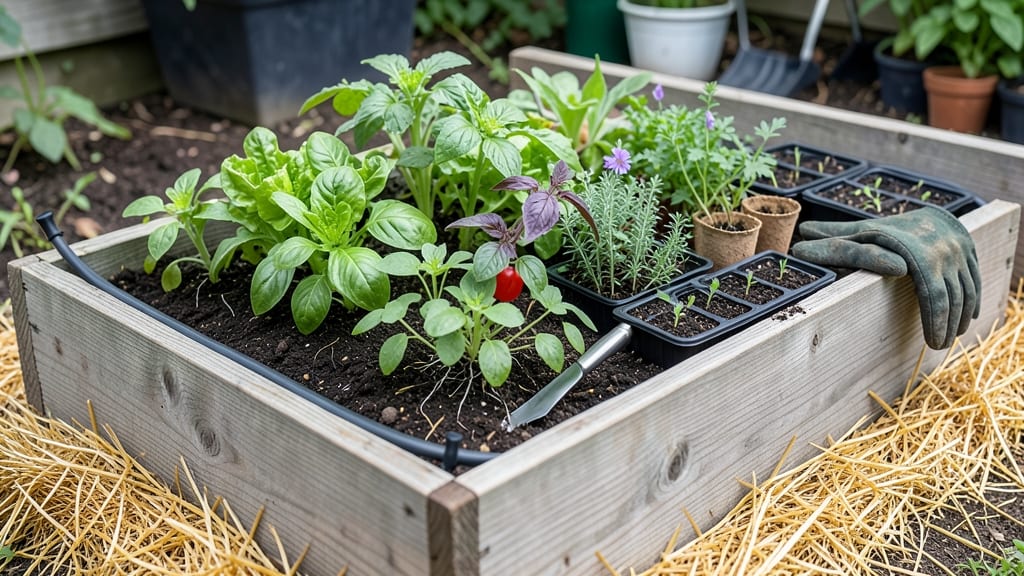
Outdoor raised garden bed ideas can turn even the smallest yard into a lush, productive space without breaking the bank or the rules of good design.
Picture this: a backyard so cramped that a traditional in-ground garden is out of the question, yet you still crave fresh herbs, vibrant flowers, and maybe even a few tomatoes.
That’s where raised beds shine—they’re the game-changer for urban gardeners, offering control over soil quality, drainage, and layout while saving your back from bending over rows.
From sleek modern metal frames to rustic cedar boxes and even vertical wall planters, the possibilities are endless. Whether you’re working with a 6-foot-wide strip between your house and sidewalk or a cozy corner, these designs maximize every inch.
I’ll walk you through the best materials, space-saving layouts, and plant pairings to make your small yard feel like a green oasis.
Ready to ditch the excuses and start growing? By the end of this guide, you’ll have a custom plan that fits your space, your style, and your harvest goals—no matter how limited the square footage.
10 Space-saving raised garden bed layouts for small yards
When space is limited, raised garden beds become your best ally. These creative designs transform even the smallest yard into a productive oasis. The key is thinking vertically and strategically using corners, walls, and tiered structures to maximize growing area without expanding your footprint.
I’ve designed these layouts to fit urban balconies, suburban patios, and tight backyard corners. Each option prioritizes efficient plant spacing, easy access, and visual appeal. Whether you’re growing vegetables, herbs, or flowers, these beds make the most of every square inch.
Here’s how to choose the right layout for your space:
First, measure your available area and note sunlight patterns. Most compact varieties thrive in 4-6 hours of sun, but some, like leafy greens, tolerate partial shade. Next, consider your garden goals—whether it’s fresh herbs for cooking, a colorful flower border, or a bountiful veggie harvest.
Now, let’s explore the layouts. Each design includes material recommendations, plant pairing suggestions, and space-saving tips to help you get started.
| Layout Name | Best For | Space Used | Key Features | Plant Ideas |
|---|---|---|---|---|
| Corner Pocket Bed | Tight corners | 2' x 2' footprint | Triangular shape, 3-sided access | Radishes, lettuce, thyme |
| Vertical Wall Planter | Fences/walls | 1' deep, 3' tall | Pockets for herbs, modular | Basil, strawberries, marigolds |
| Tiered Stacked Beds | Balconies/patios | 1' x 3' base | 3 levels, 12" apart | Cherry tomatoes, peppers, nasturtiums |
| Spiral Herb Garden | Centerpiece beds | 3' diameter | Raised spiral path | Parsley, cilantro, chives |
| Window Box Beds | Windowsills | 1' x 6' length | Deep pockets, drip irrigation | Green onions, microgreens |
| Hanging Basket Beds | Porches/deck rails | 18" diameter | Self-watering, 12" depth | Lettuce, radishes, chives |
| Modular Grid System | Flexible layouts | 2' x 2' units | Interlocking cedar blocks | Bush beans, carrots, flowers |
| Trellis Tower Bed | Vining plants | 2' x 2' base | Built-in trellis, 5' tall | Cucumbers, peas, morning glories |
| Arcade Planter | Curved spaces | 4' arc length | Semi-circular shape | Zinnias, nasturtiums, basil |
| Pallet Garden Bed | Budget solutions | 4' x 2' footprint | Upcycled wood pallets | Kale, Swiss chard, herbs |
For urban balconies, the tiered stacked beds or vertical wall planters
How to choose the right materials for durable raised beds
When building raised garden beds, the materials you choose can make or break your garden’s longevity and performance. Not all woods hold up equally against moisture, pests, and weather, so selecting the right one is key to avoiding costly replacements down the road.
I’ve tested cedar, redwood, composite lumber, and recycled materials—here’s what I’ve learned about their durability, cost, and maintenance needs.
Your first consideration should be rot resistance. Cedar and redwood naturally resist decay, making them ideal for beds that stay damp. Composite lumber, while synthetic, mimics wood’s appearance and offers zero maintenance but at a higher upfront cost.
Recycled materials like pallet wood or cinder blocks can be budget-friendly but often require extra sealing or treatment.
Budget is another critical factor. Cedar and redwood are pricier upfront but last 10-15 years with minimal upkeep. Composite lumber costs more initially but saves money long-term by eliminating staining or sealing. Recycled materials are the most affordable but may need annual inspections for structural integrity.
Material Comparison for Raised Beds
- ✅ Naturally rot-resistant
- ✅ Aromatic (deters pests)
- ✅ Lasts 10-15 years
- ✅ Highly durable
- ✅ Resists warping
- ✅ Lasts 12-20 years
- ✅ No maintenance
- ✅ Pest-proof
- ✅ Lasts 20+ years
- ✅ Budget-friendly
- ✅ Eco-friendly
- ✅ Requires sealing
- Cedar/Redwood: Higher initial cost
- Composite: Expensive upfront
- Recycled: May contain chemicals
For extra protection, always apply a non-toxic wood sealant like linseed oil or beeswax to cedar or redwood beds. This adds an extra layer of defense against moisture and UV rays. If using recycled wood, opt for pressure-treated lumber rated for ground contact—just avoid arsenic-treated options for food gardens.
Don’t overlook the importance of bed depth and drainage. Aim for at least 12 inches of soil depth to accommodate root systems and add landscape fabric at the bottom to prevent soil loss. For composite or metal beds, ensure they have ventilation holes to avoid overheating roots in summer.
My top recommendation? If budget allows, cedar or composite lumber offers the best balance of durability and low maintenance. For eco-conscious gardeners, recycled cedar or reclaimed bricks provide a sustainable alternative without sacrificing quality. Whichever you choose, prioritize proper sealing and drainage to extend your bed’s lifespan.