
Tools
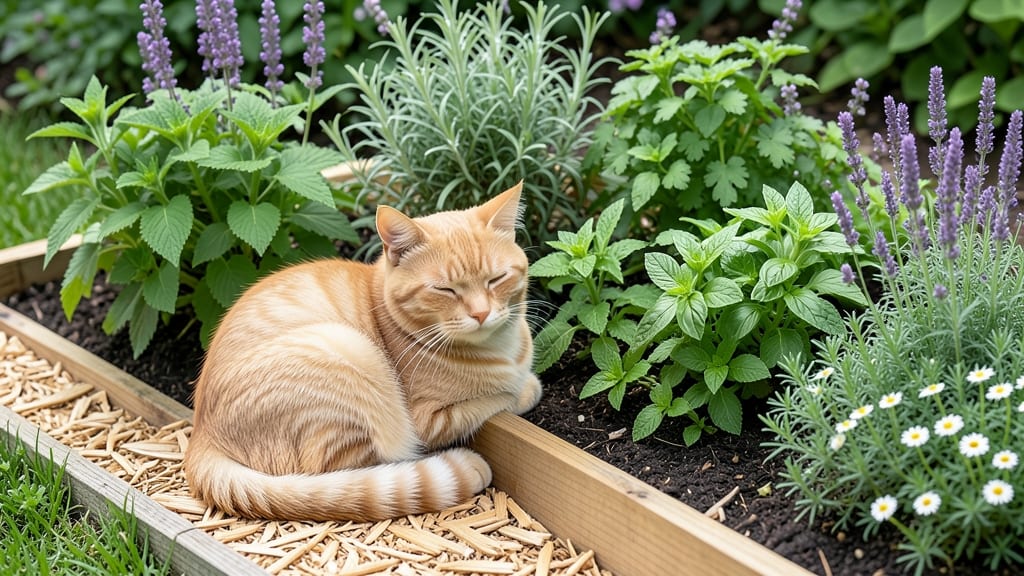
To keep pets safe in your garden, eliminate toxic plants like lilies, azaleas, or sago palms, secure compost piles, and avoid chemical pesticides. Always supervise pets near water features and block access to wildlife or sharp tools.
Creating a pet-friendly garden starts with awareness of hidden dangers.
Many common plants, like foxglove or oleander, can cause severe reactions in pets—think vomiting, drooling, or even organ damage. 🐾 Instead of removing your entire garden, swap out toxic varieties for safe alternatives like sunflowers or marigolds, which are non-toxic and add vibrant color.
Even compost piles and standing water can pose risks, so securing these areas is just as important as choosing the right plants.
Beyond plants, focus on natural pest control methods like companion planting (e.g., basil with tomatoes) to reduce the need for chemicals. Fencing isn’t just for keeping pets in—it also blocks access to harmful wildlife or gardening tools.
With a few thoughtful adjustments, your garden can be a safe, enjoyable space for both you and your furry friends.
💡 In This Article
- Toxic Plants and Garden Hazards for Pets
- Pet-Friendly Garden Design Tips
Toxic plants and garden hazards for pets
Many ornamental plants contain compounds that can cause serious health issues in pets, from mild stomach upset to life-threatening organ failure. For example, lilies—common in gardens and bouquets—contain toxic glycosides that trigger acute kidney failure in cats, often within 24-48 hours of ingestion.
Even small amounts of lily pollen can be dangerous when licked off a pet’s fur. 🐱 Another culprit is foxglove, whose cardiac glycosides disrupt heart rhythms, leading to symptoms like irregular heartbeat, drooling, and weakness. The plant’s bell-shaped flowers might look harmless, but all parts are toxic.
Oleander, a popular shrub with glossy leaves and fragrant flowers, contains cardiac glycosides similar to foxglove but in even higher concentrations. Ingestion can cause vomiting, diarrhea, and—if untreated—severe cardiac arrest. The plant’s milky sap is particularly irritating to skin and mucous membranes, causing redness and swelling.
Meanwhile, sago palms, often used as landscape plants, release cyanide and toxic alkaloids when chewed, leading to liver failure in dogs. Symptoms like lethargy, vomiting, and yellowing gums (jaundice) may not appear for 1-3 days after exposure, making early detection critical.
Recognizing symptoms of plant poisoning is key to acting fast. Pets exposed to toxic plants often exhibit excessive drooling, vomiting, or diarrhea, sometimes with blood. Others may show neurological signs like tremors, seizures, or confusion.
Skin irritation from plants like oleander or poison ivy appears as red, itchy rashes or blisters.
If you suspect poisoning, contact your vet or a pet poison hotline immediately—delaying treatment can be fatal. 🚨 Keep emergency numbers saved in your phone, as some toxins (like those in azaleas or rhododendrons) can cause coma within hours.
Even common garden additives pose risks. Compost piles, while eco-friendly, can harbor mold spores and harmful bacteria like E. coli, which may cause digestive upset in pets. Standing water in birdbaths or ponds isn’t just a drowning hazard—it can also breed mosquitoes carrying heartworm, a deadly parasite for dogs.
Always supervise pets near water features, and consider adding a ramp or shallow entry point to prevent accidents. Sharp tools, like garden shears or stakes, left lying around can cause cuts or punctures, so store them securely in a locked shed or toolbox.
Some hazards aren’t plants at all. Fungicides, herbicides, and even organic pesticides (like neem oil) can irritate pets’ skin, eyes, or respiratory systems. Inhaling powdered pesticides or walking on treated lawns can lead to chemical burns or poisoning.
Always check product labels for pet safety warnings, and opt for pet-friendly alternatives like diatomaceous earth or insect-repelling plants (e.g., lavender or rosemary). These not only deter pests but also add to your garden’s safety and fragrance.
Here’s what to do if your pet ingests something toxic: Do not induce vomiting unless instructed by a vet, as some substances (like caustic chemicals) can cause more damage on the way back up.
Instead, rinse the mouth with water if safe, then call your vet or the ASPCA Animal Poison Control Center (888-426-4435) for guidance. Keeping a list of toxic plants in your garden—and their symptoms—can save precious time in an emergency.