
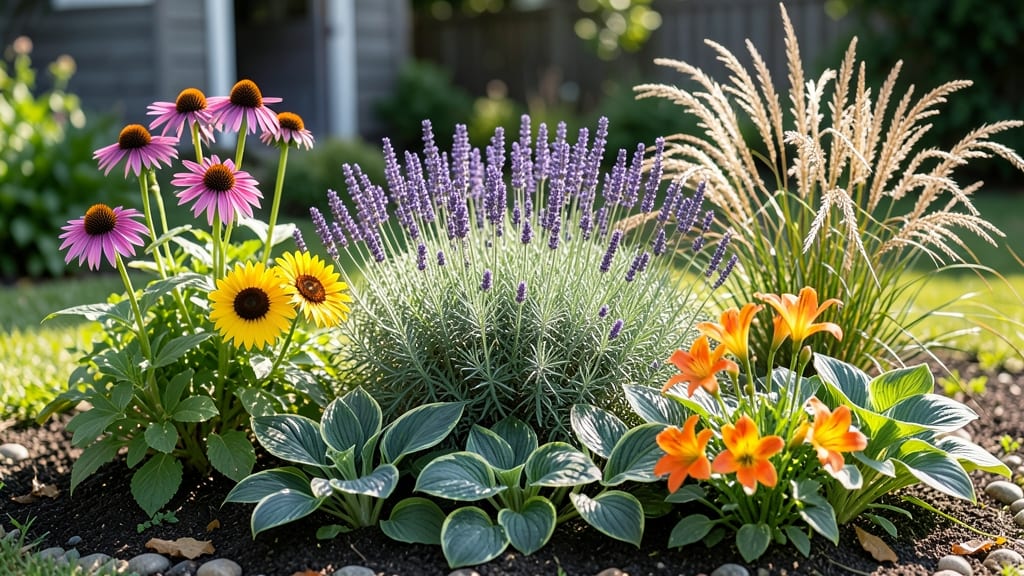
Popular Garden Plants: Year-Round Beauty with Low-Maintenance Picks

Companion Plants

Popular Garden Plants: Year-Round Beauty with Low-Maintenance Picks

Choosing the right popular garden plants can turn your backyard into a thriving, low-maintenance paradise without the fuss.

Picture this: a garden that blooms effortlessly, attracts pollinators, and stays vibrant all year—without spending hours on upkeep. That’s the magic of the most sought-after plants, from sun-loving lavender to shade-friendly hostas. These versatile picks work for containers, borders, or full landscapes, and they’re tough enough to handle your schedule.

Whether you’re drawn to fragrant herbs, bold perennials, or edible flowers, the key is matching plants to your space and sunlight. I’ll walk you through the top 10 low-maintenance stars, their best uses, and how to combine them for a garden that feels like a postcard—with minimal effort.

Ready to skip the guesswork? Here’s how to pick plants that thrive on their own, so you can enjoy the beauty instead of the work.

Top 10 low-maintenance popular garden plants for every climate

Creating a stunning garden doesn’t have to mean spending hours weeding or watering. The key is choosing low-maintenance plants that thrive with minimal effort. Whether you have full sun or shady spots, these popular garden plants deliver year-round beauty while keeping your workload light.

From drought-resistant succulents to hardy perennials, I’ve handpicked plants that even busy gardeners will love.

These plants are climate-adaptable, meaning they perform well in various USDA zones. Many are pollinator-friendly, attracting bees and butterflies while adding color and texture. The best part?

Most require weekly watering at most and thrive with basic soil conditions. Let’s dive into my top 10 picks that combine ease of care with maximum visual impact.

🌱 Quick Sprout Tip: Always check your local USDA hardiness zone before planting to ensure success. Most of these plants adapt well, but a few have specific preferences.

Plant Name Type Sun Needs Water Needs Mature Size Climate Zones
Lavender Perennial Full Sun Low 1-3 ft tall 3-9
Succulents (Echeveria) Perennial Full Sun Very Low 6-12 in tall 5-11
Hostas Perennial Partial Shade Moderate 1-3 ft tall 3-8
Black-Eyed Susan Perennial Full Sun Low-Moderate 2-3 ft tall 3-9
Russian Sage Perennial Full Sun Low 3-5 ft tall 4-9
Ornamental Grasses Perennial Full Sun-Partial Shade Low 1-6 ft tall 5-10
Daylilies Perennial Full Sun-Partial Shade Moderate 1-3 ft tall 3-9
Coneflowers Perennial Full Sun Low-Moderate 2-5 ft tall 3-9
Hydrangeas Shrub Partial Shade Moderate 3-6 ft tall

How to choose popular garden plants based on your garden’s needs

Selecting the right popular garden plants starts with understanding your garden’s unique conditions. Every space has different sunlight exposure, soil composition, and seasonal challenges—and matching plants to these factors ensures a thriving, low-maintenance landscape.

For example, sun-loving succulents like sedum or lavender will wilt in shade, while shade-tolerant ferns or hostas will struggle in full sun. Start by assessing your garden’s microclimates—some areas may get more sun or stay wetter than others.

Next, consider the seasonal blooms you want to highlight. If you crave year-round color, mix perennials like coneflowers (summer) with heather (winter) and spring bulbs like daffodils. For a textural contrast, pair spiky ornamental grasses with soft-leaved lamb’s ear or ruffled astilbe.

The key is balancing heights, shapes, and colors to create visual interest without overwhelming the space.

🌱 5 Key Steps to Choose the Perfect Plants

  1. 1
  2. Assess sunlight: Use a sunlight map to track which areas get full sun (6+ hours), partial shade (3-6 hours), or full shade (<3 hours). This determines whether you can grow sunflowers, roses, or impatiens.
  1. 2
  2. Test soil health: A simple soil test kit reveals pH levels and nutrient needs. Acid-loving plants like azaleas or blueberries need pH 4.5-5.5, while vegetables prefer 6.0-7.0. Amend soil with compost or lime as needed.
  1. 3
  2. Plan for seasons: Layer spring bulbs, summer annuals, and fall mums to ensure continuous blooms. For example, tulips (spring) + petunias (summer) + chrysanthemums (fall) create a non-stop color show.
  1. 4
  2. Mix textures: Combine smooth leaves (like hostas), spiky foliage (like yarrow), and flowers with varying shapes (like round hydrangeas or spiky snapdragons) for depth and movement.
  1. 5
  2. Prioritize pollinators: Include bee-friendly plants like lavender, bee balm, or sunflowers to support local ecosystems while adding vibrant colors and fragrance to your garden.

Don’t overlook the mature size of plants when designing your garden. A 6-foot hydrangea planted too close to a 3-foot window will block views and create maintenance headaches. Use dwarf varieties (like miniature roses) near walkways and save tall perennials (like hollyhocks) for the back of borders.

Pro tip: sketch a simple layout on paper first to visualize how plants will interact as they grow.

For container gardening, choose compact plants like basil, petunias, or dwarf boxwoods. These thrive in pots and can be moved to optimize sunlight exposure throughout the day.

If you’re using raised beds, opt for deeper-rooted plants like tomatoes or rosemary alongside shallow-rooted herbs like thyme or oregano.

Finally, consider your maintenance tolerance. Native plants like black-eyed Susans or purple coneflowers require little watering and fewer fertilizers once established, while tropical plants like hibiscus or bird of paradise need consistent moisture and warmer climates. Start with 3-5 plants you love, then expand as you gain confidence.

With these guidelines, your garden will become a cohesive, high-impact space that feels intentional and effortless. Happy planting! 🌿

★★★★★5.0(14 reviews)
Categories Companion Plants