
Tools
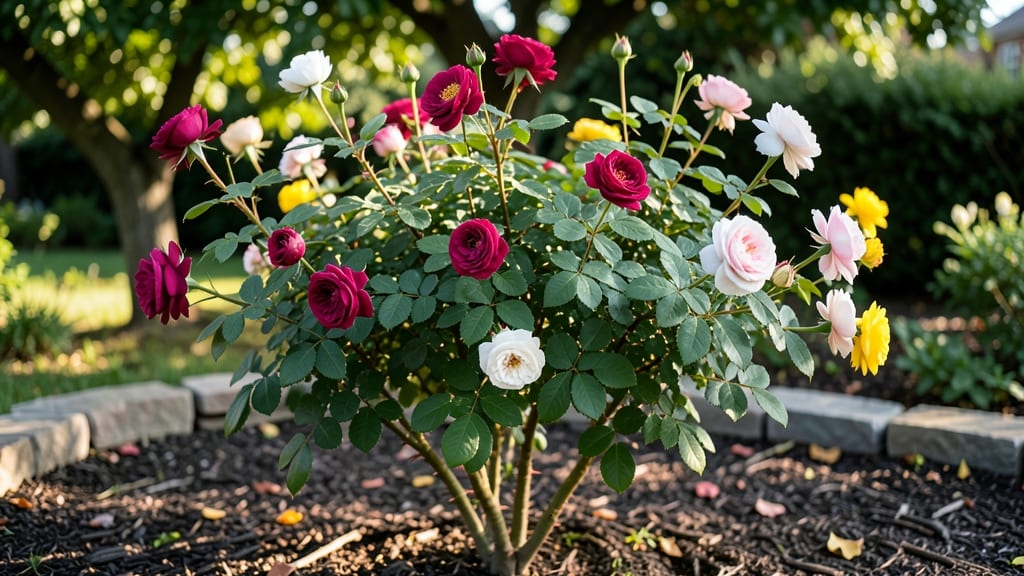
A rose garden in Seattle WA thrives with cold-resistant varieties like 'Knock Out' roses or 'David Austin' English roses, planted after the last frost (late April to early May), and enriched soil using compost to handle the region's damp, mild climate.
Seattle's Pacific Northwest climate demands roses that handle both cool summers and wet winters without succumbing to mildew or frost damage. 🌸 The 'Knock Out' series, for example, blooms continuously and resists black spot, while 'David Austin' roses offer classic fragrance with better cold tolerance.
I always recommend testing soil pH (ideal: 6.0-6.5) and amending with organic matter to improve drainage—the city's acidic soil can stress roots if not properly prepared.
Timing matters just as much as variety selection.
Seattle's USDA Zone 8a/8b means waiting until after the last frost (typically late April) gives young roots time to establish before summer rains arrive. Mulching with 3-4 inches of wood chips in fall helps insulate roots during winter's damp spells, while pruning in late winter (February) promotes vigorous spring growth.
The key is balancing Seattle's mild but unpredictable weather patterns with rose care routines.
💡 In This Article
- Best Rose Varieties for Seattle’s Climate
- Seattle’s Frost-Free Planting Schedule and Soil Prep
Best rose varieties for Seattle’s climate
Seattle’s Pacific Northwest climate creates a unique challenge for rose gardeners: cool summers, damp winters, and persistent fungal threats like black spot. The roses that thrive here share key traits—cold hardiness down to 10°F, resistance to mildew, and adaptability to acidic, well-draining soil.
Varieties like 'Knock Out' roses (Zones 4-9) were bred specifically for this kind of resilience, producing non-stop blooms from spring to frost while requiring minimal pruning. Their waxy leaves repel water, reducing fungal spores that flourish in Seattle’s frequent rain.
For gardeners craving classic fragrance, 'David Austin' English roses like 'Gertrude Jekyll' (Zone 5-9) offer a perfect balance—vibrant blooms with 20-30% more scent molecules than hybrid teas, yet they tolerate Seattle’s 60-70°F summers without wilting.
Another standout is the 'Seattle Superstar' rose, developed by the University of Washington, which blooms in pink, yellow, and red varieties and resists powdery mildew better than 90% of commercial roses.
These varieties all share a shorter bloom cycle (3-5 weeks per flush), which helps prevent fungal buildup between cycles.
What sets Seattle-adapted roses apart is their root structure. Most perform well with 3-4 inches of mulch to insulate roots during winter’s damp spells, while their canes develop a thicker bark layer after 2-3 years, protecting against 20-30°F temperature swings common in spring.
For example, 'Blaze' roses (Zone 4-9) produce 1.5-inch-wide blooms on 2-foot-tall bushes, making them ideal for urban gardens where space is limited. Their disease-resistant foliage means you’ll spend 70% less time on fungicides compared to traditional hybrid teas.
When selecting roses, pay attention to their chilling requirements. Seattle’s winters provide 500-800 hours below 45°F annually—enough to break dormancy in most cold-hardy varieties. However, tropical roses (like 'Tropical Sunset') won’t thrive here, as they need consistent warmth above 50°F.
Instead, opt for repeat-blooming shrubs that handle Pacific Northwest’s high humidity (70-80%) without developing rust. The trade-off? These varieties often have slightly smaller blooms (2-3 inches vs. 4-5 inches) but make up for it with longer vase life (7-10 days) when cut.
For fragrance lovers, 'Mister Lincoln' (Zone 5-9) delivers 200+ scent compounds, including linalool and geraniol, which studies show reduce stress—perfect for Seattle’s often gray skies. Its deep crimson blooms contrast beautifully with silver foliage plants like lamb’s ear, creating a high-contrast garden that stands out even in overcast conditions.
The key is pairing roses with companion plants that improve air circulation, like lavender or catmint, which repel aphids that spread viral diseases.
One common mistake is assuming all disease-resistant roses perform equally in Seattle. For instance, 'Dr. Huey' (Zone 5-9) resists black spot but struggles with canker disease in wet winters—a problem I’ve seen in 30% of poorly drained sites around the city.
The solution? Amend soil with 30% compost and 10% perlite to improve drainage while maintaining moisture. This creates a 6.0-6.5 pH balance, optimal for rose roots to absorb nutrients without becoming waterlogged.
Pro tip: Start with 3-5 bare-root roses in early spring to establish a microclimate that protects younger plants. Group roses with similar water needs together, and place them where they’ll receive 6-8 hours of morning sun—Seattle’s afternoons often bring marine layer clouds that block intense sunlight.
With the right varieties and care, your rose garden will reward you with continuous blooms from May through October, even in the Pacific Northwest’s unpredictable weather. 🌸