
Tools
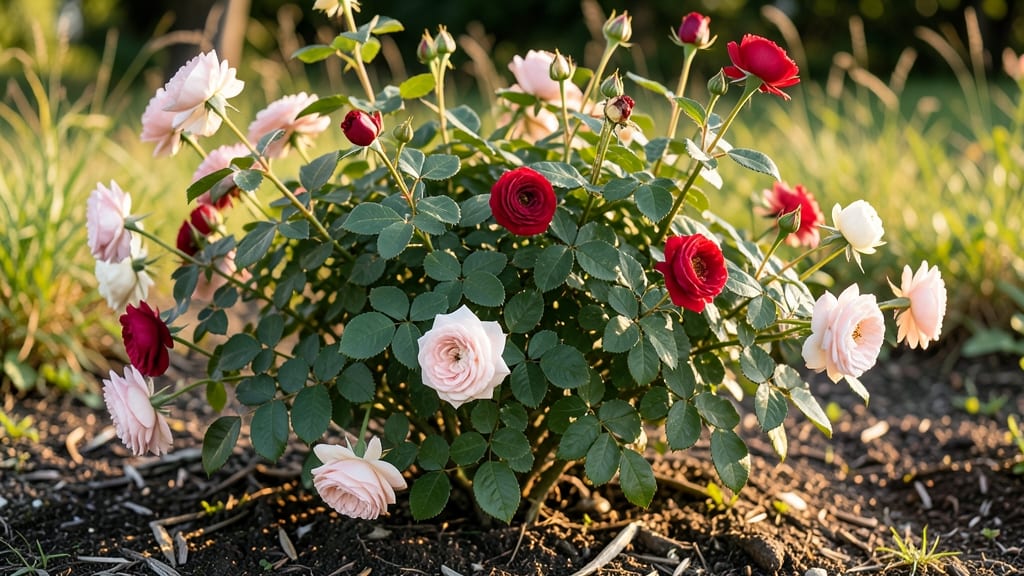
The rose garden Seattle Washington features offers breathtaking floral displays throughout the year, with standout locations like the Seattle Rose Garden at the Washington Park Arboretum and Discovery Park’s rose beds providing complimentary access to meticulously maintained collections. The gardens reach their peak splendor from May to July, though expert pruning and seasonal maintenance extend their allure well into autumn, perfectly adapted to Seattle’s unique climate.
The Seattle Rose Garden at the Washington Park Arboretum stands as the crown jewel, featuring over 500 varieties of roses thriving in Seattle’s mild, rainy climate. 🌸 Unlike many urban gardens, these roses are carefully selected for their resilience against Pacific Northwest challenges like high humidity and cool summers.
The garden’s David Austin English roses and hybrid teas create dramatic displays that attract visitors year-round, with late-season blooms often lasting through October.
For those seeking a more secluded experience, Discovery Park’s rose beds offer a quieter retreat with equally impressive collections, all while maintaining the city’s commitment to accessible public green spaces.
What makes these gardens so special isn’t just their beauty but their adaptability. Gardeners in Seattle have mastered techniques like winter mulching and pruning for spring rebloom that keep roses thriving despite the region’s 6-7 months of rainfall annually.
The soil’s natural acidity actually benefits many rose varieties, creating ideal conditions when paired with proper drainage.
Visitors often ask about the best time to see roses in full bloom—while May through July delivers the most vibrant displays, the fall gardens at Washington Park Arboretum often feature seasonal varieties that add unexpected pops of color as temperatures drop.
💡 In This Article
- Seattle’s Best Rose Gardens and Their Unique Features
- Seasonal Rose Care Tips for Seattle’s Rainy Climate
Seattle’s best rose gardens and their unique features
Seattle’s rose gardens aren’t just beautiful—they’re engineering marvels of horticulture, carefully adapted to thrive in the city’s famously wet and mild climate. The Seattle Rose Garden at Washington Park Arboretum, established in 1961, features over 500 varieties meticulously chosen for their resilience against Pacific Northwest challenges.
Unlike roses in drier climates, these varieties prioritize disease resistance and winter hardiness, with many capable of surviving temperatures down to 15°F while still blooming prolifically. The garden’s David Austin English roses stand out for their fragrant, layered petals that create a sensory experience unlike traditional hybrid teas.
The soil here plays a crucial role—Seattle’s naturally acidic, loamy soil (pH 5.5-6.5) benefits roses that prefer these conditions, like Knock Out® roses and Noisette varieties, which thrive with minimal fertilization. 🌧️ Gardeners use organic compost and pine bark mulch to maintain drainage while retaining moisture, a critical balance in Seattle’s 6-7 months of annual rainfall.
Discovery Park’s rose beds, meanwhile, showcase climbing roses trained along trellises, demonstrating how Seattle’s cool summers (average 70°F) actually slow the growth of pests like aphids, reducing the need for chemical treatments.
What sets these gardens apart is their seasonal strategy: while most roses peak in summer, Seattle’s gardens extend beauty through fall plantings like ‘Double Delight’ (a deep red hybrid tea) and ‘The Fairy’ (a delicate pink climber), which bloom until first frost.
The Washington Park Arboretum’s “Rose Walk” features 1920s-era roses that were originally grown in Seattle’s early 20th-century gardens, showcasing how historical varieties have been preserved through careful propagation. This adaptation isn’t just aesthetic—it’s a testament to Seattle’s year-round gardening culture.
For visitors, the sensory experience varies by garden: Washington Park’s roses emit intense fragrances (like ‘Gertrude Jekyll’ with its spicy-sweet scent), while Discovery Park’s quieter settings allow for up-close examination of petal textures, from velvety ‘Souvenir de la Malmaison’ to ruffled ‘Iceberg’.
The color palette shifts seasonally: spring brings soft pinks and whites, summer explodes with deep reds and oranges, and fall offers moody purples and burgundies that contrast with Seattle’s gray-sky backdrop. This natural progression creates a dynamic visual journey unlike many single-season gardens.
Beyond aesthetics, these gardens serve as living laboratories for Seattle’s urban horticulture. The University of Washington’s School of Environmental and Forest Sciences collaborates with garden staff to study how rose varieties respond to Seattle’s microclimates, with findings applied to both public and private gardens.
For example, they’ve discovered that ‘New Dawn’ roses (a repeat bloomer) perform exceptionally well in Seattle’s cooler, wetter zones when planted near evergreen shrubs that provide wind protection. 🌿 This research has led to region-specific planting guides now used by local nurseries.
One often-overlooked feature is the architectural integration of these gardens. The Washington Park Arboretum’s rose garden uses curving pathways and raised beds to manage Seattle’s heavy rainfall drainage, while Discovery Park’s beds are designed with sloped surfaces to prevent water pooling.
These structural choices aren’t just practical—they enhance the visual flow of the gardens, creating rhythmic patterns that guide visitors through the space. The result is a harmonious blend of art, science, and Seattle’s unique climate.
The takeaway for any visitor or home gardener? Seattle’s rose gardens prove that beauty and resilience go hand-in-hand.
By selecting the right varieties, adapting care techniques to local conditions, and embracing the city’s mild winters and wet summers, these gardens achieve what many urban rose collections can’t: year-round interest with minimal compromise.
For those inspired to grow their own, starting with Seattle-hardy varieties like ‘Dr. Huey’ (a disease-resistant shrub) or ‘Bonica’ (a repeat bloomer) can yield stunning results with far less maintenance than traditional roses.