
Planting
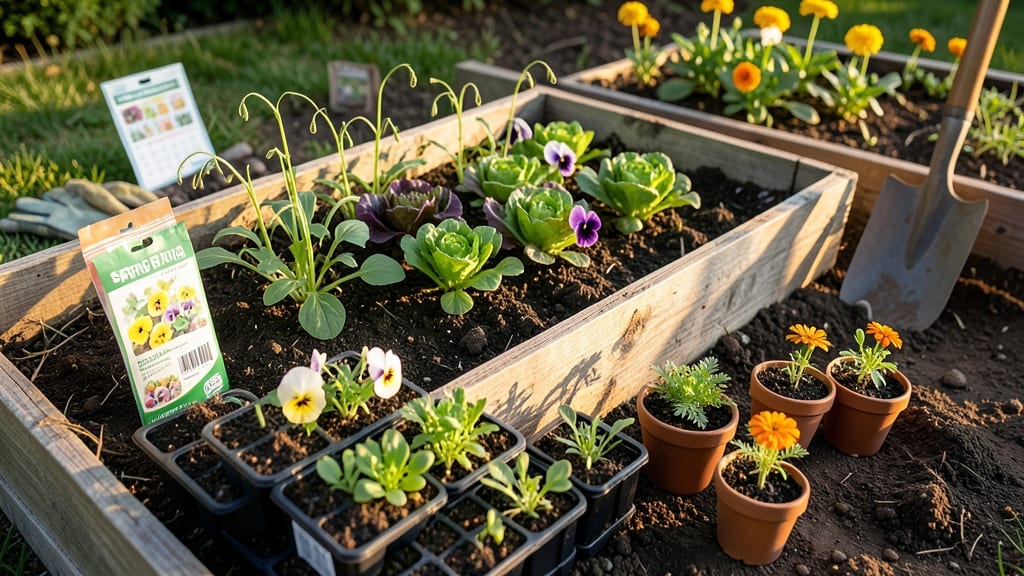
To plant a garden in Cleveland, Ohio, time your sowing between mid-April and mid-May after the last frost—any earlier risks frost damage, while waiting too long cuts harvests short.
Cleveland’s unpredictable weather can turn gardening into a high-stakes guessing game—plant too early, and frost will wipe out your seedlings; too late, and you’ll miss peak harvests. But with the right timing, you can maximize your garden’s potential in Ohio’s Zone 6a climate.
This isn’t just about avoiding frost; it’s about matching your 🌱 General Garden Vegetables & Plants to Cleveland’s 165 frost-free days. Cool-season crops like lettuce and peas thrive in March, while tomatoes and peppers need to wait until soil warms to 60°F—usually late May.
Below, I’ll break down the exact planting windows, soil prep tips, and how to adjust for Cleveland’s microclimates—so you can grow a bountiful garden without the guesswork.
Cleveland Ohio planting calendar: exact dates for vegetables, flowers, and herbs by season
Cleveland’s Zone 6a climate means your planting schedule hinges on last frost dates (April 15–May 1) and first frost dates (October 15–November 1). Miss these windows, and you risk stunted plants or wasted seeds.
But with precise timing, you can grow everything from tomatoes to zucchini—and even overwinter kale or garlic for early harvests.
Cool-season crops thrive in spring (March–May) and fall (August–October), while warm-season plants need soil temperatures above 60°F—typically after May 15. Perennials, like lavender or asparagus, can be planted in early spring or fall for established roots before winter.
Let’s break down the exact dates for your Cleveland garden.
🌱 Pro Tip: Use row covers to extend your spring planting window by 2–3 weeks if frost threatens. For warm-season crops, wait until soil warms to 60°F—even if calendar dates suggest it’s safe.
For warm-season vegetables, timing is critical—plant tomatoes or peppers too early, and they’ll linger instead of thriving. Aim for May 15–June 15 when soil temperatures consistently stay above 60°F. If you’re worried about late frosts, opt for heat-tolerant varieties like ‘Celebrity’ tomatoes or ‘Jalapeño M’ peppers.
How to adjust planting times for Cleveland’s microclimates and unpredictable weather
Cleveland’s diverse microclimates—from Lake Effect cooling near the shore to inland heat pockets—mean your garden’s timing can vary by blocks. The average last frost of April 15 can shift 1-2 weeks depending on whether you’re near the lake or in a sheltered valley.
Understanding these variations lets you extend your growing season and avoid late frost damage to tender seedlings.
One of the most effective tools for Cleveland gardeners is season-extending structures. Row covers (lightweight fabric) can push back the first frost by 2-4 weeks, while cold frames create a 10-15°F warmer microclimate—ideal for spinach, kale, or lettuce in early spring or late fall.
For heat-sensitive crops like peppers and tomatoes, choose heat-tolerant varieties like ‘Heatmaster’ tomatoes or ‘Jalapeño M’ peppers, which thrive in Cleveland’s summer heat spikes that can exceed 90°F.
- 1. Plant near south-facing walls to capture reflected heat and delay frost exposure by 3-5 days. Urban areas with brick buildings create natural heat sinks that warm soil faster in spring.
- 2. Use floating row covers for cool-season crops (e.g., broccoli, cabbage) to protect against late spring frosts (which can hit as late as May 10). Remove covers when plants flower to allow pollination.
- 3. Monitor soil temperature with a soil thermometer—warm-season crops like beans and cucumbers need soil at 60°F+. Cleveland’s soil can lag behind air temperature by 5-7 days, so wait for consistency.
- 4. Choose fast-maturing varieties (e.g., ‘Early Girl’ tomatoes, ‘Bush Bean’ snap peas) to harvest before first fall frost (typically October 20). Aim for 60-70 day varieties to maximize yields.
- 5. Adjust for Lake Effect: Areas within 5 miles of Lake Erie experience cooler nights (up to 5°F colder) than inland zones. Plant heat-loving crops (e.g., peppers, eggplants) 1-2 weeks later in lakeshore gardens.
Don’t let Cleveland’s unpredictable weather limit your garden. Succession planting—sowing radishes every 2 weeks in spring—ensures a continuous harvest even if early plantings fail.
For fall gardens, start spinach and arugula by August 15 to harvest before frost. Hardy perennials like asparagus and rhubarb thrive in Cleveland’s climate, offering early spring harvests (as early as April 1) when annuals are still dormant.
If you’re in a rural area, watch for frost pockets in low-lying spots—these can freeze 5-7 days after the official last frost date. Windbreaks (like corn stalks or evergreen hedges) reduce wind chill and protect delicate seedlings.
For container gardens, move pots to sheltered spots at night during late spring frosts. With these adjustments, you’ll beat Cleveland’s weather and enjoy a longer, more productive growing season.
Pro tip: Keep a gardening journal to track your local frost dates and microclimate quirks. Over 3 years, you’ll spot patterns—like when your garden warms up faster—and refine your planting schedule for frost-free success. 🌱