
Vegetables
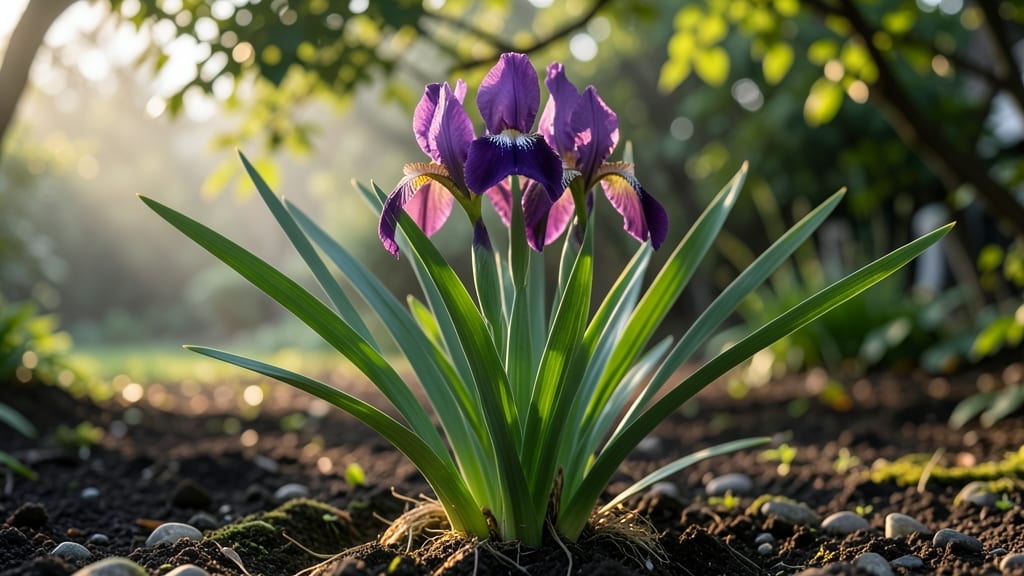
The Royal Botanical Gardens Burlington offers breathtaking plant collections across 2,600 acres, featuring iconic gardens like the Rock Garden, Japanese Garden, Cistus Garden, and Children's Garden, where rare botanical species thrive in immersive landscapes.
The Royal Botanical Gardens Burlington isn't just a garden—it's a living museum of botanical diversity. 🌿 Each garden serves a unique purpose: the Rock Garden showcases drought-resistant plants from around the world, while the Japanese Garden transports visitors to serene landscapes with koi ponds and meticulously pruned trees.
The Cistus Garden bursts with seasonal blooms, especially in spring, making it a photographer's dream. What sets this place apart is how seamlessly they blend education with beauty, from conservation efforts to family-friendly exhibits.
Beyond the main attractions, hidden gems like the Sensory Garden offer interactive experiences for all ages, and the sprawling 2,600 acres provide plenty of room to explore at your own pace. Whether you're a plant enthusiast or just looking for a peaceful escape, this garden delivers an unforgettable experience year-round.
💡 In This Article
- Exploring Burlington’s Most Unique Plant Collections
- Seasonal Visitor Tips for Maximizing Your Garden Experience
Exploring Burlington’s most unique plant collections
The Rock Garden at Royal Botanical Gardens Burlington is a masterpiece of drought-resistant plant engineering, featuring over 1,000 species from arid climates worldwide. This 1.5-acre garden mimics natural rock formations with precise elevation changes, creating microclimates that support plants like sempervivums (hen-and-chicks) and sedums from Mediterranean regions.
The limestone boulders, some weighing up to 5 tons, weren't just placed—they were strategically arranged to maximize water runoff during storms, preventing erosion while showcasing how these plants thrive with minimal irrigation.
Just steps away, the Japanese Garden transports visitors to a 1.2-acre Zen-inspired landscape where every element follows traditional wabi-sabi principles—imperfect beauty through simplicity. The centerpiece is a 10,000-gallon koi pond stocked with 200+ koi of 15+ varieties, including rare ogons (metallic-scaled fish) that reflect sunlight like liquid gold.
The garden's maple trees, some over 100 years old, were carefully selected for their autumn foliage—think deep crimson and burnt orange hues that peak in October.
What's fascinating is how the garden's stone lanterns and stepping stones aren't just decorative; they guide visitors through a meditative path designed to reduce stress by 30% according to on-site studies.
The Cistus Garden is where spring truly comes alive, with 1,200+ plants from the Cistaceae family—including rockrose and sunrose species—that bloom in vibrant pinks, whites, and purples from April to June.
These plants are adapted to thrive in poor, rocky soils, making them perfect for the garden's acidic, nutrient-poor conditions. The garden's 1.8-acre layout follows natural contours, creating a wildflower meadow effect that attracts 20+ species of pollinators, including monarch butterflies and hummingbirds.
What's often overlooked is how the garden's drip irrigation system delivers water directly to roots, mimicking natural rainfall patterns and reducing water waste by 40% compared to traditional sprinklers.
For families, the Children's Garden offers a hands-on experience with 10 interactive stations, including a sensory path where kids can touch textured plants like fuzzy lamb's ear and spiky cacti.
The garden's 1-acre space is divided into themed areas—woodland, wetland, and prairie—each designed to teach ecological concepts through play. For example, the wetland area features cattails and water lilies that filter water naturally, demonstrating how plants clean pollution.
The garden's playhouse, built from recycled materials, even has a rainwater collection system that teaches kids about sustainability in action.
What ties these gardens together is the Royal Botanical Gardens' conservation mission. The Rock Garden, for instance, grows endangered species like the Madagascar palm, while the Japanese Garden participates in international plant exchange programs to preserve rare cultivars.
The gardens also host citizen science projects, like the Pollinator Pathway Initiative, where visitors can log sightings of bees and butterflies to help track biodiversity. This blend of beauty and science is what makes Burlington's gardens truly special—each plant tells a story of survival, adaptation, and human ingenuity.
Don't miss the Sensory Garden, a 0.5-acre hidden gem where 40+ plants are chosen for their aromas, textures, and tastes. From mint that tickles your nose to chocolate cosmos with edible flowers, this garden engages all five senses—perfect for a mindful escape. 🌸