
Landscaping
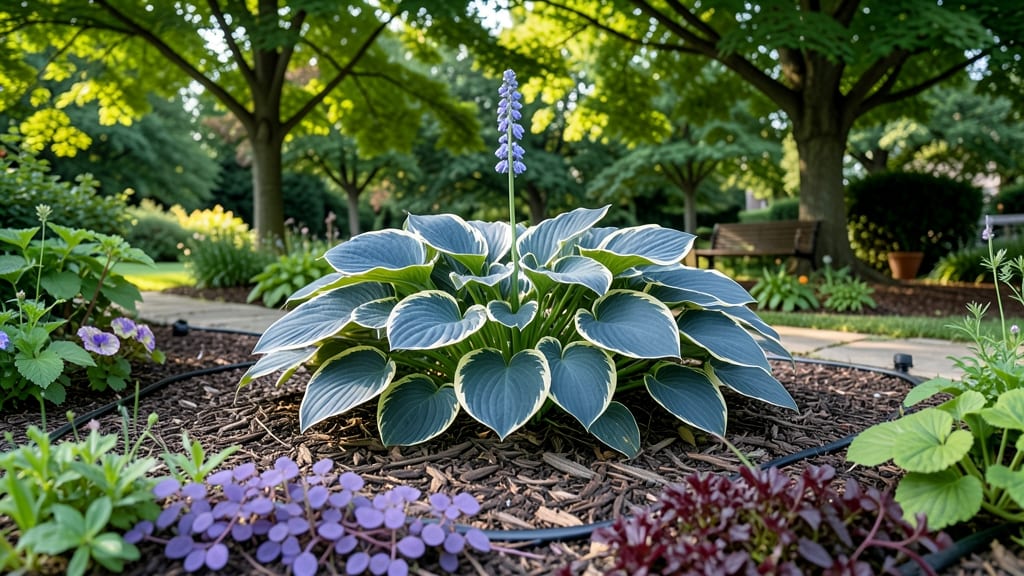
A shade garden ideas zone 6 can be lush, dynamic, and full of life—if you choose the right plants and layer them wisely.
Picture this: a spot under towering trees that feels like a forgotten corner, until you transform it into a thriving oasis with year-round color and texture. The key? Smart planting that works with the shade, not against it.
Zone 6’s mild winters and humid summers create the perfect conditions for shade-loving perennials, shrubs, and ground covers that thrive where others struggle. Whether you’re dealing with deep shade or just partial sun, the right mix of foliage and blooms will keep your garden vibrant from spring through fall.
In this guide, I’ll walk you through layered planting strategies, top plant picks, and seasonal swaps to ensure your shade garden stays beautiful with minimal effort. Let’s bring that shady spot to life!
 Best Window Placement
Best layered planting strategies for Zone 6 shade gardens
Creating a shade garden in Zone 6 doesn't mean sacrificing beauty or texture. In fact, the right layered planting strategy can transform your shady spot into a lush, dynamic space that thrives year-round.
The key is understanding how to structure your garden in three distinct tiers: the top layer for tall plants, the middle layer for mid-height perennials, and the ground cover to fill in gaps and suppress weeds.
This approach maximizes visual impact while ensuring every plant gets the right growing conditions.
When designing your shade garden, focus on hardy Zone 6 plants that tolerate low light but still deliver color, texture, and seasonal interest. Evergreens like fern-leaf hellebore and Japanese painted fern provide structure, while perennials such as hostas and astilbes add bursts of color.
Don't forget seasonal bloomers like bleeding heart or lungwort to keep your garden vibrant from spring through fall. The right combination creates a multi-dimensional space that feels both functional and breathtaking.
Before diving into plant selection, test your shade conditions. Is it deep shade (less than 2 hours of sunlight) or partial shade (3-6 hours)? Deep shade gardens thrive with hostas, ferns, and astilbes, while partial shade can accommodate hydrangeas, heucheras, and Japanese anemones.
Understanding your light levels ensures you choose plants that will thrive, not just survive. In Zone 6, where winters can be harsh, selecting cold-hardy and drought-tolerant varieties is also critical for long-term success.
| Plant Layer | Zone 6 Plant Examples | Height Range | Key Benefits |
|---|---|---|---|
| Top Layer (6-12 ft) | Dwarf Korean lilac, Inkberry holly, Japanese maple | 6-12 ft | Year-round structure, seasonal blooms, focal points |
| Middle Layer (2-5 ft) | Hostas, Astilbes, Bleeding heart, Hellebores | 2-5 ft | Color, texture, seasonal blooms, deer-resistant options |
| Ground Cover (0.5-2 ft) | Sweet woodruff, Foamflower, Creeping phlox, Ferns | 0.5-2 ft | Weed suppression, soil moisture retention, early spring blooms |
Start your layered planting with the top layer, which sets the tone for your shade garden. In Zone 6, dwarf Korean lilac (Syringa meyeri) is a standout choice, offering fragrant spring blooms and compact growth (6-8 ft).
For evergreen structure, Inkberry holly (Ilex glabra) provides glossy foliage and thrives in deep shade. Pair these with Japanese maples (Acer palmatum) for seasonal color shifts from green to fiery red in fall. These plants act as backdrops, drawing the eye upward and creating depth.
Next, fill the middle layer with perennials that deliver color and texture while complementing your top layer. Hostas are a must-have for their varied foliage colors and low-maintenance nature, with varieties like 'Halcyon' or 'Francee' reaching 2-3 ft tall. Astilbes add plume-like blooms in shades of pink, white, or purple, while bleeding heart (Dicentra spectabilis) provides heart-shaped flowers in spring.
For year-round interest, fern-leaf hellebore (Helleborus argutifolius) blooms in late winter, followed by Japanese anemones in fall.
The ground cover layer is where you can get creative with weed suppression and early-season color. Sweet woodruff (Galium odoratum) spreads gently and releases a vanilla-like scent when crushed, while foamflower (Tiarella cordifolia) offers delicate white blooms in spring.
For evergreen ground cover, creeping phlox (Phlox subulata) provides spring blooms and stays green year-round. Pair these with ferns like Japanese painted fern (Athyrium niponicum) for lacy textures that contrast beautifully with broader-leaved plants.
To ensure your shade garden thrives, focus on soil health and mulching. Zone 6 soils can be clay-heavy or acidic, so amend with compost and organic matter to improve drainage and fertility.
Apply a 2-3 inch layer of mulch (such as shredded bark or pine needles) to retain moisture and regulate soil temperature. This is especially important in partial shade, where roots may dry out faster.
Water deeply 1-2 times per week during dry spells, ensuring the ground cover layer stays consistently moist.
Don't overlook seasonal interest when planning your layers. In spring, bleeding heart and heucheras burst into bloom, while summer brings astilbes and hydrangeas to the forefront. Fall showcases the foliage colors of Japanese maples and winter keeps your garden lively with evergreen ferns and hellebores.
By mixing early, mid, and late-season bloomers, you create a continuous display that keeps your shade garden dynamic throughout the year.
Finally, incorporate native plants where possible to support local ecosystems and reduce maintenance. Plants like wild ginger (Asarum canadense) and Virginia bluebells (Mertensia virginica) are deer-resistant, drought-tolerant, and perfectly adapted to Zone 6 shade conditions.
They also attract pollinators like bees and butterflies, adding another layer of life to your garden. Start small with a few native species, then expand as you see what thrives best in your microclimate.
With these **layered planting strategies
Top 10 shade-loving plants for Zone 6 that thrive in low light
Creating a stunning shade garden in Zone 6 starts with selecting the right plants. The good news? Many shade-tolerant varieties not only survive but thrive in low-light conditions, offering lush foliage and vibrant blooms year-round.
I’ve curated a list of foolproof plants that bring texture, color, and resilience to even the darkest corners of your yard.
From evergreen ferns that provide structure to flowering perennials that add seasonal pops of color, these plants are perfect for gardeners who want beauty without the fuss. Each one is well-adapted to Zone 6’s climate, handling everything from humid summers to mild winters with ease.
Shade Garden Plant Pros & Cons
| Plant | Pros | Cons |
|---|---|---|
| Hostas | Low-maintenance, varied foliage, deer-resistant | Attracts slugs, needs consistent moisture |
| Ferns (e.g., Japanese Painted) | Lush texture, thrives in deep shade, drought-tolerant once established | Can look messy without pruning |
| Hellebores (Lenten Rose) | Early blooms, evergreen foliage, deer-resistant | Slow growth, needs well-draining soil |
| Astilbes | Feathery plumes, long bloom time, attracts pollinators | Floppy stems may need staking |
| Bleeding Heart (Dicentra) | Unique heart-shaped flowers, shade-tolerant, deer-resistant | Dies back in summer, needs rich soil |
Choose plants based on your garden’s light conditions and maintenance preferences.
Let’s dive into the top 10 shade-loving plants that will transform your Zone 6 garden. Hostas are a must-have for their striking foliage, available in shades of blue, green, and variegated patterns. They’re perfect for adding year-round interest and work well as both ground covers and focal points.
For a touch of whimsy and movement, Astilbes deliver feathery plumes in pink, white, or red. These pollinator-friendly perennials bloom from mid-summer to fall, providing late-season color when many other plants have faded. Pair them with Hellebores, which offer early spring blooms and remain evergreen through winter.
If you love textural contrast, Japanese Painted Ferns add delicate, silvery fronds that shine in low light. They’re incredibly drought-tolerant once established and pair beautifully with Bleeding Hearts, whose heart-shaped flowers add a romantic touch. Both thrive in moist, well-draining soil and handle Zone 6’s humidity with ease.
Don’t overlook evergreen shrubs like Inkberry Holly or Dwarf Fothergilla for structure. These plants provide winter interest and create a stunning backdrop for your shade garden. For colorful ground covers, consider Lungwort (Pulmonaria) or Sweet Woodruff, both of which offer unique foliage and early spring blooms.
To keep your shade garden low-maintenance and vibrant, focus on layering plants by height and bloom time. Start with taller shrubs in the back, add mid-height perennials like Astilbes or Hosta, and fill the front with ground covers or low-growing ferns.
Mulch with organic matter to retain moisture and suppress weeds.
With these shade-loving plants, your Zone 6 garden will be a lush, thriving oasis—no matter how little sunlight it gets. Happy planting! 🌿