
Tools
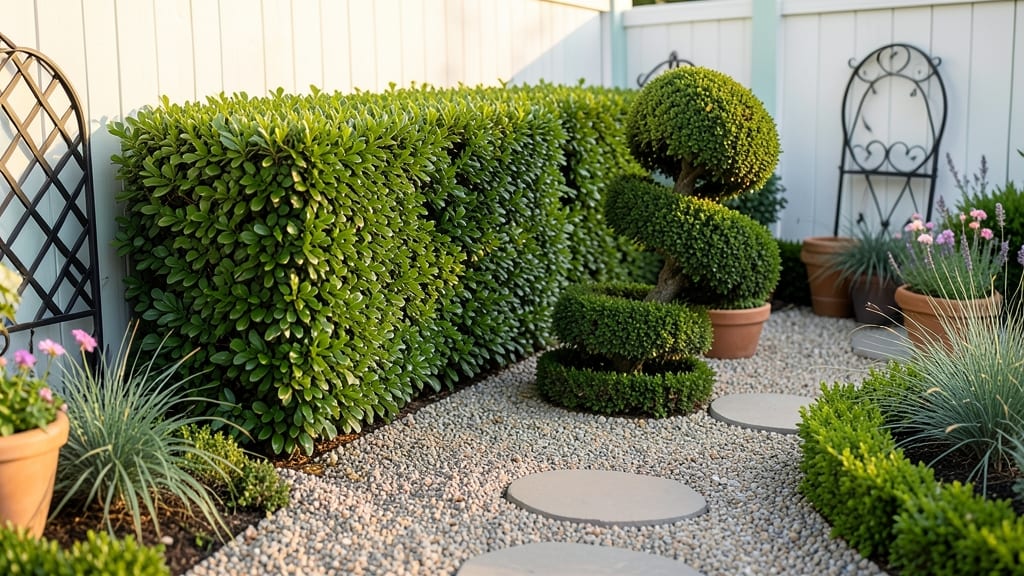
A small formal garden thrives through precise geometric layouts, symmetrical pathways, and structured plant arrangements like neatly trimmed boxwood or sculpted topiaries. This approach creates visual harmony in compact areas while maintaining classic elegance.
A small formal garden transforms limited space into a refined retreat by leveraging geometric precision and repetitive patterns.
The key lies in creating visual balance through mirrored plantings, crisp edges, and carefully placed focal points like urns or obelisks. 🌿 I’ve seen even 4'x6' areas achieve grandeur by using layered planting—tall elements at the back, medium-height in the middle, and low-growing plants at the front—to add depth perception.
The color palette should emphasize neutral tones with one or two accent colors to prevent visual clutter while keeping the design timeless.
This design philosophy isn’t just about aesthetics—it’s about creating a space that feels intentional and well-cared-for. The structured approach actually reduces maintenance by focusing on plants that thrive with minimal upkeep, like boxwood or lavender, while the geometric layout makes cleaning pathways effortless.
The result? A garden that feels expansive despite its size.
💡 In This Article
- Key Design Principles for Small Formal Gardens
- Best Plants for Small Formal Garden Layouts
Key design principles for small formal gardens
Formal gardens rely on mathematical precision to create visual harmony, and this principle scales perfectly to small spaces. The foundation is symmetry—mirroring plant beds, pathways, or architectural elements across a central axis.
For example, a 4'x4' garden can achieve grandeur by placing two identical boxwood shrubs flanking a narrow gravel path, creating an instant focal point. This repetition tricks the eye into perceiving balance, making even tiny areas feel intentional and structured.
The human brain naturally responds to symmetry as pleasing, which is why formal gardens have endured for centuries.
Geometric shapes are the secret weapon for small formal gardens. Rectangles, circles, and triangles create clean lines that define space without overwhelming it. A 12" diameter circular bed filled with lavender or a 2'x3' rectangular parterre> with alternating herbs and flowers instantly adds sophistication.
These shapes also make maintenance easier—pruning boxwood into precise rectangles or topiaries into spheres is more manageable in small areas. The key is to use shapes that complement your home's architecture; for example, a square bed works beautifully under a rectangular window, while a circular design softens a sharp corner.
Layered planting is another technique that creates depth in limited space. Start with a tall backdrop—perhaps a 3'-4' ornamental grass> like fountain grass or a clipped yew hedge—to establish height.
Add mid-height plants like boxwood (2'-3' mature height) or hydrangeas in the middle layer, then fill the front with low-growing perennials like creeping thyme or ajuga. This vertical stratification makes the garden feel expansive while maintaining the formal aesthetic.
The layers also provide seasonal interest: spring bulbs in the front, summer blooms in the middle, and autumn foliage in the back.
Color palettes in small formal gardens should prioritize cohesion over vibrancy. A neutral base of silver, gray, and green (from plants like lamb's ear, dusty miller, or boxwood) creates a calming backdrop.
Introduce one or two accent colors—like deep purple from lavender or soft pink from roses—to add visual interest without overwhelming. The rule of thumb is to limit accent colors to 20-30% of the planting>, distributed strategically.
For instance, place a cluster of purple salvia near the center of a rectangular bed to draw the eye while maintaining the structured look. This approach prevents the garden from feeling cluttered, which is especially important in tight spaces.
Pathways play a crucial role in defining the garden's structure. In small formal gardens, narrow gravel paths (12-18" wide) or neatly edged brick walkways create clear divisions between plant beds while maintaining a sense of flow.
The pathways should follow the garden's geometric lines—perhaps forming a gentle curve or a straight axis—and be wide enough for comfortable movement but not so broad they dominate the space.
Adding a central focal point like a small urn or obelisk at the end of a path draws the eye and adds vertical interest, making the garden feel complete. The material choice matters too: light-colored gravel reflects sunlight, making the space feel brighter, while dark pavers provide contrast and definition.
Finally, the principle of negative space is often overlooked in small gardens but is essential for elegance. Leaving 12-18" of open ground> between plant beds or pathways prevents the garden from feeling cramped. This empty space allows the eye to rest and appreciates the structured plantings.
For example, a 2'x2' square of gravel> between two boxwood shrubs adds visual breathing room while reinforcing the geometric theme. The contrast between the structured plants and the open space creates a sense of order and refinement, which is the hallmark of formal gardens.