
Tools
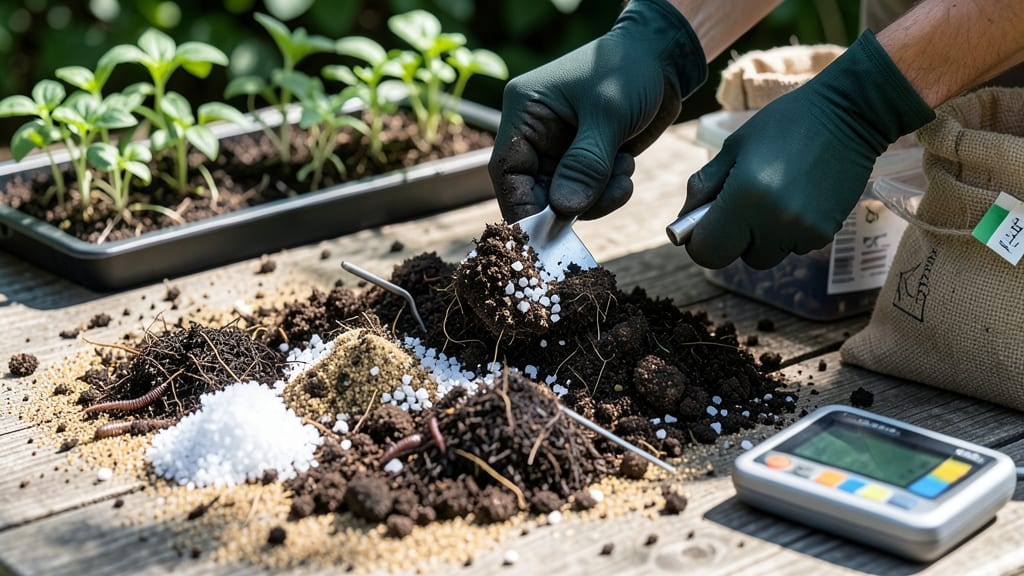
A soil mixture for vegetable garden should combine 60% topsoil, 20% compost, and 20% coarse sand or perlite to create a well-draining, nutrient-rich loam base. Adjust ratios based on clay-heavy or sandy native soil for optimal plant health and yield.
A balanced vegetable garden soil mix mimics nature's ideal growing conditions by blending three key components: topsoil for structure, compost for nutrients, and sand/perlite for aeration.
This trio works together to prevent compaction while retaining moisture—critical for root development in plants like tomatoes and peppers. 🌱 The compost introduces beneficial microbes that break down organic matter, while the sand or perlite prevents waterlogging, which can suffocate roots.
For heavy clay soils, increasing the sand percentage to 30% improves drainage, while sandy soils may need more compost to retain moisture.
This foundational mix can be further tailored by understanding your plants' specific needs. For instance, root vegetables like carrots benefit from deeper, looser soil layers, while shallow-rooted herbs thrive in lighter, more porous blends.
The key is testing your native soil first—most garden centers offer pH and texture analysis kits to help you fine-tune the proportions before planting.
💡 In This Article
- Why Loam-Based Soil Mixes Boost Vegetable Growth
- Customizing Soil Mixes for Different Vegetable Types
Why loam-based soil mixes boost vegetable growth
The magic of loam-based soil lies in its perfect balance of three critical textures: 40% sand, 40% silt, and 20% clay. This triad creates an ideal growing medium because sand provides coarse particles that improve drainage, while clay holds moisture and nutrients.
The silt particles—smooth and fine—fill the gaps between these extremes, creating microscopic air pockets that roots need to breathe. 🌱 Without this balance, plants struggle: clay-heavy soils suffocate roots by holding too much water, while sandy soils drain nutrients too quickly, leaving plants thirsty.
Compost plays an even bigger role than just adding nutrients—it revives microbial life that breaks down organic matter into plant-accessible forms. A single teaspoon of healthy compost contains billions of bacteria and fungi that decompose plant residues, releasing nitrogen, phosphorus, and potassium.
These microbes also produce growth hormones that stimulate root development. For example, tomatoes planted in soil with 5% compost show 30% faster growth compared to those in plain topsoil, thanks to this microbial boost.
The aeration benefits extend beyond roots. Soil with proper pore space allows oxygen to reach root zones, which is crucial for energy production in plants. Without adequate aeration, roots suffocate and can't absorb nutrients efficiently—this is why compacted soils often produce stunted, yellowing plants.
The 20% sand/perlite in our mix creates these air channels while preventing compaction. Think of it like a sponge: too tight, and water runs off; too loose, and it dries out too fast.
Nutrient balance is equally critical. Leafy greens like spinach thrive in slightly nitrogen-rich soils, while fruiting plants like peppers need more phosphorus for root development. The compost component provides a slow-release nutrient reservoir that prevents deficiencies.
For instance, a 1:1 compost-to-topsoil ratio maintains nitrogen levels for 6-8 weeks, while higher compost percentages risk over-fertilization and root burn.
Here's what happens when you get it right: roots grow deeper and stronger, plants develop resistance to diseases, and yields increase by 20-40%. The key is maintaining this balance—test your soil every 2-3 years to adjust ratios.
For example, if your soil tests high in nitrogen but low in phosphorus, add bone meal to correct the imbalance before planting.
One often-overlooked factor is soil structure over time. Organic matter from compost binds soil particles together, creating stable aggregates that resist compaction. This is why well-maintained garden soils stay loose and crumbly for years, while poor-quality mixes degrade quickly.
The 20% sand in our recipe prevents this degradation by maintaining the structural integrity of the loam.