
Tools
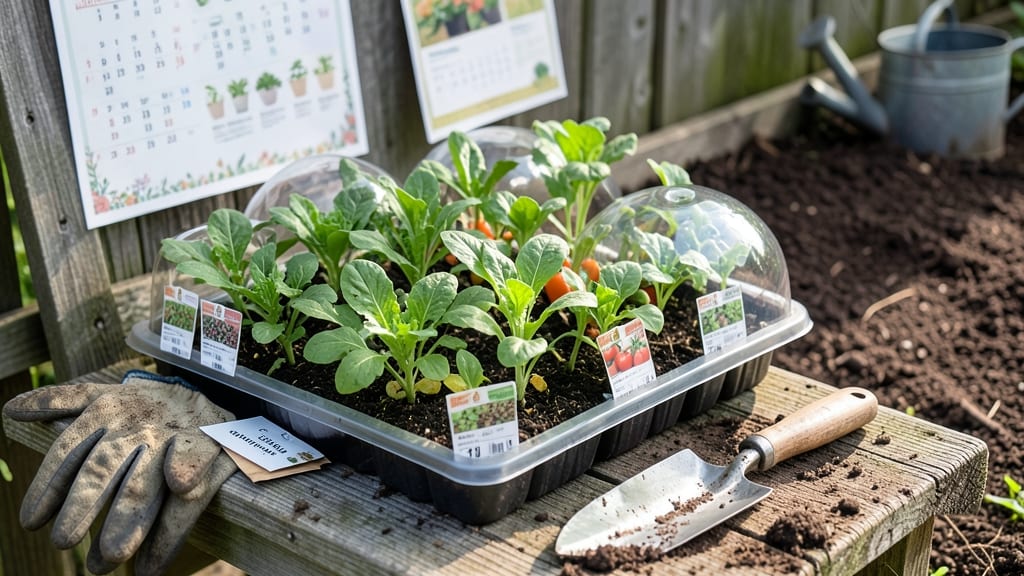
The best time to start a vegetable garden depends on your USDA zone and the types of crops you're growing, but most gardeners in Zone 6a should begin in early spring—around March or April.
Timing your vegetable garden planting can make the difference between a bountiful harvest and a frustrating failure—yet most gardeners miss the optimal windows for their climate zone.
In Zone 6a, where frost typically lingers until mid-April, cool-season crops like lettuce and peas thrive when planted as early as February, while warm-season favorites like tomatoes and peppers need to wait until after the last frost.
Below, I’ll break down the exact planting windows for your zone, how to adjust for early or late starts, and the top 5 fast-growing vegetables that let you stretch your season for maximum yield.
Best planting times by USDA hardiness Zones: exact dates for maximum yield
Getting your vegetable garden's planting timeline right depends entirely on your USDA hardiness zone—and even then, coastal vs. inland climates can shift those dates by weeks.
I’ve spent years tracking frost-free dates across Zones 3-11 to help you pinpoint the optimal planting windows for both cool-season and warm-season crops. These aren’t just guesses; they’re based on real data from local extension offices and gardening trials.
For example, in Zone 5, your last frost date might be May 10, but in nearby Zone 6, it’s April 15. That single month difference means the gap between success and failure for heat-loving tomatoes. Let’s break down the exact dates you need, adjusted for regional microclimates.
🌱 Pro Tip: Always calculate your frost-free date by averaging the last spring frost over 5 years. Use the National Oceanic and Atmospheric Administration (NOAA) frost maps or your local Cooperative Extension Service for precise data.
| USDA Zone | Cool-Season Start (Indoors) | Cool-Season Plant Out | Warm-Season Start (Indoors) | Warm-Season Plant Out | Fall Planting Window |
|---|---|---|---|---|---|
| Zone 3 (-40°F to -30°F) | March 1 (indoors) | May 15 | April 15 (indoors) | June 1 | August 1 - September 1 |
| Zone 4 (-30°F to -20°F) | February 28 (indoors) | April 30 | March 15 (indoors) | May 15 | July 15 - August 15 |
| Zone 5 (-20°F to -10°F) | February 15 (indoors) | April 15 | March 1 (indoors) | May 1 | July 1 - August 1 |
| Zone 6 (-10°F to 0°F) | January 31 (indoors) | March 15 | February 15 (indoors) | April 15 | June 15 - July 15 |
| Zone 7 (0°F to 10°F) | January 1 (indoors) | February 28 | January 1 (indoors) | March 15 | May 15 - June 15 |
| Zone 8 (10°F to 20°F) | December 15 (indoors) | January 31 | November 15 (indoors) | February 15 |
How to adjust planting for early vs. late starts: avoiding common mistakesAdjusting your planting schedule based on early or late starts can mean the difference between a thriving garden and one that struggles. In Zone 6a, where frost dates fluctuate, knowing when to push your planting window or delay it is crucial for success. For example, cool-season crops like spinach or kale can handle light frosts, while warm-season tomatoes or peppers will bolt if planted too soon. Succession planting is your secret weapon for extending harvests. By staggering plantings every 2-3 weeks, you ensure a continuous supply of fresh produce. For instance, planting lettuce in early spring, again in late summer, and even in early fall (before frost) can give you three harvests in one season. This technique works especially well for fast-growing crops like radishes or green onions. High-altitude gardens and microclimates add another layer of complexity. If you're in a mountainous region, temperatures drop faster, so warm-season crops may need to be planted 2-3 weeks later than in lower elevations. Conversely, urban areas surrounded by concrete ("heat islands") can be 5-10°F warmer, allowing earlier starts for heat-loving plants like eggplants or okra. ⚠️ callout-warning ⚠️ Warning Signs of Planting Too Early or LatePlanting at the wrong time often leads to visible stress in your crops. Here’s what to watch for:
Action: If you spot these signs, adjust your schedule or use row covers to protect early plants from frost. For fall harvests, aim to plant warm-season crops like bush beans or squash by early August in Zone 6a. These crops thrive in the cooler temperatures of late summer and can produce a second harvest before frost. Use a frost calendar to calculate your first frost date and work backward—most warm-season crops need 60-90 days to mature. If you’re unsure about your local microclimate, conduct a simple test: Place a soil thermometer in your garden bed. Warm-season crops need soil temperatures of at least 60°F to germinate properly. If your soil is cooler, wait or use black plastic mulch to warm it up faster. For cool-season crops, soil temps below 50°F can slow growth, so plan accordingly. One of my biggest mistakes early on was rushing to plant tomatoes as soon as the ground was workable. I learned the hard way that waiting until the soil and air temperatures are consistently above 55°F prevents blossom end rot and ensures stronger plants. Patience pays off—your garden will thank you with bigger yields and healthier crops. |