Watering
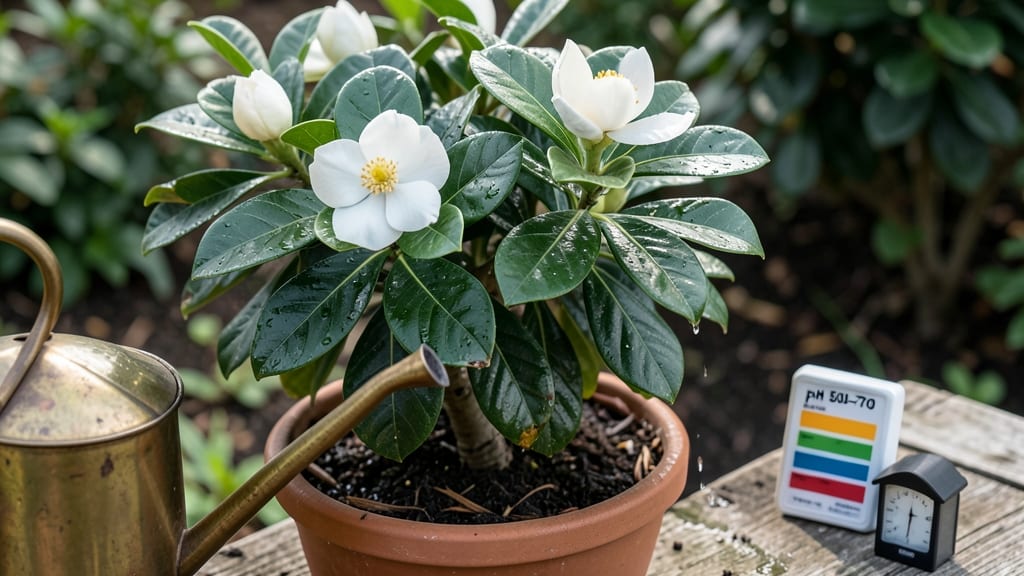
Watering a gardenia plant the right way is the key to those glossy leaves and fragrant blooms you love — and it’s easier than you think.
Struggling to keep your gardenia thriving? The secret lies in consistent moisture, not drowning the roots or letting the soil dry out completely. Too much water causes root rot, while too little leads to wilting and brown spots — and neither looks good on your 🌸 gardenia.
Most gardeners overcomplicate it, but the real trick is simple: deep, infrequent watering that keeps the soil moist but not soggy.
I’ll show you exactly how often to water, what signs to watch for, and how to adjust for summer heat or winter dormancy — so you can finally grow a gardenia that stays lush and blooms like crazy.
Ready to master the art? You’ll learn the perfect schedule, the best times to water, and how to spot trouble before it starts. Let’s get those roots happy and those flowers popping!


Ideal watering schedule for gardenia plants: when and how often
Gardenia plants thrive when given the right amount of water at the right time—think of it as their daily hydration ritual. Unlike drought-tolerant succulents, gardenias demand consistent moisture to fuel their glossy foliage and fragrant blooms.
The key lies in balancing hydration without drowning their delicate roots, which are prone to root rot when waterlogged. Let’s break down the science behind their watering needs so you can keep your gardenia lush and blooming year-round.
Watering gardenias isn’t a one-size-fits-all task—it shifts with the seasons, climate, and plant maturity. For instance, a young gardenia in a pot needs more frequent watering than a mature shrub planted in the ground.
Even the time of day you water matters: morning sessions reduce evaporation and fungal risks, while evening watering can leave leaves damp overnight, inviting powdery mildew.
Below, we’ll cover the optimal watering schedule, how to check soil moisture, and what to watch for when your gardenia is thirsty or overwatered.
| Season | Frequency | Soil Moisture Check | Best Time to Water | Signs of Stress |
|---|---|---|---|---|
| Spring | Every 2 days | Top 1-2 inches dry | Morning (6-9 AM) | Drooping leaves, slow growth |
| Summer | Daily or every other day | Top 1 inch dry | Early morning (before 10 AM) | Yellowing leaves, wilting |
| Fall | Every 3-4 days | Top 2 inches dry | Morning or late afternoon | Brown leaf edges, fewer blooms |
| Winter | Bi-weekly | Top 3 inches dry | Morning (avoid frost) | Shriveling leaves, blackened stems |
| Potted Gardenias | Every 1-2 days (summer) | Top 1 inch dry | Morning only | Root rot (mushy stems), wilting |
To nail your gardenia’s watering routine, start by testing soil moisture with your finger. Stick it about 1-2 inches deep—if it feels dry, it’s time to water.
For potted gardenias, lift the pot: if it’s lightweight, the soil is dry. Deep watering is critical; aim to saturate the root zone until water drains out the bottom. This encourages roots to grow downward, making your gardenia more resilient.
A well-draining soil mix with peat moss or perlite helps prevent soggy conditions that lead to root rot.
One of the biggest mistakes gardeners make is watering on a schedule without checking the soil. Gardenias in humid climates may need less frequent watering, while those in dry, windy areas will dry out faster.
Pay attention to your plant’s signals: wilting leaves usually mean it’s thirsty, but yellowing leaves often signal overwatering. If the soil stays soggy for more than a day, reduce watering immediately and ensure the pot has drainage holes.
Mulching around the base can also help retain moisture and regulate soil temperature.
Morning watering is your gardenia’s best friend—it gives the plant time to absorb moisture before the heat of the day causes evaporation. Avoid watering at night or evening, as damp leaves can attract pests like spider mites or fungal diseases.
If you must water in the evening, do so late enough that leaves dry by nightfall. For container gardenias, place them on a drip tray to catch excess water and prevent root suffocation.
Remember, gardenias are tropical plants that love consistency, so aim for a routine that keeps their soil evenly moist but never waterlogged.
Seasonal changes demand adjustments to your watering habits. In summer’s peak heat, you might need to water daily, especially if your gardenia is in a sunny spot. During winter dormancy, cut back to bi-weekly watering unless you’re in a mild climate.
If your gardenia is outdoor in winter, protect it from frost by watering only when the soil is visibly dry and avoiding icy conditions. Indoor gardenias may also need less water in winter
Pro tips to perfect your gardenia watering technique
Mastering the deep watering technique is what separates a struggling gardenia from a thriving one. Most gardeners make the mistake of light, frequent watering, which leads to shallow roots and weak growth.
Instead, we want to encourage those roots to dive deep—1-2 inches below the soil surface—where they’ll find the moisture they crave.
Start by sticking your finger 2 inches into the soil. If it feels dry at that depth, it’s time to water. For container gardenias, check the weight—when the pot feels light, it’s thirsty.
The goal is to water until you see moisture drain from the bottom of the pot or container, ensuring the entire root zone gets hydrated.
Signs of root rot: Yellow leaves, mushy stems, foul odor from soil. Fix it: Let soil dry completely between waterings and repot in fresh, well-draining mix. If severe, trim blackened roots and treat with fungicide.
For proper soil drainage, amend your gardenia’s soil with perlite or orchid bark (20-30%) to prevent compaction. Gardenias hate soggy feet—water should flow freely through the soil, not pool at the bottom. If you notice water sitting in the saucer for more than 30 minutes, your drainage needs improvement.
Busy gardeners swear by self-watering systems or moisture meters to maintain consistency. A simple drip irrigation line buried near the root zone works wonders, while moisture meters (like the XLUX Soil Moisture Meter) take the guesswork out of when to water.
Even a DIY wick system in containers can automate hydration for weeks.
Adjust your technique based on your climate and season. In summer, you may need to water every 1-2 days during heatwaves, while winter slows water needs to every 2 weeks.
Always water in the early morning to reduce evaporation and fungal risks—never at night when humidity traps moisture on leaves.
Watch for chlorosis signs: Yellow leaves with green veins often mean poor drainage or overwatering. Brown leaf edges? That’s usually underwatering or fluoride in tap water (use rainwater or distilled water instead). With these tips, your gardenia will reward you with glossy leaves and abundant blooms all season long.