
Pests
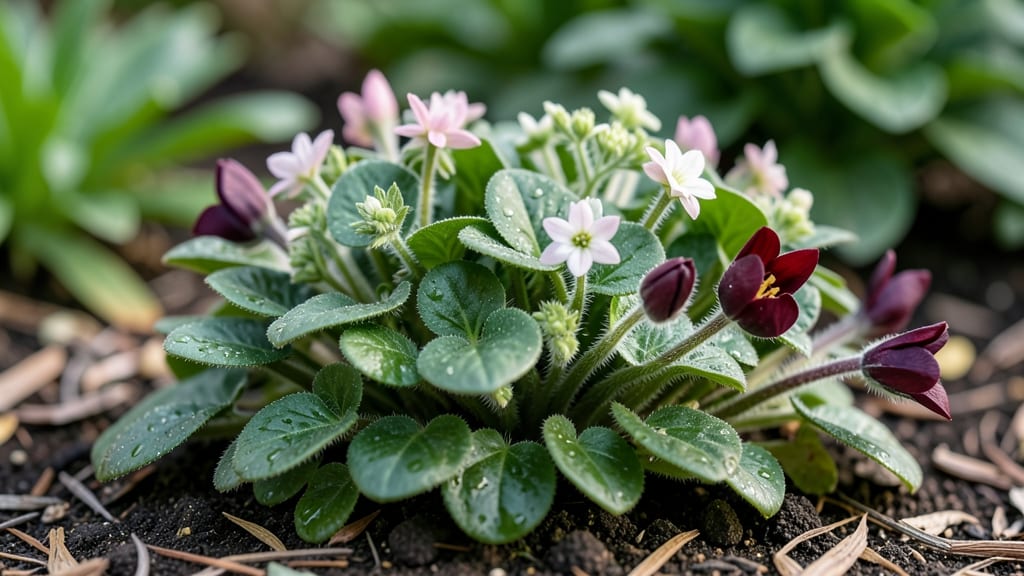
A squirrel-proof garden combines physical barriers like chicken wire or mesh fencing, natural repellents such as daffodils and marigolds, and smart placement of bird feeders away from planting areas. Avoid leaving overripe fruit or nuts exposed, and install motion-activated sprinklers for added protection.
A squirrel-proof garden isn't just about stopping them from digging—it's about understanding their behavior. 🐿️ These critters are drawn to easy meals and nesting spots, so combining multiple strategies works best.
For example, a 6-foot-tall fence with outward-facing spikes deters climbers, while daffodil bulbs release toxins that repel them from the soil. Even small changes, like burying trash cans or securing compost bins, can make a big difference.
The key is consistency: squirrels are persistent, so you'll need to reinforce barriers seasonally, especially before fall when they start stockpiling food.
Many gardeners also swear by motion-activated sprinklers, which startle squirrels without harming them. I've found that placing these near high-traffic areas—like vegetable patches or flower beds—cuts down on digging within weeks.
And don't underestimate the power of distraction: a dedicated squirrel feeder placed far from your garden can redirect their attention entirely. The goal is to make your garden less appealing than the alternatives.
💡 In This Article
- How Squirrels Invade Gardens and What Triggers Their Behavior
- Best Physical and Botanical Barriers for Squirrel-Proof Planting
How squirrels invade gardens and what triggers their behavior
Squirrels invade gardens primarily for two reasons: food and nesting materials. During spring and summer, they dig up flower beds searching for grubs, bulbs, and seeds, while in fall they focus on storing nuts and acorns for winter.
Their keen sense of smell—capable of detecting food sources from up to 30 feet away—makes overripe fruit, fallen nuts, and even compost piles irresistible. 🐿️ Movement also triggers their curiosity; rustling plants or disturbed soil can signal an easy meal, prompting them to investigate and dig.
The problem with many traditional deterrents is that squirrels are highly adaptable. Spraying peppermint oil or predator urine might work short-term, but they quickly learn to associate these scents with danger and avoid the treated areas. Physical barriers, however, are more effective because they remove the temptation entirely.
For example, a hardware cloth fence buried at least 12 inches deep prevents digging, while outward-facing spikes on top deter climbing. Even the texture matters—squirrels dislike rough surfaces, so adding wire mesh to tree trunks can stop them from stripping bark.
Seasonal behavior plays a huge role in their garden raids. In early spring, squirrels are most active during dawn and dusk when temperatures are cooler, making these the best times to monitor and reinforce barriers.
By late summer, they shift focus to food storage, often burying nuts in lawns or garden beds—this is why mulch should be kept to a minimum around vulnerable plants.
Understanding these patterns helps you time your defenses: installing motion-activated sprinklers in late summer can disrupt their digging habits before they start caching food.
Another critical trigger is scent. Squirrels rely heavily on smell to locate food, which is why overripe produce or spilled birdseed can attract them from blocks away. Even the scent of human food waste (like discarded pizza crusts) can lure them into gardens.
This is why securing trash cans with locking lids and avoiding compost piles with meat scraps is essential. The goal is to eliminate all olfactory cues that might signal an easy meal. 🌿
Finally, squirrels are social creatures, and their behavior is often influenced by what their peers are doing. If one squirrel succeeds in raiding a garden, others will follow. This herd mentality means that isolated deterrents—like a single repellent plant—won't work.
You need a multi-layered approach: combine physical barriers, repellent plants, and scent distractions to create an environment that feels inhospitable.
For instance, planting daffodils (which contain lycorine, a natural squirrel repellent) around vulnerable areas while also installing a 6-foot-tall fence with outward-facing spikes creates a double deterrent that's far more effective than either method alone.
One often-overlooked factor is the role of bird feeders. Squirrels are opportunistic climbers, and feeders placed near trees or fences give them easy access to your garden. Moving feeders at least 15 feet away from planting areas and using squirrel-proof feeders with weighted perches can significantly reduce their presence.
The key is to make your garden less appealing than the alternatives—if they can find easier meals elsewhere, they'll leave yours alone. 🌳