
Tools
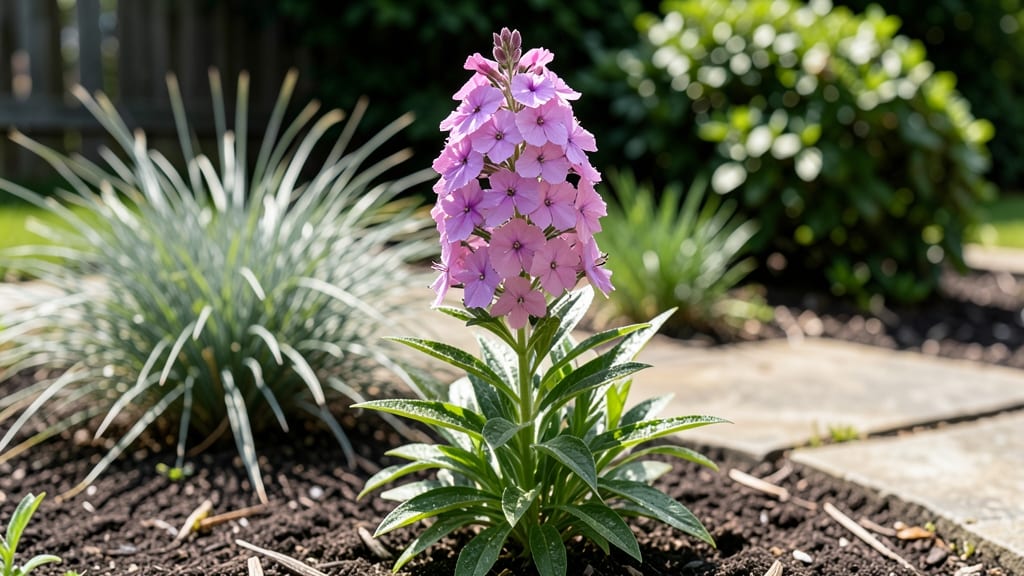
Growing the tallest varieties of garden phlox 🌸 can transform your garden into a vertical masterpiece, with some cultivars reaching heights of 5 feet or more.
If you're dreaming of a dramatic, eye-catching garden border that reaches skyward, the tallest garden phlox varieties could be your secret weapon—some even soaring to 6 feet or taller with vibrant blooms that attract pollinators all summer long.
But achieving that towering height isn’t just about picking the right variety—it’s also about giving your phlox the perfect growing conditions. From soil prep to strategic pruning, small tweaks can make a huge difference in how tall your plants grow.
In this guide, I’ll walk you through the 5 tallest garden phlox varieties, the proven techniques to maximize their height, and how to avoid common pitfalls that keep them from reaching their full potential.
5 Tallest garden phlox varieties that exceed 5 feet in height
If you're dreaming of a dramatic, eye-catching garden border that reaches skyward, the tallest garden phlox varieties could be your secret weapon—some even soaring to 6 feet or taller with vibrant blooms that attract pollinators all summer long.
These towering Phlox paniculata cultivars create stunning vertical displays that transform any garden into a breathtaking landscape. Whether you're designing a backyard privacy screen or a cutting garden focal point, these varieties deliver both height and abundant color.
Growing tall garden phlox successfully requires understanding their unique growth habits and ideal conditions. These varieties thrive in well-draining soil with full sun exposure, but they also need proper staking and pruning to maintain their impressive stature.
In this guide, we'll explore the five most impressive varieties that regularly exceed 5 feet in height, along with their care requirements to help you achieve sky-high blooms.
🌸 Pro Tip: For maximum height, plant these varieties in moist, fertile soil with regular deadheading to encourage continuous flowering throughout the season.
| Variety | Mature Height | Bloom Colors | Growth Habit | Sun Needs |
|---|---|---|---|---|
| 'David' | 5-6 ft | Deep pink | Upright, dense clusters | Full sun |
| 'Lipstick' | 5-6 ft | Crimson | Sturdy stems, compact | Full sun |
| 'Blue Paradise' | 5-6 ft | Violet-blue | Airier, slightly spreading | Full sun |
| 'White Delight' | 5-6 ft | Pure white | Tall, elegant spikes | Full sun |
| 'Olga' | 5-6 ft | Lavender-pink | Strong, upright growth | Full sun |
'David' is one of the most reliable tall phlox varieties, consistently reaching 5-6 feet with deep pink blooms that attract hummingbirds and butterflies. This variety thrives in USDA zones 4-8 and produces dense flower clusters that create a stunning vertical effect.
For best results, plant 'David' in well-amended soil with regular watering during the growing season.
'Lipstick' is another standout with crimson blooms that create a dramatic focal point in any garden. This variety is particularly disease-resistant, making it ideal for humid climates where powdery mildew can be an issue.
Its sturdy stems require minimal staking, though adding support stakes can help prevent flopping in windy conditions.
'Blue Paradise' offers a cool-toned alternative with violet-blue blooms that pair beautifully with silver foliage plants. This variety has a slightly airier growth habit compared to others, making it perfect for light, feathery garden textures.
To maximize its height, ensure it receives at least 6 hours of direct sunlight daily.
'White Delight' is a classic choice for gardeners seeking elegant white blooms that brighten shady areas. Its tall, elegant spikes create a romantic, cottage-garden feel while attracting beneficial pollinators. This variety benefits from regular deadheading to encourage continuous flowering throughout the summer.
'Olga' combines lavender-pink blooms with strong upright growth, making it ideal for backyard borders or cutting gardens. Its compact yet tall stature ensures it doesn't flop over, even in windy locations. For best results, plant 'Olga' in well-draining soil with a balanced fertilizer applied in early spring.
To encourage these varieties to reach their maximum height potential, focus on soil preparation, proper sunlight exposure, and
How to grow extra-tall phlox: pro tips for sky-high blooms
To coax your garden phlox into reaching its maximum height potential, you’ll need more than just good luck—it’s all about the right conditions and a little extra care. Phlox paniculata, especially the towering varieties, thrives when given the perfect mix of sunlight exposure, nutrient-rich soil, and strategic pruning.
I’ve learned that even the most robust varieties need support to stand tall, especially in windy or rainy climates.
Start by choosing a location with at least 6 hours of full sun daily—this is non-negotiable for encouraging vertical growth. Without adequate sunlight, your phlox will struggle to develop the sturdy stems needed to support those heavy flower clusters.
I’ve seen phlox in partial shade max out at 3 feet, while those basking in full sun often hit 5-6 feet with proper care.
For 6-foot phlox, mix compost into the soil at planting (aim for 3-4 inches deep) and add a balanced 10-10-10 fertilizer in early spring. Use bamboo stakes or tomato cages to support stems—insert them 6 inches deep at planting to avoid damaging roots later.
When it comes to soil preparation, I swear by amending the ground with organic matter like compost or well-rotted manure. Phlox loves moist but well-draining soil with a pH between 6.0 and 7.0.
If your soil is heavy clay, consider planting in a raised bed or mounding native soil over a layer of gravel to improve drainage. Poor drainage is the #1 reason tall phlox flops over or develops root rot.
Don’t skip the pruning strategy—this is where many gardeners miss the mark. After the first flush of blooms fades (usually in mid-summer), cut back the stems by one-third to encourage a second round of growth.
I prune mine in early July, and it always triggers another burst of vibrant blooms by late August. Just be sure to wear gloves—phlox sap can irritate sensitive skin!
Watering is another critical factor for height. Young plants need consistent moisture, especially during their first growing season. I water mine deeply 2-3 times per week during dry spells, focusing on the soil around the roots rather than wetting the foliage.
Overhead watering can lead to fungal diseases like powdery mildew, which weakens stems and reduces height potential.
Finally, don’t forget seasonal care to maintain those towering stems. In fall, cut back the foliage to 6 inches tall and apply a 2-inch layer of mulch to protect roots from freezing.
I’ve found that overwintered phlox rebounds stronger the following spring, often reaching new height records. With these techniques, your tallest garden phlox will be the star of your summer garden!