
Advice
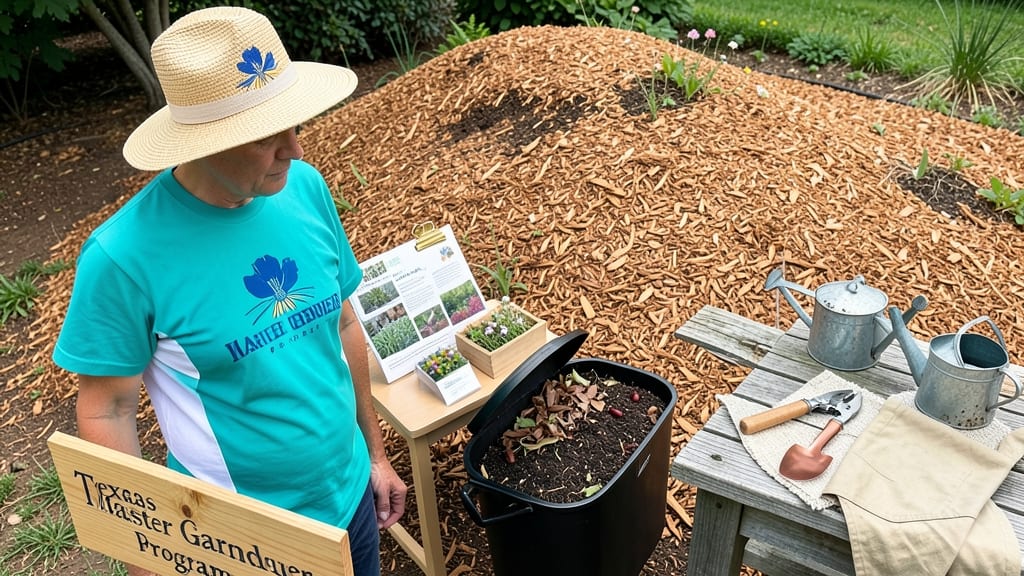
The Texas Master Gardener Program trains volunteers to expand their horticultural knowledge through intensive coursework, then applies their expertise to community gardening projects, education, and sustainable landscape initiatives. Participants gain certification after completing 40+ hours of training and 50+ hours of volunteer service.
The Texas Master Gardener Program is designed for gardening enthusiasts who want to deepen their expertise while giving back to their communities. 🌿 This initiative covers everything from plant biology to pest management, with a focus on Texas-specific challenges like drought-resistant landscaping and native plant ecosystems.
What sets it apart is the hands-on approach—participants don’t just learn theory; they apply it through real projects, from school gardens to urban greening initiatives.
Beyond the classroom, the program fosters a network of passionate gardeners who collaborate on research-based solutions. Whether you're a beginner eager to learn or an experienced gardener looking to mentor others, the program offers structured pathways to make a tangible impact.
The certification process ensures you’re equipped with evidence-based techniques that go beyond typical gardening advice.
What’s particularly rewarding is how the program bridges knowledge and action. Many graduates become go-to resources for local agricultural extensions, helping neighbors solve problems like soil depletion or invasive species.
If you’ve ever wanted to turn your green thumb into a community asset, this is your chance to grow—both personally and professionally.
💡 In This Article
- Texas Master Gardener Training Curriculum Breakdown
- How to Apply for the Texas Master Gardener Program
Texas Master Gardener training curriculum breakdown
The Texas Master Gardener Program curriculum is meticulously designed to blend scientific principles with practical applications, ensuring graduates are well-versed in both theory and hands-on techniques.
At its core, the program covers foundational topics like plant anatomy, physiology, and taxonomy, but dives deep into Texas-specific challenges—such as managing Bermuda grass invasions or nurturing native plants like Texas bluebonnets in drought conditions.
The curriculum also emphasizes sustainable practices, including water conservation methods like drip irrigation systems and composting techniques tailored to the state’s unique climate zones.
One of the standout features is the focus on soil science, where participants learn to analyze soil composition using tools like pH meters and texture tests.
For example, Texas soils often struggle with calcium deficiency or compacted clay layers, and the training teaches how to amend these issues with organic matter or gypsum.
Pest management is another critical module, where you’ll study integrated pest management (IPM) strategies—like using beneficial nematodes to combat root-knot worms—rather than relying on chemical pesticides. 🌱 The hands-on training includes field trips to research stations and demonstration gardens, where you’ll observe techniques like pruning fruit trees or diagnosing plant diseases in real time.
What makes the curriculum so effective is its balance of classroom learning and practical exercises. For instance, during the 12-week training period, you’ll spend 40 hours in lectures and labs, followed by 50+ hours of volunteer work to apply what you’ve learned.
The program also incorporates case studies, such as restoring a post-hurricane landscape or designing a pollinator-friendly garden, which helps you see how concepts translate to real-world scenarios.
By the end, you’ll have a toolkit of evidence-based solutions—like calculating irrigation efficiency or identifying nutrient deficiencies in plants—that set you apart from casual gardeners.
The curriculum also addresses advanced topics like urban forestry and community garden management, preparing you to lead projects that address local needs. For example, in Houston’s urban heat islands, Master Gardeners often collaborate with city planners to introduce shade trees and green roofs.
The training even covers grant writing and public speaking, so you can advocate for gardening initiatives in your community. This holistic approach ensures you’re not just a gardener but a resource for sustainable landscaping and environmental stewardship. 💚
One often-overlooked aspect is the program’s emphasis on continuous learning. After certification, you’ll join a network of 10,000+ Texas Master Gardeners who share updates on new research, pests, and techniques through regional workshops and online forums.
For example, if a new fungal disease emerges in your area, you’ll receive training on identification and treatment before it spreads widely. This ongoing education keeps your skills sharp and ensures you’re always up-to-date with the latest horticultural advancements.
To illustrate the curriculum’s depth, consider the module on water-wise gardening. Here, you’ll learn to calculate a plant’s water needs based on evapotranspiration rates (a measure of water loss to the atmosphere) and design landscapes that use up to 50% less water than traditional gardens.
You’ll also explore tools like rainwater harvesting systems and mulching techniques that reduce evaporation. These skills are particularly valuable in Texas, where water conservation is a top priority, and they give you the confidence to advise neighbors on creating resilient gardens.
The program’s hands-on requirements ensure you don’t just memorize facts—you apply them. For example, during your volunteer service hours, you might assist in a school garden project, where you’ll teach children about plant life cycles while troubleshooting issues like aphid infestations or overwatering.
This practical experience reinforces your training and builds your credibility as a gardening expert in your community. 🌿 By the time you earn your certification, you’ll have the knowledge, skills, and real-world experience to make a meaningful impact on Texas’s green spaces.