
Advice
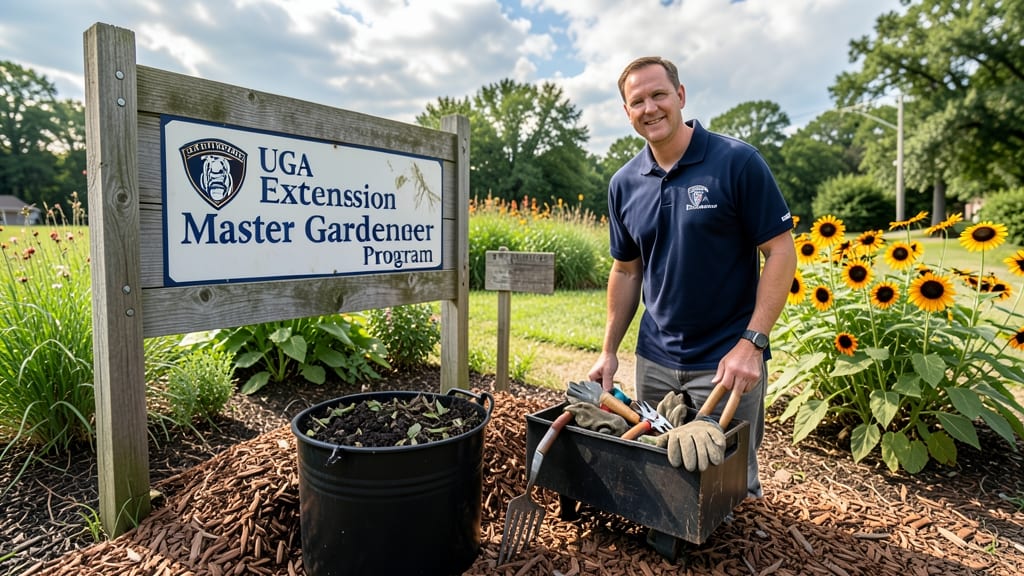
The Georgia Master Gardener Program certifies volunteers through a rigorous 60-hour training covering plant science, pest control, and sustainable gardening practices, plus 50 hours of community service to complete certification. Applications are accepted annually through University of Georgia Extension offices.
This program transforms gardening enthusiasts into community educators by blending hands-on horticulture skills with real-world problem-solving. 🌱 The curriculum dives deep into Georgia-specific challenges—like soil health in humid climates or managing invasive species—while preparing volunteers to advise home gardeners and support local agriculture.
What sets it apart is the direct connection to UGA research, ensuring participants learn cutting-edge techniques backed by science.
Once certified, graduates become ambassadors for sustainable practices, often working with schools, farmers markets, and urban green spaces. The 50-hour volunteer requirement isn't just a checkbox—it's where learning turns into impact, whether you're teaching kids about composting or helping seniors maintain their gardens.
Many alumni say the networking opportunities are just as valuable as the training itself.
💡 In This Article
- Georgia Master Gardener Certification Curriculum Breakdown
- How to Apply for Georgia’s Master Gardener Volunteer Training
Georgia master gardener certification curriculum breakdown
The Georgia Master Gardener Program curriculum is designed to equip volunteers with the scientific foundation needed to tackle real-world gardening challenges.
The 60-hour training dives into core subjects like botany, soil science, and plant pathology, but it also includes hands-on modules on Georgia-specific issues—such as managing fungal diseases in humid climates or identifying invasive plant species like kudzu. 🌿 What makes this program unique is its alignment with University of Georgia research, ensuring participants learn techniques backed by the latest agricultural science.
One of the standout features is the emphasis on sustainable practices, including organic pest control and water conservation. The curriculum covers topics like composting systems, integrated pest management (IPM), and native plant landscaping—all tailored to Georgia’s diverse ecosystems.
For example, participants study how to diagnose soil pH imbalances using simple tests and how to amend soil with local materials like pine bark or composted leaves. The program also includes a deep dive into plant health, teaching volunteers to recognize symptoms of diseases like powdery mildew or bacterial wilt.
Participants complete their training with a comprehensive exam that tests both theoretical knowledge and practical application. The exam includes multiple-choice questions on topics like plant physiology and case studies on diagnosing garden problems.
What’s often surprising to new applicants is how the program balances science with real-world problem-solving—many modules feature guest speakers from UGA Extension who share their fieldwork experiences. This approach ensures graduates aren’t just memorizing facts but learning how to apply them in community settings.
The curriculum also addresses Georgia’s unique agricultural challenges, such as dealing with pests like the spotted lanternfly or adapting gardening techniques for the state’s varied climates—from the coastal plains to the Appalachian foothills.
Volunteers learn how to create garden plans that account for local microclimates, including how to choose drought-resistant plants for the Piedmont region or salt-tolerant species for coastal areas. This regional focus is what sets Georgia’s program apart from others, giving graduates the tools to provide tailored advice to home gardeners.
Beyond the classroom, the program includes field trips to UGA research stations, botanical gardens, and demonstration plots where volunteers see firsthand how scientific principles translate into real gardens. These trips often feature hands-on activities, like soil testing or pruning demonstrations, which reinforce the training.
The program also encourages volunteers to document their learning through projects, such as creating educational displays or leading workshops in their communities.
What many graduates highlight is how the curriculum builds confidence in their gardening skills while fostering a sense of community. The training isn’t just about acquiring knowledge—it’s about preparing volunteers to become educators and advocates for sustainable gardening.
By the end of the program, participants are ready to tackle everything from diagnosing plant diseases to teaching children about the importance of pollinators, all while connecting their work to Georgia’s agricultural heritage. 🌱