
Vegetables
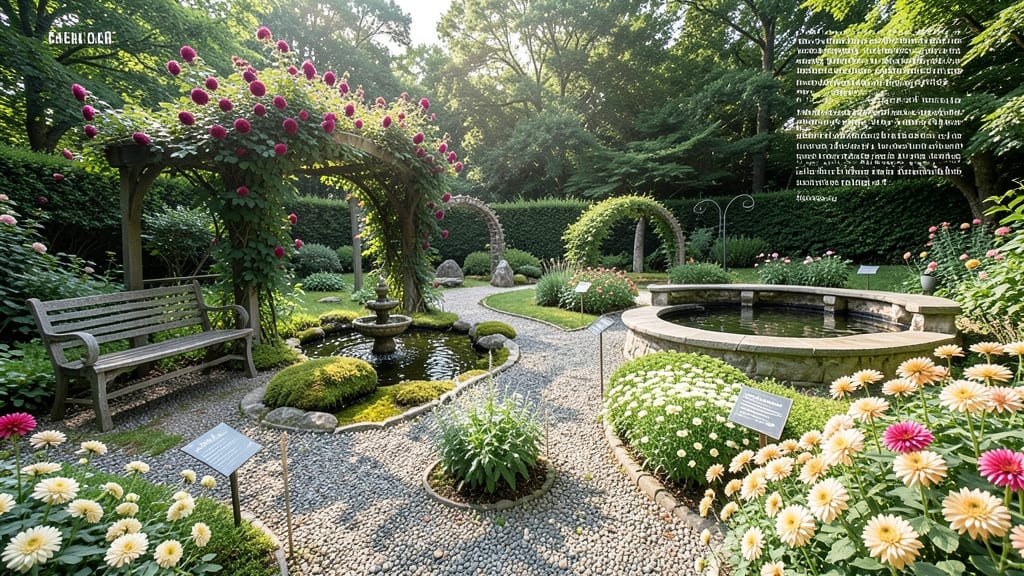
The Butchart Gardens in Victoria, BC, transforms into a breathtaking floral canvas year-round, featuring spring tulips, summer roses, autumn foliage, and winter holiday lights—all enhanced by the region's mild Pacific climate for optimal bloom conditions between May and September.
Victoria's coastal climate creates the perfect backdrop for Butchart Gardens' legendary displays, where each season unfolds like a living painting. 🌸 The gardens' strategic planting of Mediterranean, alpine, and temperate species ensures continuous color shifts, while sustainable irrigation systems preserve the delicate balance of this 55-acre showpiece.
What sets Butchart apart is its ability to blend natural beauty with horticultural innovation—think of it as a masterclass in seasonal storytelling through plants.
For visitors, timing truly matters. Spring brings the iconic Japanese gardens to life with cherry blossoms, while summer's rose displays rival any European garden. Autumn transforms the grounds into a fiery palette, and winter's Night Illuminations turn the gardens into a magical light spectacle.
Pro tip: Weekday visits avoid crowds, and pairing your trip with the nearby Butterfly Conservatory adds another layer of wonder to your day.
💡 In This Article
- Butchart Gardens Seasonal Planting Strategies and Ecosystems
- Best Times to Visit Butchart Gardens by Seasonal Event
Butchart gardens seasonal planting strategies and ecosystems
The Butchart Gardens' year-round beauty isn't just luck—it's a masterful blend of horticultural science and Victoria's unique USDA 8a-9a climate zones.
The gardens strategically plant Mediterranean species like lavender and rosemary that thrive in the region's dry summers, while alpine plants such as primulas and gentians are positioned in shaded, cooler microclimates that mimic their high-elevation habitats.
This zonal approach creates the perfect conditions for over 1,000 plant varieties to flourish simultaneously.
The color shifts you see throughout the year are carefully engineered through a technique called "sequential blooming." Gardeners plant species with staggered bloom times—like tulips in spring (March-April) followed by peonies (May-June) and then roses (June-August)—creating a continuous visual progression.
The mild Pacific coastal climate, with average summer temperatures around 68-72°F and winter lows rarely dropping below 32°F, allows for this extended growing season.
Even the irrigation system plays a role: drip irrigation delivers water precisely to plant roots while minimizing evaporation, conserving up to 30% more water than traditional sprinklers.
What's particularly fascinating is how the gardens replicate natural ecosystems within their 55 acres. The Japanese Garden, for instance, uses a combination of native BC plants and imported species that thrive in moist, shaded conditions—just like their counterparts in Japan.
Meanwhile, the Rose Garden's 10,000+ roses are selected for their ability to withstand Victoria's maritime climate while still producing vibrant blooms. The result? A living laboratory where each plant has its ideal growing conditions, creating the perfect backdrop for seasonal transformations.
Sustainability is woven into every strategy. The gardens use composted organic waste from their own kitchens and visitor facilities to enrich the soil, reducing the need for chemical fertilizers. Rainwater harvesting systems capture over 500,000 gallons annually, which is then filtered and reused for irrigation.
This closed-loop approach ensures the gardens remain vibrant while minimizing their environmental footprint—a model for other public gardens worldwide.
One often-overlooked detail is how the gardens leverage "plant layering" to create depth and texture. Tall trees like Douglas firs provide the upper canopy, while shrubs and perennials fill the middle layer, and ground covers complete the scene.
This three-dimensional approach not only enhances visual appeal but also mimics natural forest ecosystems, supporting biodiversity. The result is a garden that feels both wild and meticulously curated—a testament to the marriage of art and science.
For visitors, this careful planning means you're never just seeing flowers—you're experiencing a carefully orchestrated symphony of color, texture, and fragrance that changes with each season.
The gardens' ability to maintain this balance across Victoria's variable weather patterns (from sunny 25°C days to misty 10°C mornings) is what makes each visit feel like discovering a new masterpiece. 🌿