
Tools
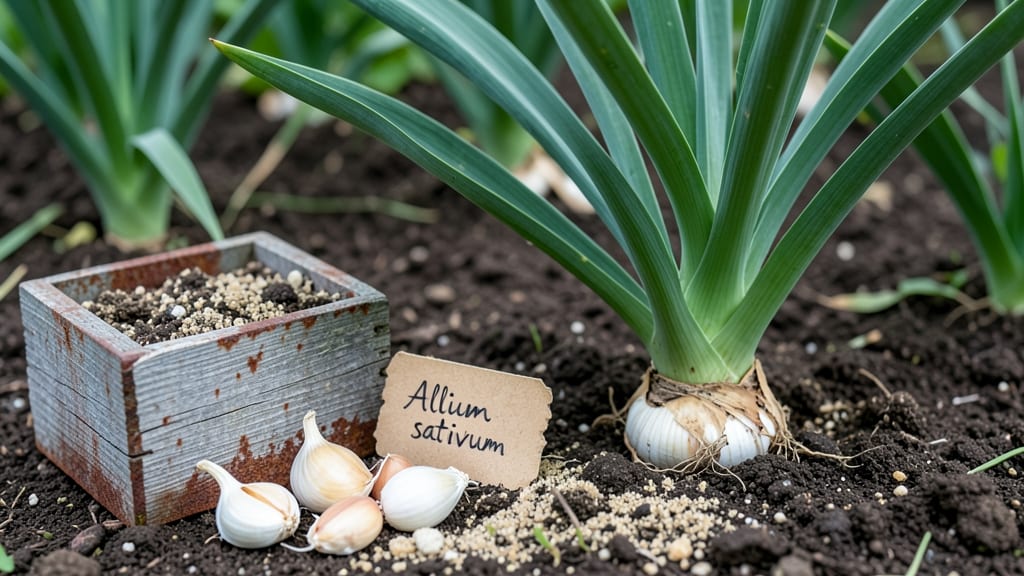
The Clove Garden Menu showcases seasonal farm-to-table dishes featuring fresh herbs, garden-grown spices, and heirloom vegetables, elevated with house-made infused oils and artisanal pairings. This menu reflects the chef’s commitment to sustainable sourcing and bold flavor profiles.
The Clove Garden Menu stands out for its deep connection between kitchen and garden, where every dish tells a story of seasonal foraging and culinary craftsmanship. 🌿 The chef’s signature techniques—like clove-infused oils and rosemary-roasted meats—transform simple ingredients into unforgettable experiences.
What makes this menu unique isn’t just the flavors, but the philosophy behind them: supporting local agriculture while celebrating nature’s bounty.
For home cooks looking to recreate this approach, focus on building a pantry of garden-fresh staples like thyme, bay leaf, and heirloom tomatoes. The key lies in balancing bold spices with delicate ingredients—think of the clove’s warmth complementing the crispness of fresh greens.
This menu proves that sustainability and sophistication can go hand-in-hand, one seasonal bite at a time.
💡 In This Article
- How Clove Garden’s Herb and Spice Blends Elevate Dishes
- Garden-to-Table Pairings: Chef’s Guide to Seasonal Menus
How clove garden’s herb and spice blends elevate dishes
Clove Garden’s menu thrives on the science of flavor chemistry, where spices like clove and rosemary don’t just season—they transform dishes through their volatile compounds. Cloves, for instance, contain eugenol, a compound that delivers both warmth and a subtle sweetness, while rosemary’s pinene and camphor add piney brightness.
When infused into oils, these spices release their aromatic molecules gradually, creating layers of flavor that linger long after the first bite. 🌿 For example, a clove-infused olive oil might start with a sharp, spicy kick but mellow into a velvety warmth when drizzled over roasted vegetables.
The real magic happens when these spices are paired with ingredients that complement their chemical profiles. Clove’s sweetness shines in dishes with caramelized onions or slow-cooked pork shoulder, where its natural sugars enhance the Maillard reaction (the browning process that creates depth).
Meanwhile, rosemary’s needle-like leaves release their oils best when crushed and paired with fatty proteins like lamb or duck, where its resinous notes cut through richness. The chef’s secret?
Harvesting herbs at their peak—thyme at 3-4 inches tall, rosemary just before flowering—and using them within 48 hours of picking to preserve their volatile compounds.
Seasonal foraging is another cornerstone of the menu’s success. In summer, fresh basil and cilantro brighten dishes with their high limonene content, while winter brings out earthy bay leaves and star anise, which contain anethole for a licorice-like depth.
The chef often uses a 3:1 ratio of herb to spice in blends, ensuring the herbs’ freshness dominates without overpowering.
For example, a blend of thyme, bay leaf, and a pinch of clove might be used to season a tomato-based sauce, where the thyme’s floral notes harmonize with the clove’s warmth while the bay leaf adds a subtle bitterness to balance sweetness.
Temperature plays a critical role in extracting these flavors. Clove-infused oils should be heated to 160-180°F to avoid burning, while rosemary benefits from high-heat roasting (400°F) to intensify its aroma. The chef also leverages the thermochromic properties of spices—how their colors change with heat—to signal when flavors are fully developed.
For instance, rosemary’s green hue deepens as it releases its oils, a visual cue that the dish is ready. 🔥 This attention to detail ensures every bite carries the garden’s essence.
Beyond flavor, these spices contribute to texture. Clove’s slight bitterness can help emulsify sauces, while rosemary’s fibrous stems add a pleasant crunch when finely chopped. The chef often finishes dishes with a sprinkle of toasted spices, which enhances their aroma through the Maillard reaction at the surface level.
For example, a sprinkle of toasted cloves on a chocolate dessert introduces a complex, almost smoky depth that contrasts with the sweetness. This dual role—flavor enhancer and textural element—makes these spices indispensable in the kitchen.
To replicate this approach at home, start with a small herb garden or visit local farmers' markets to source organic, pesticide-free herbs. Store them properly: wrap in a damp paper towel and refrigerate for up to 1 week, or freeze in olive oil for longer shelf life.
Experiment with ratios—begin with 1 teaspoon of spice per 1 cup of oil and adjust based on taste. The goal is to let the garden’s freshness take center stage, with spices acting as the perfect supporting cast. ✨