
Tools
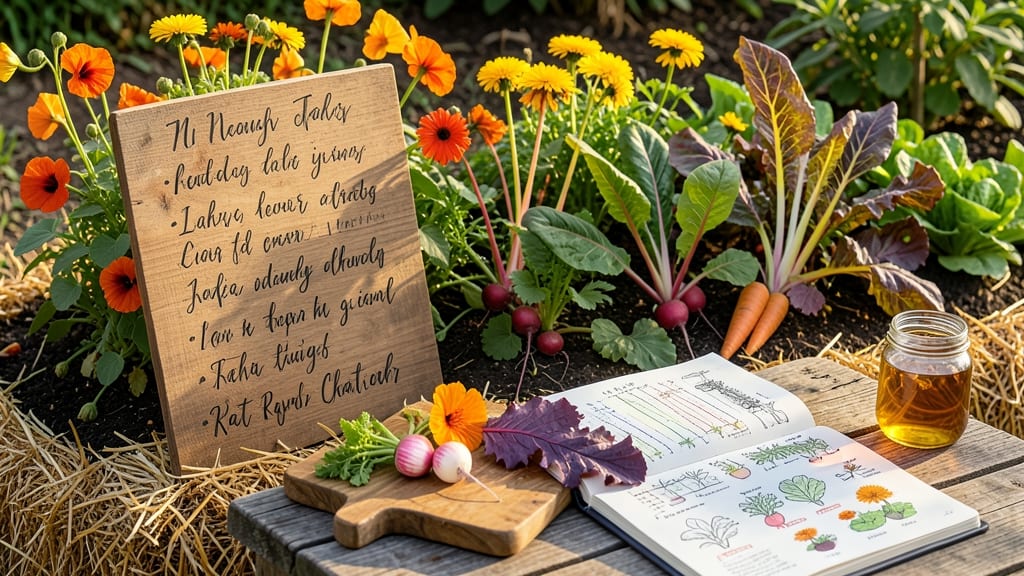
A rainbow garden menu pairs seasonal dishes with edible plants organized by color—like reds for antioxidants, greens for iron, and oranges for vitamin C—to craft vibrant, nutrient-packed meals straight from your garden harvest.
A rainbow garden menu isn't just about aesthetics—it's a strategic way to maximize nutrition from your harvest. 🌈 Each color group delivers unique health benefits: reds like tomatoes fight inflammation, greens such as spinach support blood health, and purples like eggplants offer cancer-fighting compounds.
The key is growing plants that naturally thrive together seasonally, ensuring peak flavor and nutrient density. For instance, pairing a summer salad with heirloom tomatoes and basil creates a perfect red-green combo while keeping prep simple.
This approach also makes meal planning effortless. When your garden produces a bounty of yellows (like corn) and oranges (like carrots) in fall, you can instantly create balanced dishes without extra shopping.
The visual appeal alone makes kids more likely to try new foods—just think of a colorful roasted veggie tray with every hue represented. Plus, seasonal planting means you're always working with the freshest, most flavorful ingredients available.
💡 In This Article
- How Color-Coded Plant Nutrition Boosts Meal Health
- Designing a Seasonal Rainbow Garden for Edible Landscaping
How color-coded plant nutrition boosts meal health
Each color in your garden isn't just pretty—it's packed with specific nutrients that work together to create balanced, health-boosting meals.
For example, red vegetables like tomatoes and bell peppers contain lycopene (a powerful antioxidant) and vitamin C, while green leafy plants such as spinach and kale provide iron, vitamin K, and folate.
The science behind this is that different pigments in plants correspond to unique phytonutrients—like anthocyanins in purple cabbage, which fight inflammation, or beta-carotene in orange carrots, which supports vision and immunity.
Seasonal availability plays a critical role in both flavor and nutrition. A summer salad with fresh red cherry tomatoes (rich in lycopene) and green basil (packed with antioxidants) will taste far more vibrant and nutritious than winter versions.
This is because plants produce more antioxidants when exposed to sunlight and warmth.
For instance, tomatoes grown in summer contain up to 30% more lycopene than those grown in cooler months. 🌞 The key is to align your garden planting with local growing seasons—think spring greens, summer reds, and fall oranges.
Diverse colors also enhance dietary balance by providing a wider range of nutrients. A meal featuring all six color groups (red, orange, yellow, green, blue/purple, and white) is more likely to cover all essential vitamins and minerals.
For example, a rainbow grain bowl with quinoa (white), roasted beets (red), broccoli (green), and golden corn (yellow) delivers a complete protein profile while maximizing phytonutrient diversity. This approach reduces the risk of nutritional gaps and makes meals more satisfying.
What most people don't realize is how color combinations can amplify nutrition. Pairing vitamin C-rich foods (like citrus or bell peppers) with iron-rich greens (such as Swiss chard) boosts iron absorption by up to 300%.
Similarly, healthy fats (from avocados or nuts) enhance the absorption of fat-soluble vitamins like vitamin A from carrots. These synergetic effects turn your garden harvest into a powerhouse of nutrition with minimal effort.
Consider this breakdown of key nutrients by color group:
- Reds: Lycopene (tomatoes), vitamin C (peppers), and antioxidants (strawberries)
- Greens: Iron (spinach), vitamin K (kale), and folate (broccoli)
- Oranges/Yellows: Beta-carotene (carrots), vitamin C (sweet potatoes), and lutein (corn)
- Purples/Blues: Anthocyanins (blueberries), resveratrol (grapes), and fiber (eggplant)
When you design meals around these color groups, you're not just creating beautiful plates—you're crafting a nutritional symphony that supports overall health. The best part? Your garden does the work for you by naturally producing these colors in seasonal waves. 🌈