
Tools
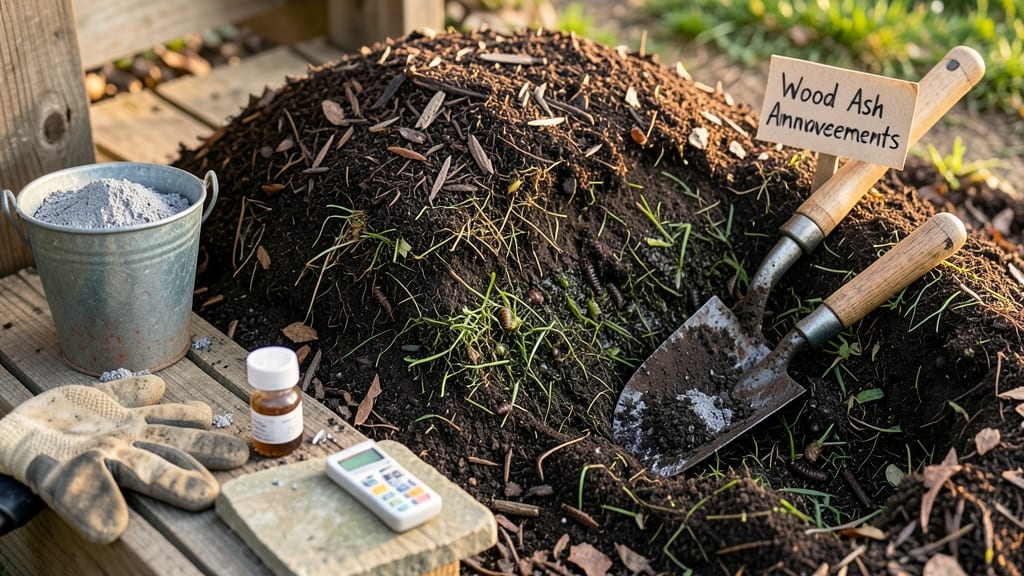
Is wood ash good for garden soil when applied carefully, since it boosts soil pH and adds essential minerals like potassium, calcium, and phosphorus—but too much can damage acid-loving plants like blueberries and azaleas while throwing off soil chemistry.
Using wood ash in your garden is like giving your soil a quick mineral boost, but it’s all about balance. 🌱 The alkaline nature of ash can neutralize overly acidic soil, which is great for vegetables like tomatoes or peppers that thrive in slightly alkaline conditions.
However, plants that love acidic soil—such as hydrangeas, rhododendrons, or blueberries—will suffer if you overdo it, as their roots need that lower pH to absorb nutrients properly. I always recommend testing your soil first and sticking to a light application, especially if you’re growing acid-loving plants.
For most gardeners, the key is moderation—think of wood ash as a supplement, not a primary soil amendment. A 1-2 pound application per 100 square feet is usually enough to make a difference without causing harm.
If you’re unsure, start small and monitor your plants’ response over a few weeks. And if you’re dealing with highly acidic soil, consider alternatives like compost or peat moss before reaching for the ash.
💡 In This Article
- How Wood Ash Affects Soil pH and Nutrient Balance
- Best Practices for Using Wood Ash in Different Plant Types
How wood ash affects soil pH and nutrient balance
Wood ash works as a natural soil amendment because it contains high levels of alkaline compounds, primarily calcium carbonate and potassium oxide.
When sprinkled on garden beds, these compounds react with acidic soil components like hydrogen ions, effectively raising the soil's pH. For example, a 1-pound application per 100 square feet can increase soil pH by 0.5 to 1.0 units, depending on your starting soil conditions.
This chemical reaction is what makes ash so effective for neutralizing overly acidic soil, which is common in regions with heavy rainfall or organic-rich compost.
The nutrient boost comes from three key minerals: potassium (5-10% by weight), calcium (20-30%), and trace amounts of phosphorus. Potassium helps plants regulate water and nutrient uptake, while calcium strengthens cell walls, reducing issues like blossom-end rot in tomatoes.
However, the phosphorus content is relatively low compared to commercial fertilizers, so don't expect dramatic growth spurts from ash alone. The real magic happens when these minerals become available to soil microbes, which then convert them into plant-accessible forms over time.
What most gardeners don't realize is how wood ash impacts soil microbial life. While the alkaline shift can temporarily reduce populations of acid-loving bacteria, it also creates an environment where beneficial fungi and earthworms thrive—critical for long-term soil health.
The key is balance: too much ash can make soil sterile by overwhelming microbial communities, while the right amount enhances their activity. Think of it like adding a pinch of baking soda to a recipe—just enough to balance flavors, but too much ruins the dish.
Soil texture plays a surprising role in how wood ash works. In sandy soils, ash particles disperse quickly, allowing minerals to integrate evenly. But in clay-heavy soil, ash can clump, creating uneven pH zones that may stress plants.
To avoid this, mix ash into the top 2-3 inches of soil rather than scattering it on the surface. This ensures even distribution and prevents localized alkalinity spikes that could burn plant roots. For container gardens, a 1-teaspoon application per gallon of soil is usually sufficient.
Timing matters too. The best time to apply wood ash is in early spring before planting or after harvesting, when soil is moist but not waterlogged. This gives minerals time to integrate without being washed away by heavy rains.
Avoid applying ash in fall, as the sudden pH shift can disrupt winter dormancy in some plants. And always water thoroughly after application to help minerals dissolve and move into the soil profile—this is where the real transformation happens.
For visual learners, imagine wood ash as a fine, grayish powder with a slightly gritty texture when dry. When mixed with moist soil, it dissolves into a milky suspension that gradually neutralizes acidity over 2-4 weeks.
The effect is subtle but measurable—your soil may go from a dark, peaty brown to a lighter, more crumbly texture as the pH stabilizes. This physical change is your sign that the ash is working as intended.