
Tools
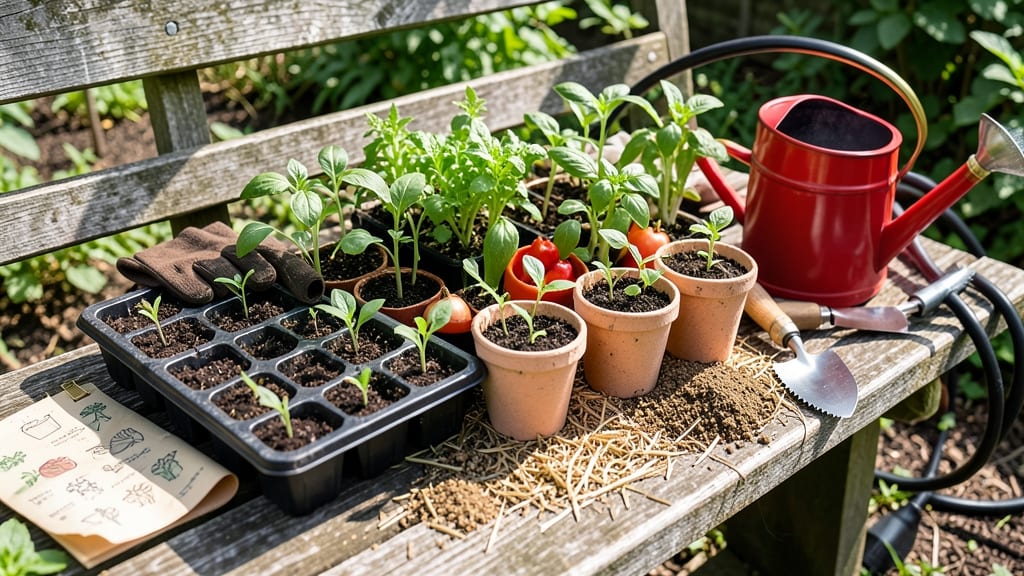
A vegetable garden planting schedule keeps your crops thriving by matching their needs to your local frost dates — the secret to avoiding wasted seeds and missed harvests.
Timing is everything in gardening—plant too early, and frost will wipe out your hard work; too late, and you’ll miss peak harvests. This schedule aligns your crops with your last frost date, ensuring a bountiful, well-organized growing season.
Whether you’re in USDA Zone 6 or a coastal area with milder winters, knowing when to sow seeds or transplant starts makes all the difference. I’ll walk you through the best planting windows for cool-season and warm-season crops, plus how to stretch your harvest with smart succession planting.
By the end, you’ll have a customized timeline that maximizes your garden’s potential, from early spring greens to late-summer tomatoes. Let’s get growing!

How to determine your last frost date and plan around it
Your last frost date is the backbone of your vegetable garden planting schedule. It determines when to start seeds indoors, transplant seedlings, and even which crops to prioritize. Without knowing this date, you risk losing tender plants to unexpected cold snaps or missing optimal harvest windows.
For example, in USDA Zone 6, the average last frost typically falls around April 15, but this can vary by 1-2 weeks depending on your exact location.
To find your precise date, check the National Weather Service or use online tools like the Old Farmer's Almanac frost calculator. These resources provide historical data for your ZIP code.
I also recommend cross-referencing with local gardeners or extension services—they often have firsthand insights about microclimates in your area that weather apps might miss. For instance, a valley might frost 5-7 days later than a hilltop just a few miles away.
Once you have your last frost date, adjust it for your garden's specific conditions. A south-facing slope warms up faster than a shaded spot, while low-lying areas may stay colder longer. I always add 3-5 days as a buffer to account for late frosts.
For example, if your official last frost is April 15, I wait until April 20 before planting frost-sensitive crops like tomatoes or peppers.
Here’s how to use your frost date to create a customized planting timeline:
🌱 6-8 weeks before last frost: Start cool-season crops (like broccoli or cabbage) indoors or in a greenhouse. These can handle cooler soil temperatures and even light frosts.
🌱 4-6 weeks before last frost: Direct-sow hardy vegetables such as peas, spinach, and lettuce outdoors. These thrive in cooler weather and can tolerate light frost.
🌱 2-3 weeks before last frost: Plant semi-hardy crops like kale, carrots, and radishes. These can handle brief chilly periods but prefer warmer soil.
🌱 After last frost: Transplant warm-season crops (e.g., tomatoes, peppers, cucumbers) once soil temperatures reach at least 60°F (15°C). Use row covers if nighttime temps dip below 50°F (10°C).
Don’t forget to plan for a first frost date in fall, too! This helps you schedule fall planting for crops like kale, brussels sprouts, and turnips, which thrive in cooler weather.
Many of these can be planted 8-10 weeks before your first frost for a late-season harvest. For example, if your first frost is October 31, aim to plant by August 20.
Pro tip: Use frost-free date calculators like the one from the USDA Plant Hardiness Zone Map to adjust for your specific elevation and local weather patterns. I once planted tomatoes in early May based on my official last frost date—only to lose them to a late frost.
After that, I started using a 14-day moving average of local weather data to refine my timeline. This small adjustment saved my garden the following year!
Finally, keep a gardening journal to track your actual frost dates over the years. Weather patterns shift, and your notes will help you fine-tune your schedule. For instance, I’ve noticed my last frost date has crept 3 days earlier each decade due to climate changes.
Adjusting my planting timeline accordingly has kept my harvests consistent despite shifting seasons.
By mastering your last frost date and accounting for microclimates, you’ll create a vegetable garden planting schedule that maximizes your growing season and minimizes risks. Happy planting! 🌱
Vegetable planting schedule by category: cool-season vs. warm-season crops
Understanding the difference between cool-season and warm-season crops is key to planning a productive vegetable garden. Cool-season crops thrive in 50-75°F soil and can handle light frosts, while warm-season crops need 60-85°F soil to germinate and grow. Knowing your last frost date helps you time plantings perfectly for your climate.
For example, in USDA Zone 6, cool-season crops like spinach and broccoli can be planted as early as 4-6 weeks before your last frost date, while warm-season crops like tomatoes and peppers should wait until 2 weeks after the last frost.
This timing ensures healthy growth and avoids frost damage.
| Category | Best Planting Time | Soil Temperature | Examples | Succession Tip |
|---|---|---|---|---|
| Cool-Season | 4-6 weeks before last frost or 6-8 weeks before first frost (fall) |
50-75°F | Spinach, Broccoli, Peas, Lettuce, Kale | Plant every 2-3 weeks for continuous harvests |
| Warm-Season | 2 weeks after last frost | 60-85°F | Tomatoes, Peppers, Cucumbers, Beans, Corn | Sow seeds every 2 weeks until 6-8 weeks before first frost |
Succession planting is a game-changer for maximizing your harvest. For cool-season crops, plant spinach or lettuce every 2-3 weeks from early spring through early summer. This ensures you have fresh greens even as temperatures rise.
For warm-season crops, extend your harvest by sowing beans or cucumbers every 2 weeks until mid-summer.
Don’t forget about fall planting! Many cool-season crops can be planted in late summer for a fall harvest. For example, broccoli and kale can be sown 6-8 weeks before your first frost date.
This gives them enough time to mature before winter sets in. Use row covers to protect young plants from early frosts.
If you’re in a warmer climate (e.g., USDA Zones 8-10), adjust your schedule to avoid summer heat stress. Plant warm-season crops in early spring or late summer to avoid peak heat. For cool-season crops, focus on fall and winter planting to take advantage of milder temperatures.
Pro tip: Keep a planting journal to track what works best in your garden. Note your last frost date, soil temperatures, and any adjustments you make each year. Over time, you’ll refine your schedule for the most successful harvests possible.