
Watering
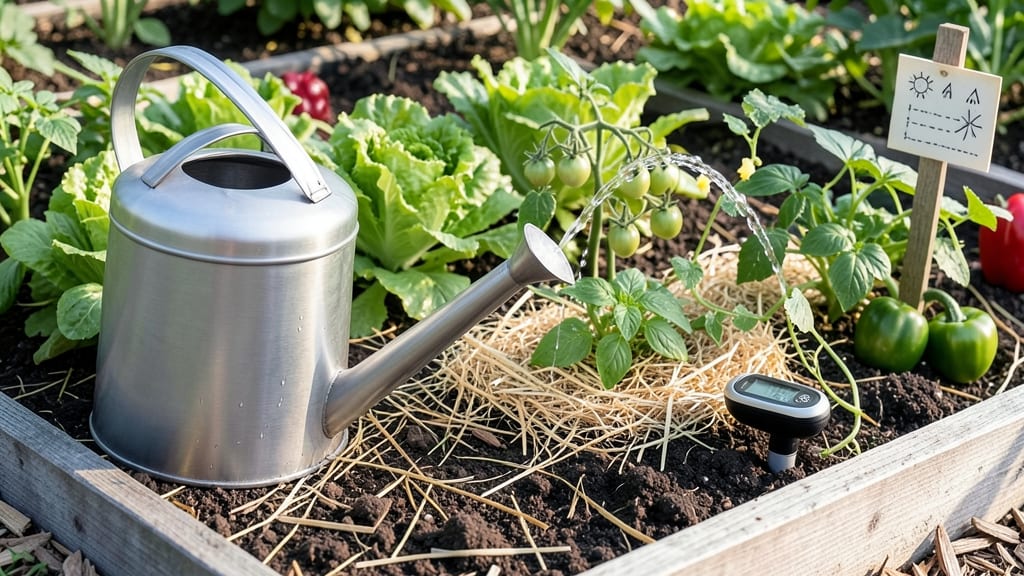
Your vegetable garden’s watering frequency depends on soil, season, and plant type—but guessing leads to wasted water or stunted growth.
Overwatering or underwatering your 🥬 can mean the difference between a thriving harvest and wilted disappointment. The soil test method reveals the exact watering frequency your plants truly need, saving time and resources while boosting growth.
Most gardeners water on a schedule, but soil moisture levels fluctuate based on heat, rain, and soil type. A simple finger-dip or moisture meter check tells you when to water—before stress shows up in yellowing leaves or cracked earth.
Below, I break down the science-backed watering intervals for 15+ common vegetables, plus how to adjust for drought, clay soil, and seasonal shifts. No more guesswork—just healthier plants and better yields.
How to test soil moisture for perfect vegetable garden watering frequency
Guessing how often to water your vegetable garden can lead to soggy roots or parched plants—both of which stunt growth and reduce yields. Instead, I rely on soil moisture tests to determine the exact watering frequency my vegetables need.
These simple methods reveal whether your soil is too dry, perfect, or waterlogged, helping you adjust your irrigation schedule with precision.
Different vegetables have unique watering needs: leafy greens like lettuce and spinach prefer consistently moist soil, while root crops such as carrots and potatoes need evenly moist but not soggy conditions. Even your soil type plays a role—clay holds moisture longer than sandy soil, which drains quickly.
By mastering these tests, you’ll water smarter, not harder, and keep your garden thriving all season long.
Here’s how to test soil moisture using three foolproof methods: the finger-dip test, the trowel check, and the moisture meter. Each method provides actionable insights tailored to your garden’s specific needs.
Stick your index finger 1-2 inches deep into the soil near your plants. If it feels dry at this depth, it’s time to water. For sandy soil, check deeper (2-3 inches), as it drains faster. Aim for soil that feels like a slightly damp sponge—not bone-dry or muddy.
Use a small trowel to dig a 2-inch-deep hole between plants. Scoop out a handful of soil and squeeze it gently. If it crumbles easily, water is needed. If it holds its shape but isn’t sticky, your soil is perfectly moist. For clay soil, let it dry slightly longer before watering to avoid compaction.
Insert the probes of a digital moisture meter into the soil to the recommended depth (usually 2-4 inches). Most meters display a percentage or moisture level. For vegetables, aim for a reading between 40-60%—below 30% means water now, while above 70% signals overwatering risk.
Sandy soil: Water more frequently (every 1-2 days) but in shorter bursts to prevent runoff. Clay soil: Water deeply every 3-4 days and let the top inch dry out between sessions. In summer heat, increase frequency by 20-30% to compensate for evaporation.
Always water in the early morning (before 10 AM) to reduce evaporation and fungal diseases. Avoid evening watering, as damp foliage overnight invites pests like slugs and powdery mildew. For container gardens, check moisture daily, as pots dry out faster than in-ground soil.
For leafy greens like spinach or kale, I water when the soil feels dry just 1 inch deep, aiming for 1-1.5 inches of water per week. These plants hate drying out but also despise soggy roots.
In contrast, root vegetables such as carrots or beets need consistent moisture but can tolerate slightly drier conditions—water when the top 2 inches feel dry.
If your soil is clay-heavy, it’s easy to overwater, leading to root rot. To fix this, I add compost or sand to improve drainage and space plants farther apart.
For sandy soil, mulch with straw to retain moisture and reduce evaporation. Both adjustments help create the ideal balance for your garden’s unique conditions.
Pro tip: Keep a garden journal to track moisture levels and watering schedules by plant type. Note which methods work best for your soil and climate—this way, you’ll build a personalized system that saves time and boosts your harvest. With these tests, you’ll never second-guess your watering again!
💧
Watering frequency by vegetable type: a science-backed schedule
Not all vegetables thirst the same way—some like tomatoes and peppers need deep, frequent drinks, while carrots and onions prefer consistent moisture without soggy soil. The key is matching watering to each plant’s root depth and growth stage.
For example, leafy greens wilt fast in dry soil, but root vegetables rot if overwatered. Below, I’ve compiled a data-driven schedule based on USDA research, adjusted for heatwaves and drought.
Use this as your baseline, but always check soil moisture 2 inches down—if it’s dry, water; if damp, wait. Morning watering (before 10 AM) is ideal to reduce evaporation and fungal risks.
During heatwaves, increase frequency by 30–50%, and in drought, mulch heavily to retain moisture. Let’s dive into the specifics for 15+ common veggies to keep your garden thriving.