
Tools
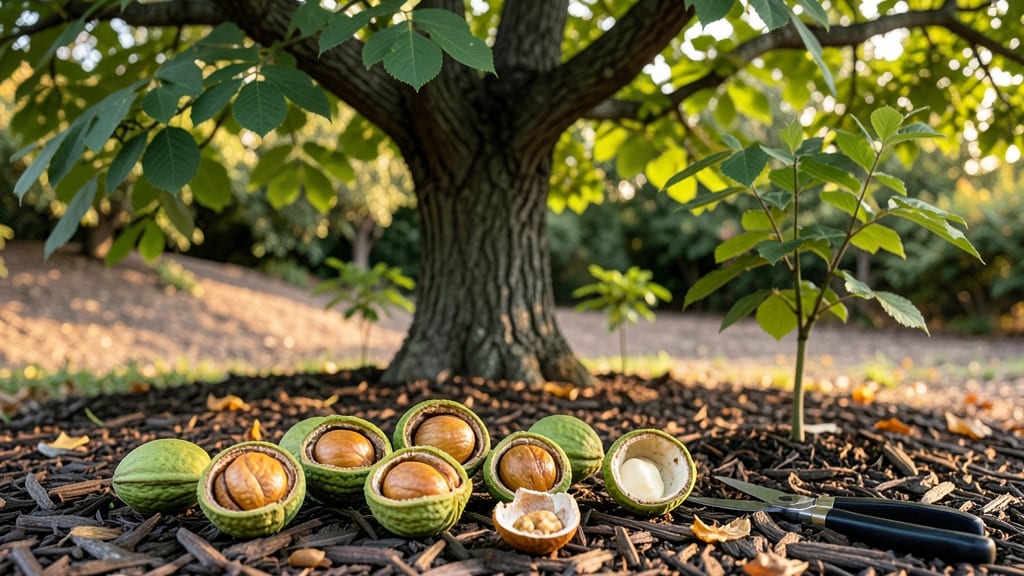
A walnut garden menu creates harmonious meals by combining fresh walnuts with seasonal garden produce like herbs, greens, and vegetables to boost nutrition and simplify harvest management. Think pesto with garden basil, salads with kale and walnut oil dressing, or baked goods using ground walnuts.
A walnut garden menu works by leveraging complementary flavors and nutrients—walnuts' rich omega-3s pair beautifully with leafy greens like kale, while their earthy taste enhances tomato-based sauces. 🌱 The key is balancing textures (crunchy walnuts with soft vegetables) and flavors (nutty meets sweet or tangy).
For example, a summer salad with walnuts, cherry tomatoes, and arugula becomes a powerhouse of antioxidants and healthy fats. This approach also reduces food waste by using garden harvests efficiently, turning every ingredient into a meal component.
To make it work in practice, I recommend starting with three core pairings: walnut oil with roasted vegetables, ground walnuts in grain bowls, and fresh walnuts in salads.
The magic happens when you let the garden dictate the menu—plant extra basil for pesto, grow plenty of tomatoes for sauces, and include herbs like thyme or rosemary to elevate walnut-based dishes. This system turns your garden into a year-round pantry while keeping meals exciting and nutrient-dense.
💡 In This Article
- Nutrient Pairing Logic for Walnut Garden Dishes
- Seasonal Walnut Garden Menu Planning Guide
Nutrient pairing logic for walnut garden dishes
Walnuts are nature's nutrient powerhouses, packed with 18g of healthy fats per 1-ounce serving—including 2.5g of omega-3 fatty acids, more than any other common nut. The key to pairing them with garden produce lies in their ability to complement specific vitamins and minerals.
For instance, walnuts' omega-3s work synergistically with vitamin K found in leafy greens like kale or Swiss chard.
This combination enhances calcium absorption, which is crucial for bone health. 🌿 The science behind this synergy comes from how omega-3s reduce inflammation while vitamin K activates proteins that bind calcium to bones.
Tomatoes provide another perfect pairing due to their lycopene content, an antioxidant that works with walnuts' polyphenols to create a potent anti-inflammatory effect. Studies show that combining lycopene-rich foods with healthy fats (like walnut oil) increases lycopene absorption by up to 6-fold.
This is why a simple tomato-walnut salad becomes more than just a flavor combination—it transforms into a cardiovascular health booster. The earthy flavor of walnuts also balances tomatoes' acidity, creating a harmonious taste profile that keeps people coming back for seconds.
Herbs like basil and rosemary add another layer of nutritional synergy. Basil contains eugenol, a compound that may help lower cholesterol when combined with walnuts' plant sterols. Rosemary's carnosic acid works as a natural preservative, extending the shelf life of walnut-based dishes while adding aromatic depth.
The flavor chemistry here is fascinating: walnuts' bitter notes (from tannins) pair beautifully with basil's sweet, peppery undertones, while rosemary's piney aroma cuts through the richness. This creates what food scientists call a "flavor bridge" that makes each bite more satisfying.
Don't overlook the practical benefits of these pairings. Walnuts' high copper content (about 0.6mg per ounce) pairs perfectly with squash or sweet potatoes, which are rich in vitamin C. This combination enhances iron absorption from plant-based sources—a critical consideration for gardeners who might be transitioning to more plant-focused diets.
The texture contrast also plays a role: crisp walnuts add crunch to creamy avocado or soft roasted vegetables, making every bite more enjoyable while improving digestion through mechanical action in the gut.
Seasonal variations matter too. In spring, pair walnuts with asparagus (high in folate) to create a dish that supports cellular repair. Summer's bounty of zucchini and tomatoes becomes a canvas for walnut pesto that's rich in both flavor and nutrients.
Fall's squash and apples offer natural sweetness that balances walnuts' earthiness. Each season's produce brings different vitamins that complement walnuts' nutritional profile, creating meals that are not just delicious but also medically beneficial. 💫