
Flowers
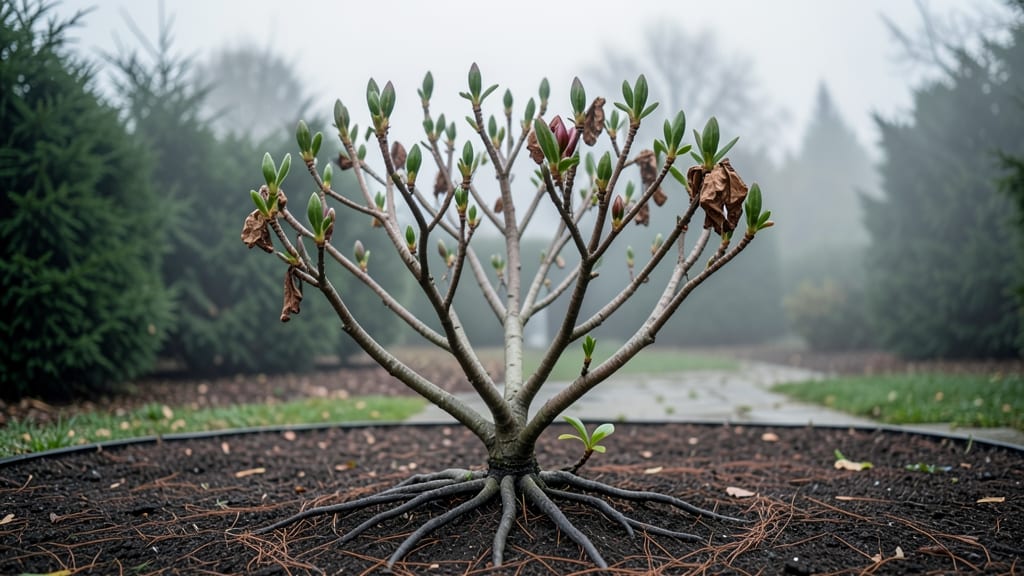
Gardenias look like evergreen shrubs in winter with glossy leaves and hidden buds waiting to bloom 🌸—their true beauty lies in how they adapt to the cold.
You might expect them to shed leaves like other plants, but gardenias hold onto their rich foliage while storing energy in those dormant buds. This winter survival trick is what makes them stand out in colder climates like zones 7-10.
Their leaves stay vibrant (though slightly darker) while the buds form along stems, ready to burst into fragrant flowers once spring arrives. Understanding this transformation helps you care for them properly during the off-season.
In this guide, I’ll show you how to spot those hidden buds, what to watch for in leaf health, and simple winter care tips to keep your gardenias thriving year-round.
How gardenias maintain their evergreen leaves in winter
Gardenias are famous for their glossy, dark green leaves that stay vibrant even when other plants shed. Unlike deciduous shrubs, gardenias maintain their foliage year-round thanks to their tropical adaptations. Their thick, leathery leaves contain waxy cuticles that reduce water loss, while internal oils help them withstand cooler temperatures.
This evergreen trait isn't just for show—it's a survival strategy that keeps them photosynthesizing even in winter's chill.
The secret lies in their leaf anatomy. Gardenia leaves have dense cellular structures that store moisture, allowing them to endure brief cold snaps. In USDA Zones 7-10, they naturally stay evergreen, though in colder regions, they may drop leaves if exposed to freezing temperatures.
Their ability to photosynthesize at lower temperatures means they can still produce energy during winter's shorter days.
🌿
| Feature | Winter Appearance | Healthy vs. Stressed |
|---|---|---|
| Leaf Color | Deep green (may darken slightly) | Yellowing or brown spots = stress |
| Leaf Texture | Thick, leathery, glossy | Wrinkled or soft = overwatering |
| Bud Formation | Tight buds in leaf axils | No buds = poor health |
| Growth Rate | Slow or dormant | New leaves in winter = over-fertilized |
One of the most striking winter features is how gardenias darken their leaves in cooler weather. This isn't a sign of stress—it's a natural chemical response to lower temperatures. The chlorophyll concentration increases to protect the leaves from cold damage, giving them a richer hue.
In healthy plants, you'll also notice small dormant buds forming at the base of leaves, waiting to bloom in spring.
To distinguish healthy winter leaves from stressed ones, check for uniform coloration. Healthy leaves stay deep green, while stressed leaves may show yellowing edges or brown patches. Another clue is leaf turgidity—healthy leaves feel firm, while stressed ones may feel limp.
If you see premature leaf drop, it's often a sign of root rot or fungal infection from overwatering.
In colder climates (below Zone 7), gardenias may enter a semi-dormant state where growth slows dramatically. Their leaves might purple slightly at the edges, but this isn't harmful—it's a cold-hardening mechanism. The key difference between natural dormancy and winter damage is the presence of new growth.
If you see soft new leaves in winter, your plant is struggling with temperature fluctuations or poor soil conditions.
Gardenias also reduce transpiration in winter by slightly curling their leaf edges. This isn't a disease—it's a way to minimize water loss during dry winter air.
If you notice extreme curling or leaf drop, your plant may need better winter protection, like a thick mulch layer or windbreaks. In my Zone 8 garden, I've found that covering gardenias with burlap wraps during cold snaps prevents this stress response entirely.
Another winter adaptation is their root system. Gardenias develop deeper root structures in cooler months to access stable soil moisture. This is why they rarely wilt in winter—even when above-ground growth slows.
If your gardenia's leaves start drooping in winter, it's usually a sign of underwatering rather than cold damage, since their roots can't access moisture as efficiently in frozen soil.
For gardeners in warmer winter zones (9-10), gardenias may even produce occasional winter blooms. These flowers are smaller and less fragrant than spring blooms but serve as a survival mechanism to encourage pollination.
If you see winter flowers, it's a sign your plant is thriving in mild conditions. Just be sure to protect these blooms from late-season frosts, as they're more vulnerable than the leaves.
🌱
Where to find dormant gardenia buds in winter (and how to spot them)
Winter gardenias may look dormant, but their hidden buds are already forming along the stems, preparing for spring blooms. These buds are smaller and less obvious than summer flowers, often tucked in leaf axils or branch crevices where they avoid harsh winds and frost.
Unlike summer blooms, which are large and fragrant, winter buds appear as tiny, oval-shaped bumps along the stems. They’re usually greenish-brown and tightly closed, blending into the plant’s evergreen foliage. Spotting them requires close inspection of the stem joints and leaf bases.
Here’s how to distinguish dormant buds from pests or disease: healthy buds feel firm to the touch, while infected areas may appear soft or discolored. Buds also form in clusters, unlike spider mites or scale insects, which appear as isolated spots on leaves or stems.
| Bud Stage | Appearance | Location | What to Watch |
|---|---|---|---|
| Tight Buds | Small, oval-shaped, greenish-brown, tightly closed | Leaf axils, stem joints | Firm to touch, no softness |
| Swelling Buds | Slightly larger, rounded, beginning to separate from stem | Mid-stem, branch crevices | Check for pest webs or discoloration |
| Pests/Disease | Soft spots, white residue, or blackened areas | Leaves, stem cracks | Isolate plant if spots spread |
Start your search at the base of new growth, where buds are most active. Use a magnifying glass to inspect leaf axils—these are prime spots for bud formation. In colder zones (7-8), buds may form later, so check stems monthly from late fall through winter.
If you find buds but they’re shriveled or blackened, it could signal frost damage. Protect your gardenias with burlap wraps or move potted plants indoors before temperatures drop below 20°F. Healthy buds will swell by early spring, signaling the plant’s readiness to bloom.
With patience and careful observation, you’ll uncover winter’s hidden promise—next year’s fragrant gardenias waiting just beneath the surface 🌿🌸