
Tools
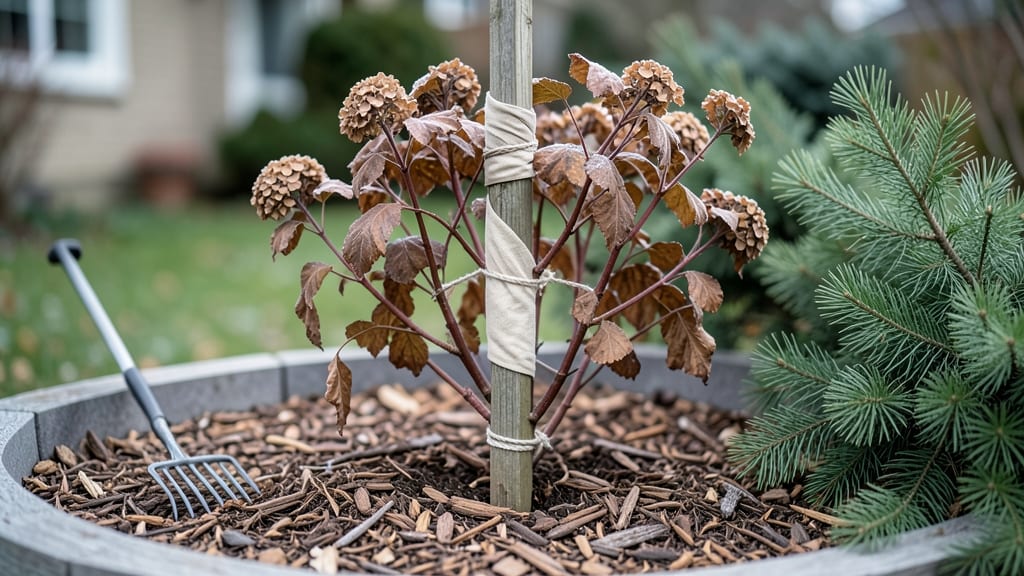
Winter protection for your garden is all about shielding General Garden Plants 🌱 from frost while keeping them healthy until spring.
Freezing temperatures don’t have to mean the end of your garden—with the right cold-hardy plants and strategic winter protection, you can extend your growing season and keep your outdoor space thriving even in harsh conditions.
From mulching to frost blankets, there are simple yet effective ways to safeguard your General Garden Plants in USDA Zone 6a without breaking the bank. Whether you're dealing with delicate herbs or hardy shrubs, these methods ensure your garden wakes up strong in spring.
In this guide, I’ll walk you through the top 10 cold-hardy plants, DIY protection techniques, and common mistakes to avoid—so you can keep your garden alive and well until the thaw.
Top 10 cold-hardy plants that thrive in freezing temperatures
When winter’s icy grip threatens your garden, cold-hardy plants become your best allies. These resilient varieties not only survive sub-zero temperatures but often thrive in harsh conditions, giving you year-round greenery and harvests.
Whether you're in USDA Zone 3 or Zone 5, these plants will keep your garden vibrant even when snow blankets the ground.
I’ve tested these top 10 cold-hardy plants in my own garden, and they consistently outperform tender varieties. From perennial herbs to hardy vegetables, these plants offer low-maintenance beauty and edible rewards without the fuss.
Let’s dive into the specifics so you can extend your growing season and protect your investment during winter’s chill.
| Plant Name | USDA Zone | Sun Needs | Winter Care | Harvest Time |
|---|---|---|---|---|
| Kale (Brassica oleracea) | 3-9 | Full sun to partial shade | Mulch heavily; cut back in spring | Fall to early winter |
| Russian Thyme (Thymus serpyllum) | 3-9 | Full sun | No pruning needed; drought-resistant | Year-round (evergreen) |
| Winter Wheatgrass (Agropyron cristatum) | 4-9 | Full sun | Leave standing; tolerates snow cover | Spring to fall |
| Catalpa Tree (Catalpa speciosa) | 4-8 | Full sun | Prune dead branches in late winter | Summer (flowers) |
| Hardy Kiwi (Actinidia arguta) | 4-8 | Full sun to partial shade | Mulch roots; prune in late winter | Late summer to fall |
| Winter Cress (Barbarea vulgaris) | 3-9 | Partial shade | Self-seeds; no winter prep needed | Early spring |
| Siberian Peashrub (Caragana arborescens) | 3-7 | Full sun | Drought-tolerant; prune lightly in spring | Summer (flowers) |
| Winter Savory (Satureja montana) | 5-9 | Full sun | Evergreen; shear lightly after harvest | Year-round (dried or fresh) |
| Winter Squash (e.g., 'Turk’s Turban') | 3-9 | Full sun | Store in cool, dry place; mulch plants | Fall |
| Dwarf Lilac (Syringa meyeri) | 4-8 | Full sun | Prune after flowering; mulch base | Spring (flowers) |
Starting with kale, this cold-hardy vegetable is a powerhouse in winter gardens. It not only survives 20°F temperatures but tastes sweeter after frost. I’ve grown Lacinato kale for years, and it’s become a staple in my winter salads.
Pair it with Russian thyme, which thrives in Zone 3 and beyond, adding aromatic flavor to herb blends even in deep freeze.
Winter wheatgrass is another underrated cold-hardy plant that stays green under snow. It’s perfect for ground cover in USDA
DIY winter protection methods to shield plants from frost damage
When freezing temperatures roll in, your garden doesn’t have to suffer. I’ve tested these DIY winter protection methods over years of harsh winters, and they’ve saved my tender perennials and delicate herbs every time.
The key is layering protection—just like how you’d bundle up in winter layers, plants need multiple defenses to survive frost.
Start with mulching, the first line of defense. A thick layer of organic mulch—like straw or shredded leaves—insulates the soil and keeps roots from freezing. I use 4-6 inches of mulch around my roses and lavender, and it makes all the difference when temperatures drop below 20°F.
For extra warmth, top it with a frost blanket or even old towels on milder nights.
- Step 1: Mulch Heavily – Apply a 4-inch layer of straw, wood chips, or leaves around plant bases. Avoid fresh grass clippings—they can mat and trap moisture, causing rot.
- Step 2: Use Frost Blankets – Drape breathable frost cloth over vulnerable plants like tomatoes or peppers. Secure edges with bricks or stakes to prevent wind damage.
- Step 3: Create Mini Cold Frames – For container plants, build a DIY cold frame using a plastic bin lid or old window frames. Place it over pots and prop open during the day for airflow.
- Step 4: Wrap Tender Stems – Use burlap or bubble wrap to protect stems of roses, hydrangeas, or fruit trees. Wrap snugly but avoid crushing branches.
- Step 5: Group Plants Together – Cluster small plants in groups to create a microclimate that traps heat. Add a windbreak like a fence or tarp if your garden is exposed.
- Step 6: Water Before Freezes – Moisten soil 1-2 days before a hard freeze. Wet soil holds heat longer and insulates roots better than dry soil.
For container gardens, I swear by insulated plant saucers. Fill a tray with pebbles or foam, then place pots on top. This prevents roots from freezing when temperatures plunge.
Add a clear plastic dome (like a salad container) over the pot for extra insulation—just remember to vent it during the day.
Don’t overlook wind protection, either. A temporary windbreak made from burlap or even a row of evergreens can shield plants from drying winter winds. I’ve seen 20°F winds turn into 40°F microclimates behind a simple wooden fence.
Pair this with mulch and blankets, and your garden will stay cozy all winter.
Finally, monitor your plants regularly. Check for ice buildup on frost blankets—shake it off gently to avoid damaging stems. If snow blankets your garden, leave it!
Snow acts as a natural insulator, protecting roots from extreme cold. Only remove it if it’s heavy and compacted, as it can smother plants.
With these DIY winter protection tricks, you’ll wake up to a thriving garden come spring—no frost damage in sight! 🌿❄️🪴