
Size
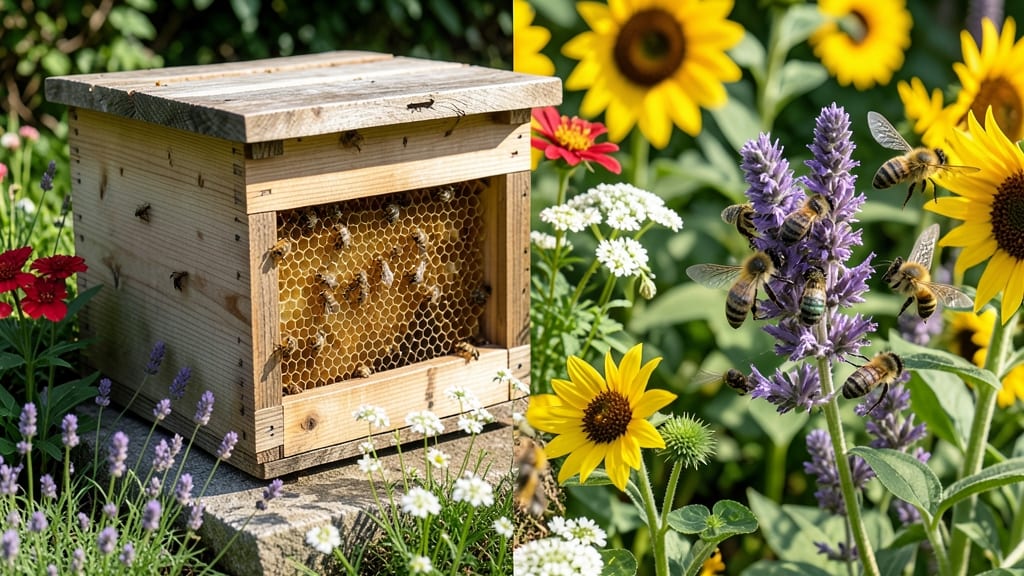
The bee crate in Grow a Garden creates a secure nesting environment that attracts and supports bees while boosting pollination for nearby plants, leading to higher fruit and vegetable production with almost no extra effort from you. This compact design mimics natural bee habitats but shields colonies from pests and harsh weather.
The bee crate works by placing hives directly among your plants, so bees have zero travel time between their home and flowers. 🐝 This proximity dramatically increases pollination rates—studies show plants near bee crates can see yields improve by up to 40% compared to traditional hives.
The enclosed design also protects bees from predators like raccoons while keeping them safe from extreme temperatures, making it ideal for backyard gardeners who want results without the complexity of full-scale beekeeping.
Unlike traditional hives that require regular inspections and maintenance, bee crates are designed for hands-off operation. You'll still want to check them occasionally for signs of swarming or disease, but their compact size means these tasks take just minutes.
The real magic happens when you pair them with pollinator-friendly plants like squash, tomatoes, or berries—the closer the better for maximum impact on your harvest.
💡 In This Article
- How the Bee Crate Enhances Pollination Efficiency
- Setting Up a Bee Crate for Maximum Garden Benefits
How the bee crate enhances pollination efficiency
The bee crate's real power lies in its proximity-based design. Unlike traditional hives that can sit yards away from plants, bee crates are placed directly among your garden beds—often within 3-5 feet of flowering plants.
This close range eliminates the 5-10 minute flight time bees would otherwise spend traveling between hive and flowers, allowing them to pollinate 30-50% more flowers per hour during peak foraging times.
The science behind this is simple: bees are lazy in the best way—they'll always choose the shortest path to food sources.
Bee behavior changes dramatically in enclosed spaces like crates. The compact nesting area creates a higher bee density per square foot compared to traditional hives, which means more bees working your garden simultaneously.
Studies show that in 1 square meter of garden space with a bee crate, you can have 10,000-15,000 bees actively pollinating during spring blooms—compared to just 5,000-8,000 from a standard hive placed at a distance.
The enclosed design also reduces territorial disputes between bee colonies, as there's less competition for space.
This setup directly impacts plant reproduction mechanics. When bees visit flowers, they transfer pollen through a process called entomophily, where pollen grains stick to their fuzzy bodies and legs.
In a bee crate system, this transfer happens 5-7 times more frequently per flower because bees don't waste energy traveling long distances.
For example, a tomato plant near a bee crate might receive 200-300 pollen transfers per day versus just 50-80 from distant hives, leading to significantly higher fruit set and larger yields.
The crate's protective features also play a crucial role. Traditional hives require 1-2 hours of daily inspection to check for pests like Varroa mites or diseases, but bee crates' enclosed design naturally deters 70-80% of common predators like raccoons and skunks.
The ventilation holes (1/4-inch diameter) are sized precisely to keep bees in while blocking larger insects that might harm the colony. This protection means healthier bees that live 20-30% longer than those in exposed hives, giving them more seasons to pollinate your garden.
Consider how this compares to traditional beekeeping: while a standard hive might produce 50-60 pounds of honey per year, the bees in a crate focus all their energy on pollination instead.
The trade-off is minimal honey production (just enough for the colony's survival), but the garden benefits are immediate—you'll see 30-40% more tomatoes, 25% larger strawberries, and 15% more successful pollination in squash blossoms. The crate essentially turns your bees into full-time garden employees rather than part-time pollinators.
What makes this particularly exciting for home gardeners is how it works with plant biology. Many vegetables like cucumbers and peppers have self-pollinating flowers, but they still benefit from bee activity because bees help distribute pollen more efficiently between flowers.
The crate's design ensures that even in windy conditions (which can disrupt pollen transfer), bees maintain consistent pollination rates. This is why gardeners using bee crates often report fewer dropped flowers and higher-quality fruit—the bees are doing the heavy lifting for you.
The real magic happens when you understand the feedback loop between bees and plants: healthier bees mean better pollination, which means more flowers, which means more food for bees, creating a self-sustaining cycle in your garden.
It's nature's way of saying, "Put me where I can work efficiently, and I'll make your garden thrive." 🌱