
Watering
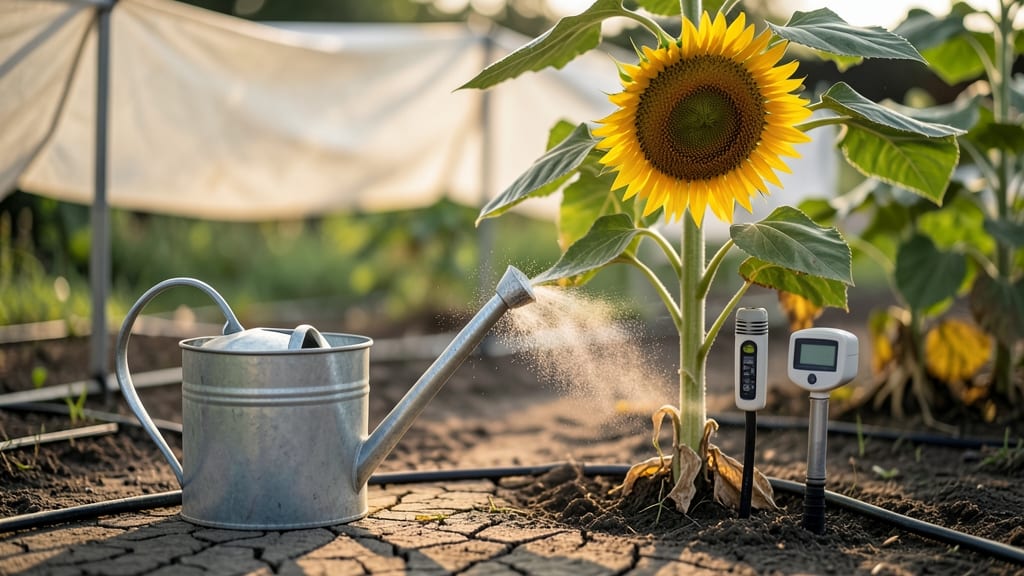
Watering your garden in summer at the right time saves water, protects plants, and keeps your 🌱 thriving without waste.
Summer heat can turn your garden into a thirsty desert—watering at the wrong time wastes resources and stresses plants, while the right timing keeps them thriving without a drop lost to evaporation.
Most gardeners assume evening watering is best, but morning actually reduces fungal risks and lets roots absorb moisture before the sun beats down. The key is understanding how your General Garden Plants react to heat and humidity.
In this guide, I’ll break down the science behind morning vs. evening watering, how often to water by plant type, and the 5 biggest mistakes that waste water—plus a checklist to keep your garden lush all season long.


Morning watering vs. evening watering: which saves more water and protects plants?
The battle between morning watering and evening watering isn't just about convenience—it's about science. During summer, evaporation rates can soar, and fungal risks multiply when foliage stays wet overnight.
But which time actually helps your plants thrive while conserving water? Let’s break down the data to help you make the best choice for your garden.
Research shows that watering in the morning (before 10 AM) reduces evaporation by up to 30% compared to evening watering. This is because cooler morning temperatures and lower wind speeds mean less water loss to the air.
Plus, plants have the entire day to absorb moisture before the heat of afternoon sets in.
However, evening watering isn’t without its benefits. Watering in the late afternoon or early evening can provide temporary relief from heat stress for shallow-rooted plants. But this comes with trade-offs: overnight humidity creates the perfect conditions for powdery mildew and other fungal diseases, which can devastate your garden.
Here’s the key: Morning watering wins for most gardens, but the best time depends on your climate, plant types, and soil conditions. Let’s compare the two approaches in detail so you can decide what works best for your summer garden.
| Factor | Morning Watering (Before 10 AM) | Evening Watering (After 6 PM) |
|---|---|---|
| Evaporation Loss | Low (30% less than evening) | High (water evaporates quickly) |
| Fungal Risk | Minimal (foliage dries quickly) | High (wet leaves overnight) |
| Plant Absorption | Optimal (roots absorb moisture all day) | Reduced (less time for uptake) |
| Heat Stress Relief | Moderate (cooler morning air) | High (temporary cooling effect) |
| Water Waste | Low (efficient use) | High (runoff and evaporation) |
| Best For | Most plants, drought-prone areas | Shallow-rooted plants, extreme heat |
For vegetables like tomatoes and peppers, morning watering is ideal because it reduces blossom-end rot (a calcium deficiency caused by uneven watering). Meanwhile, flowers like roses benefit from evening watering in humid climates because it helps them open fully the next day.
If you live in a hot, dry climate, like the Southwest, stick to early morning watering to minimize evaporation. In humid regions, like the Southeast, you might get away with evening watering—but always aim to water before dusk to reduce fungal risks.
Pro tip: Use a soaker hose or drip irrigation for morning watering. These methods deliver water directly to the roots, cutting evaporation even further and keeping foliage dry. This is especially important for container gardens, which dry out faster than in-ground plants.
One common mistake is watering too late in the evening, especially after 8 PM. By then, temperatures drop, and the air becomes still, trapping moisture on leaves.
This is when powdery mildew and leaf spot diseases thrive. If you must water in the evening, do it no later than 6 PM and avoid overhead sprinklers.
For newly planted seedlings or stressed plants, a light evening watering can help them recover from heat stress. However, this should be a short-term solution, not a habit. Always prioritize morning watering for long-term plant health and water conservation.
Ready to optimize your summer watering? Start with morning watering as your default, adjust for your local climate, and watch your plants thrive while saving water. Your garden—and the planet—will thank you.
The ideal summer watering schedule: how often and when to maximize plant health
Now that we’ve established morning watering as the gold standard, let’s dive into the ideal summer watering schedule tailored to your garden’s unique needs. The frequency depends on plant types, soil conditions, and even your local climate.
Overwatering or underwatering in summer can both lead to plant stress, so finding that sweet spot is key to keeping your garden lush and healthy.
For most vegetables like tomatoes, peppers, and cucumbers, aim to water every 2-3 days during peak summer heat. These plants need consistent moisture to prevent blossom-end rot and fruit cracking.
On the other hand, drought-tolerant plants, such as lavender, rosemary, and succulents, can thrive with watering just once a week, provided they’re in well-draining soil. Flowers like petunias and marigolds typically need watering every 2 days to keep their blooms vibrant and prevent wilting.
Here’s a quick breakdown of how often to water different plant types in summer:
- 1
- 2
- 3
- 4
- 5
To avoid overwatering or underwatering, perform a simple soil moisture test before watering. Stick your finger about 1-2 inches into the soil. If it feels dry, it’s time to water.
If it’s still moist, hold off for another day. This method ensures you’re watering based on your plants’ actual needs rather than a rigid schedule.
Watch for signs of underwatering, such as wilting leaves, yellowing foliage, or crispy leaf edges. These are clear indicators that your plants need more water. On the flip side, overwatering signs include yellowing leaves, mushy stems, or fungal growth on the soil surface.
Adjust your watering frequency based on these visual cues to keep your garden thriving.
Pro tip: Apply a 2-3 inch layer of mulch around your plants to lock in moisture and reduce evaporation. Organic mulches like straw or wood chips also improve soil health over time.
Pair this with deep watering—aim for 1-2 inches of water per week—to encourage roots to grow deeper, making your plants more resilient during heatwaves.
In hot, dry climates, like the Southwest, you might need to water daily for vegetables and flowers, while humid regions, like the Southeast, can often get by with every-other-day watering.
Always adjust based on your local weather conditions—if a heatwave is forecasted, increase watering frequency to prevent stress.
By following this summer watering schedule and paying attention to your plants’ needs, you’ll create a thriving garden that stays healthy even during the hottest months. Your plants will reward you with vibrant blooms, bountiful harvests, and lush foliage all season long. 🌱