
Tools
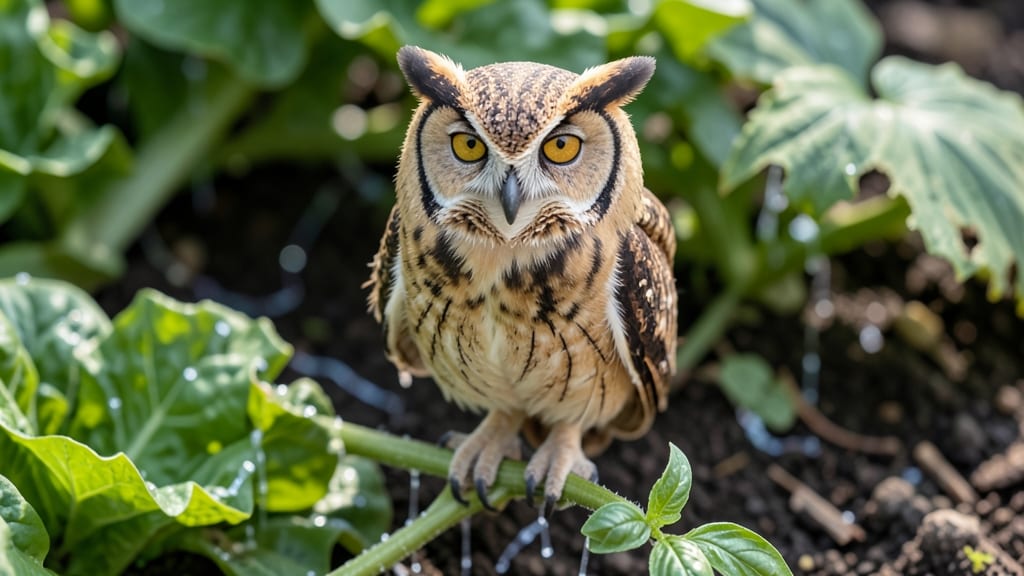
Birds like thrushes and blackbirds, amphibians such as frogs and toads, reptiles like turtles and lizards, and beneficial insects including ground beetles and parasitic wasps eat garden snails. These natural predators play a key role in controlling snail populations in your garden.
Nature has its own way of keeping snail populations in check, and understanding these relationships can help you protect your plants without harsh chemicals. 🌿 Birds like robins and sparrows are particularly effective hunters, often targeting snails during dawn or dusk when they're most active.
Amphibians such as frogs and toads prefer moist environments, making them common in gardens with water features or dense ground cover. Meanwhile, ground beetles and parasitic wasps contribute to the balance by preying on snail eggs and young, reducing future populations before they become a problem.
What's fascinating is how these predators often work together in a garden ecosystem. For example, birds may spot snails from above while ground beetles patrol the soil surface, creating a multi-layered defense system.
The presence of these natural allies means you can enjoy a thriving garden without relying solely on manual removal or chemical treatments.
💡 In This Article
- Natural Predators of Garden Snails and Their Hunting Behavior
- Encouraging Snail Predators to Protect Your Garden Plants
Natural predators of garden snails and their hunting behavior
Birds like thrushes and blackbirds are among the most effective snail hunters, using their sharp beaks to extract the soft bodies of snails from their shells. These avian predators typically hunt during dawn or dusk, when snails are most active and vulnerable.
A single thrush can consume up to 50 snails per day, making them invaluable for gardeners. Their hunting strategy involves listening for the distinctive sound of snails grazing on leaves—a high-pitched scraping noise that gives away their location.
Amphibians such as frogs and toads rely on stealth and patience, ambushing snails from below using their sticky tongues. These predators thrive in moist environments, often lurking near water sources or dense ground cover where snails congregate.
A single toad can eat 20-30 snails per week, and their presence is a natural indicator of a healthy garden ecosystem. Their hunting success is highest in gardens with shady, damp areas, where snails seek refuge from the sun.
Reptiles like turtles and lizards contribute to snail control by feeding on both adult snails and their eggs. These predators use their strong jaws to crush snail shells, a process that can take 5-10 minutes per snail due to the shell's hardness.
Garden lizards, in particular, are agile hunters that patrol the soil surface, while turtles often dig through leaf litter to find hidden snails. Their effectiveness depends on the availability of shelter and basking spots, which attract them to gardens.
Ground beetles and parasitic wasps play a crucial role in reducing snail populations at their earliest stages. Ground beetles, which are nocturnal predators, feed on snail eggs and young, preventing them from maturing into adults.
Meanwhile, parasitic wasps lay their eggs inside snail eggs, ensuring the snail population never reaches problematic levels. These insects thrive in well-drained soil with leaf litter, creating ideal conditions for their hunting grounds.
Environmental factors like moisture, shelter, and plant diversity significantly influence predation success. Gardens with varied vegetation and water features attract a broader range of predators, creating a balanced ecosystem.
For example, a garden with mulched beds and log piles provides hiding spots for amphibians and reptiles, while dense foliage offers birds and insects the cover they need to hunt effectively. Understanding these dynamics allows gardeners to design spaces that naturally minimize snail damage.
What's often overlooked is how these predators complement each other. Birds may spot snails from above, while ground beetles patrol the soil, and frogs ambush from below—creating a multi-layered defense system.
This synergy means that even a small garden can support a diverse group of snail predators, reducing the need for chemical interventions. 🌿