
Tools
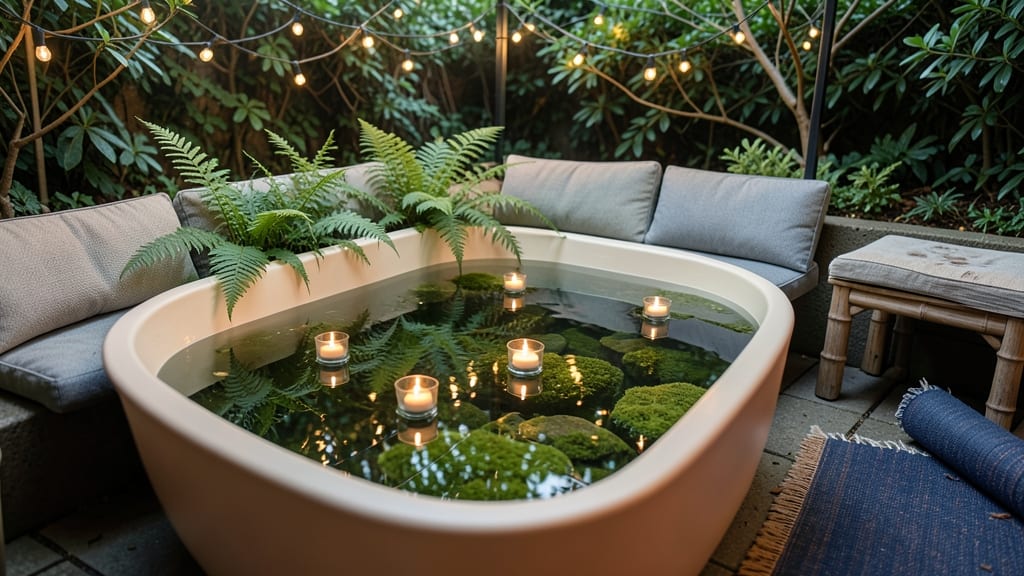
A garden bath is an outdoor soaking tub designed for relaxation, often embedded in landscaped gardens, featuring natural materials like stone, wood, or copper for a serene spa-like experience. These tubs blend seamlessly with greenery, offering therapeutic benefits through warm water immersion and nature immersion.
A garden bath transforms your backyard into a tranquil retreat, combining the healing properties of warm water with the beauty of nature. 🌿 Unlike traditional hot tubs, these tubs are designed to harmonize with your landscape, using materials like natural stone or reclaimed wood to create an organic, seamless look.
The immersion experience is enhanced by surrounding plants, soft lighting, and even waterfalls or fountains that create a soothing atmosphere. Many people choose garden baths for their ability to reduce stress, improve circulation, and provide a peaceful escape from daily life.
What sets garden baths apart is their customizable design—you can opt for a freestanding tub or one built into a deck or patio area. The depth and seating options vary based on your needs, whether you prefer a shallow soak or a deeper, more immersive experience.
Plus, their natural materials age beautifully over time, developing a unique patina that enhances their rustic charm. For those who value wellness and connection to the outdoors, a garden bath isn't just a feature—it's a lifestyle upgrade.
💡 In This Article
- Designing a Garden Bath for Maximum Relaxation
- Garden Bath Maintenance and Seasonal Care
Designing a garden bath for maximum relaxation
The key to creating a truly immersive garden bath lies in how it integrates with its surroundings. Unlike conventional hot tubs, these tubs are designed to become part of the landscape rather than an afterthought.
The best installations incorporate natural elements like local stone or reclaimed wood that complement the existing flora. For instance, using bluestone or slate creates a cool, organic feel that contrasts beautifully with warm lighting, while cedar or redwood adds natural warmth and resistance to weathering.
The seating should be ergonomic—typically 24-36 inches deep—to allow for full-body immersion while maintaining comfort during 20-30 minute soaks, which is the ideal duration for therapeutic benefits.
Water features play a crucial role in enhancing relaxation. Many garden baths include integrated waterfalls, fountains, or even small streams that create a soothing white noise effect, masking urban sounds and amplifying the spa-like atmosphere.
The water temperature is usually maintained between 98-102°F, which is warmer than a traditional bath but cooler than a hot tub, promoting muscle relaxation without causing overheating.
Lighting is another critical element—soft, warm-white LED lights (around 2700K) placed along the tub's edges or in nearby trees create a magical ambiance after dark. Some designs even incorporate solar-powered lights to maintain the natural aesthetic.
Accessibility and safety are often overlooked but essential considerations. The tub should be positioned on a non-slip surface, with a gradual entry slope (typically a 1:4 ratio) to prevent falls. Handrails or built-in seating ledges provide additional support, especially for those with mobility challenges.
The surrounding area should include a dry, paved walkway (like slate or gravel) to keep the space functional even when wet. For those with limited mobility, some designs feature hydraulic lifts or transfer seats that lower into the tub, making the experience fully inclusive while maintaining the natural look.
Plants and greenery aren't just decorative—they play a functional role in the relaxation experience. Fast-growing vines like ivy or clematis can be trained along the tub's edges, creating a living frame that softens the structure and adds a sense of enclosure.
Herbs like lavender or mint, planted nearby, release calming aromas when brushed against or when their oils are carried by a gentle breeze. The strategic placement of evergreen shrubs (such as boxwood or holly) ensures year-round privacy, while seasonal flowers add bursts of color.
Even the soil choice matters—organic, well-draining mixes prevent erosion and support healthy plant growth, which in turn enhances the tub's longevity.
Advanced designs might incorporate hydrotherapy jets for targeted muscle relief, though these are less common in true garden baths (which prioritize simplicity).
Instead, the focus is on creating a multi-sensory experience where the texture of water, sound of flowing streams, and visual harmony of nature work together to induce deep relaxation.
The result is a space that feels like a natural extension of the garden—one where the line between indoor spa and outdoor retreat blurs completely. 🌿
One of the most rewarding aspects of designing a garden bath is how it evolves with the seasons. In spring, wildflowers can be planted around the edges, while autumn brings the rich colors of maples or oaks into the scene.
Winter care—like covering the tub with a custom-fitted insulated cover—preserves its beauty and functionality, ensuring it remains a year-round sanctuary. The best garden baths aren't just functional; they're living works of art that grow more enchanting with time. ✨