
Planting
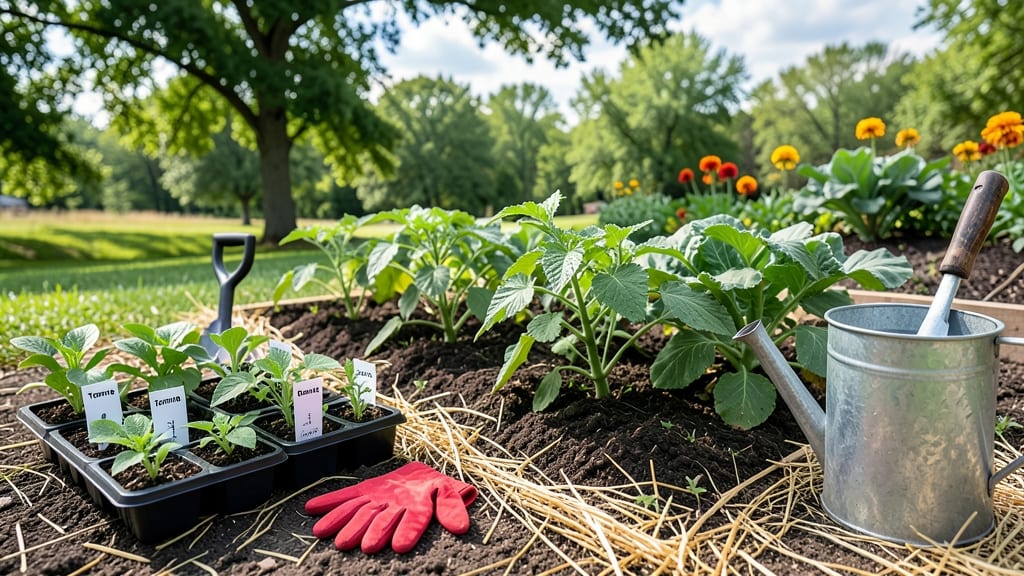
Planting your Arkansas garden at the right time ensures your 🌱 General Arkansas Garden thrives year-round, whether you're growing tomatoes or peppers in the Delta or cool-season greens in the Ozarks.
Arkansas gardeners know timing is everything—plant too early and risk frost damage, too late and miss peak harvests. Mastering the perfect planting window ensures your tomatoes, peppers, and greens thrive in the state’s unique climate zones.
With USDA zones ranging from 6a to 8a, Arkansas offers a surprisingly long growing season—180-240 frost-free days in most regions—if you know when to start seeds and set out transplants.
Below, I break down the best planting windows by region, soil temperature guidelines, and a month-by-month calendar to help you maximize yields without wasting time or resources.
Arkansas planting zones & frost-free dates by region
Arkansas spans USDA Hardiness Zones 6b through 8a, creating distinct planting windows across its three main regions: the Delta, Ozarks, and River Valley. These zones influence when you can safely plant cool-season crops like lettuce and warm-season crops like tomatoes.
Understanding your specific zone helps avoid frost damage while maximizing harvest potential.
In the Delta region (Zones 7b-8a), gardeners enjoy longer growing seasons with last frost dates between February 28 and March 15. Meanwhile, the Ozarks (Zones 6b-7a) experience earlier frosts, with last frosts arriving March 15 to April 1.
The River Valley (Zones 7a-7b) falls in between, offering a balanced timeline for both cool and warm-season planting.
First frosts typically arrive in mid-November, but this varies by region. The Delta may see first frost dates as late as November 25, while the Ozarks often experience frost by November 1.
These variations mean gardeners in the Delta can extend their growing season by 2-3 weeks compared to their Ozarks counterparts.
Below is a region-specific planting timeline that accounts for these microclimates, helping you determine the best time to plant your garden in Arkansas.
For cool-season crops like broccoli, cabbage, and spinach, plant 4-6 weeks before your last frost date. In the Delta, this means starting seeds indoors by late January, while Ozarks gardeners should begin by mid-February.
These crops thrive in cooler temperatures and can often tolerate light frosts, making them ideal for early spring planting.
Warm-season crops, including tomatoes, peppers, and squash, require soil temperatures above 60°F to germinate successfully. In Arkansas, this typically aligns with 2-3 weeks after your last frost date.
Delta gardeners can plant these crops as early as late March, while Ozarks gardeners should wait until mid-April to avoid frost damage.
Microclimates within Arkansas can further refine these timelines. For example, urban areas may experience warmer microclimates due to heat absorption from buildings, allowing for earlier planting. Conversely, higher elevations in the Ozarks can delay planting by 1-2 weeks due to cooler temperatures.
Always monitor local weather forecasts and adjust your planting schedule accordingly.
Extending your growing season is easier with row covers or cold frames, which can push cool-season planting back by 2-4 weeks. For warm-season crops, consider using black plastic mulch to warm the soil faster, especially in cooler regions like the Ozarks.
These techniques help you take full advantage of Arkansas’ diverse climate zones.
By aligning your planting schedule with your specific USDA zone and microclimate, you’ll ensure your garden thrives year after year. Whether you’re growing leafy greens in early spring or tomatoes in summer, understanding these frost-free dates is key to a successful harvest.
🌱
Soil temperature guidelines for Arkansas vegetables & flowers
Soil temperature is one of the most critical factors for successful planting in Arkansas. Unlike air temperature, which can fluctuate wildly, soil warmth determines when seeds germinate and roots establish.
In Arkansas’s USDA zones 6b-8a, soil temperatures can vary by 10-15°F between morning and afternoon—making timing everything for your tomatoes, peppers, and melons. Planting too early in cold soil stunts growth, while waiting too long risks shorter harvests or bolting plants.
Most Arkansas gardeners rely on soil thermometers to avoid guesswork. These tools measure temperature at the 2-inch depth where most seeds germinate.
Without one, you can use the DIY finger test: press your finger into the soil—if it feels cool but not icy, it’s likely in the 50-60°F range. However, this method lacks precision for heat-loving crops like okra or sweet potatoes, which need 75°F+ soil.
Raised beds warm up 1-2 weeks faster than in-ground soil due to better drainage and exposure to sunlight. If you’re using raised beds, aim to plant warm-season crops 7-10 days earlier than the guidelines below.
Conversely, in-ground soil in shaded areas (like under large trees) may stay 10°F cooler than sunny spots, delaying germination by up to 3 weeks.
| Crop Type | Ideal Soil Temp (°F) | Raised Bed Adjustment | In-Ground Adjustment | Arkansas Planting Window |
|---|---|---|---|---|
| Cool-Season Veggies (Peas, Lettuce, Spinach) | 40-50°F | Plant 7-10 days earlier | Delay by 3-5 days | Feb 15 - Mar 15 |
| Warm-Season Veggies (Tomatoes, Peppers, Eggplant) | 60-65°F | Plant 7-10 days earlier | Delay by 5-7 days | Apr 15 - May 15 |
| Heat-Loving Crops (Okra, Sweet Potatoes, Melons) | 70-75°F | Plant 10-14 days earlier | Delay by 7-10 days | May 1 - Jun 15 |
| Flowers (Marigolds, Zinnias, Sunflowers) | 55-60°F | Plant 5-7 days earlier | Delay by 3-5 days | Mar 1 - Apr 30 |
| Herbs (Basil, Cilantro, Dill) | 50-60°F (Basil: 70°F+) | Plant 7 days earlier for basil | Delay by 5 days for cool herbs | Mar 15 - Apr 15 (cool); May 15+ (basil) |
For Arkansas’s southern regions (USDA 8a), soil warms faster, so you can plant warm-season crops like tomatoes as early as mid-April in raised beds. In contrast, the Ozarks (USDA 6b) may need to wait until late April for the same crops.
Always check soil temperature in the morning (6-8 AM) for the most accurate reading—afternoon sun can inflate temperatures by 15°F or more.
If you’re unsure about your soil’s warmth, use black plastic mulch to raise temperatures by 5-10°F in just a few days. This trick is especially useful for peppers and eggplants, which struggle in cool soil.
For fall planting, monitor soil temps closely—Arkansas’s first frost can arrive as early as mid-October in the north, so aim to plant cool-season crops like broccoli by mid-August.
Pro tip: Keep a soil thermometer handy and test temps for 3-5 consecutive days to account for daily fluctuations. Arkansas’s unpredictable spring weather means a 50°F morning can turn into a 70°F afternoon—knowing your soil’s rhythm helps you time plantings perfectly for your garden’s success.