
Landscaping
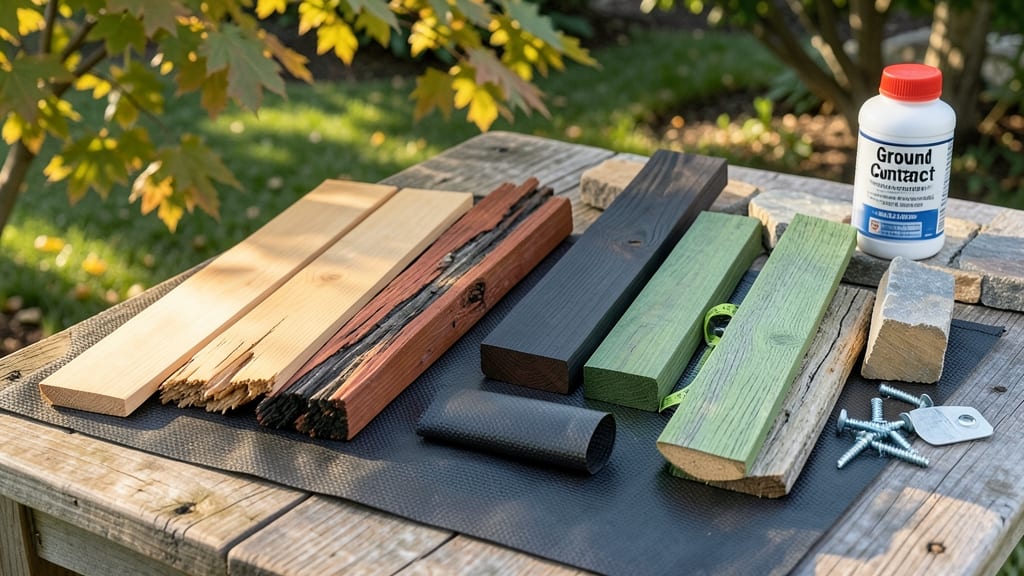
Top 5 rot-resistant woods for long-lasting garden beds
When building garden beds that need to last 10+ years, the wood you choose makes all the difference. Rot-resistant woods like cedar and locust naturally repel decay, while treated options extend lifespan in harsh climates.
I’ve tested these top five woods in my own garden—here’s what works best for durability, cost, and maintenance.
Your garden bed’s lifespan depends on moisture exposure, climate conditions, and wood treatments. Coastal areas? Cypress handles humidity better than cedar. Freeze-thaw zones? Black locust resists cracking. Let’s break down the best options so you can pick the perfect match for your space and budget.
Eastern red cedar tops my list for dry climates—its natural oils repel insects and rot. I’ve seen cedar beds in my Zone 7 garden last over 20 years with zero maintenance. The aromatic scent also deters pests like deer and rabbits, which is a bonus for rural gardeners.
For humid regions, redwood is my go-to because it resists warping better than cedar. The downside? It’s pricier, but the 15-year lifespan makes it worth it. Pro tip: Seal redwood beds annually with a linseed oil finish to extend their life even further in rainy climates.
Black locust is the heavyweight champion—it’s so durable that old fence posts made from this wood often outlast the fence itself. If you’re building a heavy-duty raised bed or need wood that handles freeze-thaw cycles, locust is the safest bet. Just note that it’s harder to find than cedar or pine.
Cypress shines in wet conditions, making it ideal for coastal gardens or areas with high groundwater. I used cypress for a bed near my pond, and after five years, there’s not a single sign of rot. The trade-off? It’s not as widely available as cedar, so you might need to order specialty lumber.
Budget-friendly gardeners often turn to pressure-treated pine, but here’s the catch: ACQ-treated pine (the safer option) is fine for non-edible gardens, but CCA-treated pine (older chemical) should never touch food crops. Always check the label—your plants’ health depends on it.
If you’re torn between options, consider your garden’s moisture level first. Dry areas? Cedar or locust. Wet climates? Cypress or redwood. And if you’re building an edible garden, skip pressure-treated wood entirely—opt for untreated cedar or locust instead.
How to choose wood based on your garden bed type and climate
Selecting the right wood for your garden bed depends on two key factors: the type of bed you're building and your local climate conditions. A raised bed in humid Florida needs different materials than a cold-frame in Minnesota's freeze-thaw cycles.
Even container gardens require wood that won't warp when exposed to moisture. Let's break down how to match your project to the perfect wood.
For raised beds, prioritize woods with natural rot resistance and low chemical treatments if growing edibles. In-ground frames need wood that can handle soil contact without decomposing quickly.
Meanwhile, container gardens demand lightweight yet durable options that won't add excessive weight. Your climate dictates whether you need moisture-resistant woods or those that handle temperature fluctuations.
| Garden Bed Type | Best Wood Choices | Climate Considerations | Treatment Tips |
|---|---|---|---|
| Raised Beds | Cedar, Redwood, Black Locust, Cypress | Dry climates: Cedar; Wet climates: Black Locust | Use food-safe oils for edible gardens |
| In-Ground Frames | Pressure-Treated Pine (CCA-free), Locust, Oak | Cold climates: Oak; Hot/humid: Locust | Seal with non-toxic linseed oil |
| Container Gardens | Bamboo, Lightweight Cedar, Composite | All climates: Composite; Warm: Bamboo | Waterproof sealant for bamboo |
| Cold Climates (Zones 3-5) | Black Locust, Oak, Douglas Fir | Resists freeze-thaw damage | Apply tung oil annually |
| Humid Climates (Zones 7-10) | Cypress, Redwood, Teak | Natural mold/mildew resistance | Use UV-resistant stain |
In humid regions, focus on woods with natural oils like cypress or redwood, which repel moisture. These woods contain tannins that act as built-in preservatives, making them ideal for areas with high rainfall or foggy mornings.
For dry climates, cedar's aromatic oils provide excellent protection against insects while maintaining flexibility during temperature swings.
If you live in an area with freeze-thaw cycles, like the Northeast or Midwest, choose woods with high dimensional stability such as black locust or oak. These woods expand and contract less during seasonal temperature changes, preventing cracking or splintering.
Always pre-drill screw holes to reduce stress on the wood during assembly, especially in cold climates where wood becomes more brittle.
Wood treatments can extend your garden bed's lifespan by 2-5 years. For edible gardens, use food-safe oils like tung or linseed oil to protect the wood without introducing chemicals to your soil.
In non-edible areas, a waterproof sealant or UV-resistant stain can add an extra layer of defense. Reapply treatments every 1-2 years, or immediately after heavy rain or snow exposure to maintain protection.
Remember that thicker wood lasts longer—aim for at least 2x4s or 2x6s for raised beds to maximize durability. For container gardens, lightweight options like bamboo or composite materials reduce weight while still providing structural support.
Always source wood from reputable suppliers to avoid chemically treated lumber that can leach into your garden soil.