
Blooming
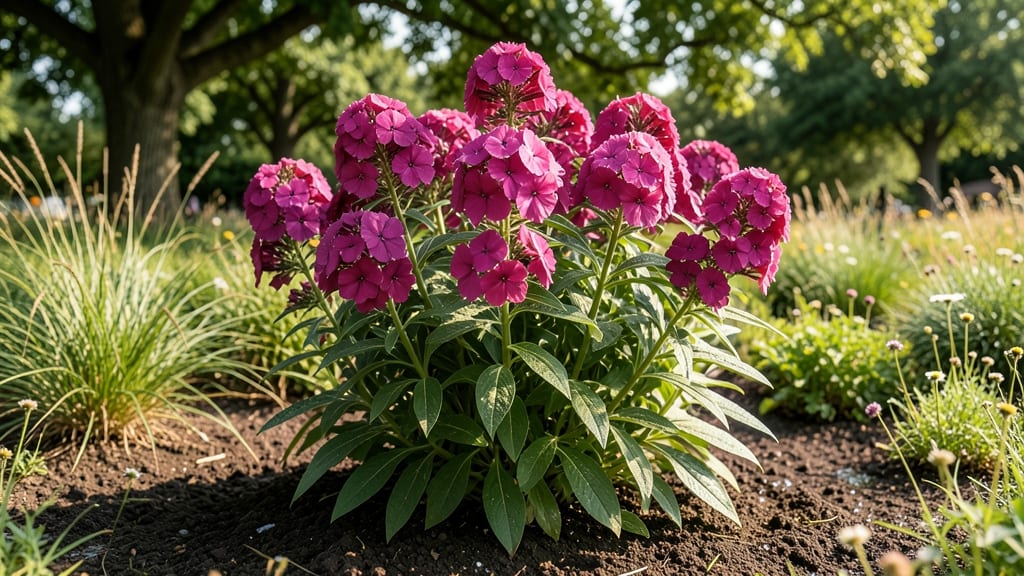
Garden phlox blooms between late May and August, with timing that shifts depending on your hardiness zone and the variety you’ve planted.
If you’ve ever wondered why your garden phlox seems to vanish one month and explode in color the next, timing is everything—and it all depends on your hardiness zone.
The key to vibrant blooms lies in understanding how climate and variety influence bloom windows. In Zone 6, where many gardeners start, you’ll typically see flowers appear in June, peaking through July before tapering in August.
Below, I’ll break down the month-by-month schedule by zone, share tips to extend your phlox’s show, and highlight the best varieties for earlier or longer blooms.
Garden phlox bloom timeline by USDA hardiness zone
If you’re planning your garden’s color palette, timing your garden phlox blooms is key. These fragrant favorites transform from foliage to floral splendor in just weeks, but their schedule shifts dramatically across USDA Zones 3-9.
Understanding your zone’s timeline helps you choose the right phlox varieties and prepare for their stunning displays.
In cooler northern zones like Zone 3-4, phlox often waits until late June or July to burst into color, while southern gardens in Zone 8-9 may see blooms as early as May or even April.
Regional microclimates—like coastal areas or mountain valleys—can also shift bloom times by weeks. Let’s break down the month-by-month schedule so you can plan your garden’s phlox highlights.
| USDA Zone | Early Bloomers | Peak Bloom | Late Bloomers | Notes |
|---|---|---|---|---|
| Zones 3-4 | Late June | July-August | Early September | Short season; choose hardy varieties like 'David'. |
| Zones 5-6 | Early June | June-July | Late August | Classic phlox season; ideal for 'Lipstick' and 'Blue Paradise'. |
| Zones 7-8 | May | June-August | September | Longer season; repeat bloomers like 'Jeanie' thrive here. |
| Zones 9 | April-May | May-July | August | Early blooms; may need afternoon shade to prevent fading. |
In Zones 3-4, where summers are shorter, phlox often makes its grand entrance in late June, with peak color lasting through July and August.
If you’re in Zone 5 or 6, you’ll likely see early blooms as soon as June, with a prolonged show through August. This is prime time for varieties like 'David' and 'Blue Paradise', which thrive in these zones.
Gardeners in Zones 7-8 enjoy the longest phlox seasons, with blooms stretching from May through September. This extended window allows for repeat blooming if you deadhead spent flowers promptly. Varieties like 'Jeanie' and 'Blue Moon' are excellent choices for these warmer climates, offering vibrant color well into fall.
For those in Zone 9, phlox can start as early as April or May, giving you a head start on summer color. However, the intense heat can cause blooms to fade faster, so providing afternoon shade and consistent watering is crucial.
Late-season varieties like 'Lipstick' often perform best in these conditions.
Regional variations can also play a role. Coastal areas with milder winters may see earlier blooms, while inland zones might experience delayed starts due to cooler nights. Mountain gardens in Zones 4-5 often have shorter bloom seasons but may enjoy longer-lasting flowers thanks to cooler temperatures.
To maximize your phlox’s performance, choose varieties that align with your zone’s timeline. Early bloomers like 'David' are perfect for northern gardens, while late-season performers such as 'Lipstick' shine in southern climates. Mixing varieties can also extend your garden’s color palette from late spring to early fall.
Pro tip: Mark your calendar for your zone’s peak bloom time and set reminders to deadhead spent blooms every 2-3 weeks. This simple task encourages repeat flowering and keeps your phlox looking its best throughout the season.
With the right timing and care, your garden phlox will deliver a spectacular show that’s worth the wait. 🌸
How to extend your phlox blooming season naturally
Phlox blooms are a garden highlight, but their show can feel short-lived if you don’t take the right steps. The secret to longer blooming seasons lies in a few simple yet effective techniques.
By focusing on deadheading, soil health, and smart variety selection, you can transform your phlox from a fleeting burst of color into a prolonged floral display that keeps your garden vibrant for weeks.
First, let’s address the most common mistake: skipping deadheading. Many gardeners assume phlox will bloom continuously, but without regular maintenance, energy shifts to seed production instead of new flowers. This simple task can double your bloom duration—and it only takes a few minutes each week.
🌸 5 Key Steps to Extend Phlox Blooms
- 🌿 Deadhead weekly: Snip spent blooms below the first set of leaves to encourage new growth.
- 💧 Water deeply: Keep soil consistently moist (1 inch per week) during bloom season.
- 🌱 Fertilize lightly: Use a balanced 10-10-10 fertilizer in early spring—avoid overfeeding.
- ☀️ Choose sun-loving varieties: David’ or ‘Lipstick’ phlox thrive in full sun and rebloom reliably.
- 🪴 Mulch annually: Apply 2-3 inches of mulch in late winter to protect roots and retain moisture.
Soil care is another game-changer. Phlox prefers well-draining, slightly acidic soil (pH 6.0–7.0). If your soil is heavy clay or overly alkaline, amending it with compost or peat moss can make a dramatic difference.
I’ve seen phlox in poor soil struggle to rebloom, while the same variety in enriched beds produced three rounds of flowers in one season.
Variety selection plays a crucial role too. Not all phlox are created equal—some varieties are bred specifically for longer bloom times.
For example, garden phlox (Phlox paniculata) typically blooms from mid-summer to early fall, but hybrids like ‘David’ can start as early as late June and last until September. If you’re in a warmer zone (7-9), consider annual phlox like ‘Nana’ for continuous color from spring to frost.
One pro tip I swear by is staggered planting. By installing two batches of phlox—one in early spring and another in late spring—you create a sequential bloom effect.
This way, as the first batch fades, the second takes over, giving you non-stop color for months. It’s a small effort with a big payoff!
Finally, don’t underestimate the power of seasonal pruning. After the first frost, cut back dead foliage to the ground. This removes hiding spots for pests and stimulates fresh growth the following spring. I’ve noticed my phlox comes back stronger and blooms earlier when I follow this step religiously.