
Blooming
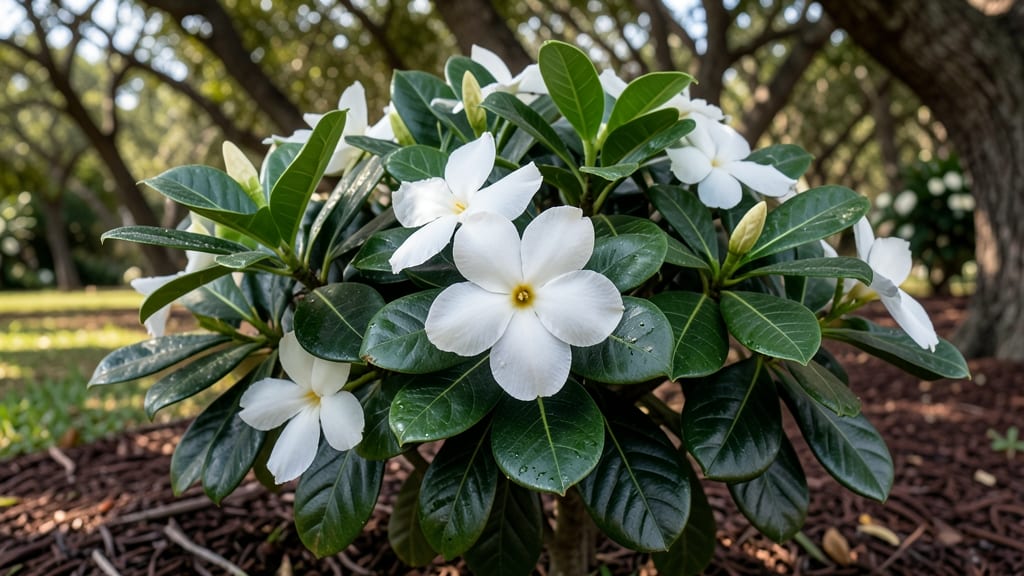
Texas gardenias bloom in spring and fall, with timing that depends on your variety and whether you’re in North or South Texas.
If you’ve ever dreamed of filling your Texas garden with intoxicating gardenia blooms 🌸, timing is everything—get it wrong, and you’ll miss the fragrant spectacle entirely.
Most varieties in Zone 8a-10b kick off their show in March or April, but coastal areas can see flowers as early as February.
Here’s the catch: heat and humidity can delay blooms, while cooler inland regions often get a second flush in fall. The key to longer blooming? Pruning at the right time and keeping soil acidic—two tricks that make all the difference in Texas’s unpredictable climate.
Below, I break down the best months by variety, how to push your gardenias to bloom earlier, and why some gardeners in North Texas swear by fall planting for a winter display.
Texas gardenia bloom seasons by variety: month-by-month guide
If you’ve ever dreamed of filling your Texas garden with intoxicating gardenia blooms, timing is everything. These fragrant shrubs thrive in our humid subtropical and tropical climates, but their bloom windows vary dramatically by variety and location.
In Texas, gardenias can flower in two distinct seasons: spring and fall, with some varieties even reblooming. Understanding these patterns helps you choose the right plants for year-round fragrance or plan your landscape for maximum impact.
Texas gardeners face unique challenges like summer heat waves and variable rainfall that can delay or extend blooming. Coastal areas like Houston often see longer bloom seasons due to higher humidity, while inland regions like Austin may experience shorter, more intense bloom periods.
The key is selecting varieties that align with your local climate and providing the right care to encourage consistent flowering.
| Variety | Primary Bloom Season | Secondary Bloom Season | Texas Climate Notes | Best For |
|---|---|---|---|---|
| G. jasminoides (Common Gardenia) | March-May | September-November | Thrives in zones 8-10. Coastal areas bloom longer. | Fragrance lovers, hedges |
| G. augusta (Cape Jasmine) | April-June | October-December | Heat-tolerant; inland areas bloom later. | Drought-resistant gardens |
| G. fortunata (Fortune Gardenia) | February-April | August-September | Early bloomer; sensitive to late frosts. | Early spring fragrance |
| G. radicans (Creeper Gardenia) | May-July | None (single season) | Needs high humidity; struggles inland. | Coastal landscapes |
| G. tabucacha (Tabucacha) | June-August | None (single season) | Late summer bloomer; loves afternoon shade. | Shady garden spots |
For Texas gardeners, the spring bloom season typically kicks off in March for early varieties like G. fortunata, while late bloomers such as G. jasminoides may not peak until May.
The timing can shift 2-4 weeks earlier in South Texas (zones 9-10) due to milder winters, while North Texas (zones 8a-8b) may see delayed blooms until April or even May if cold snaps occur.
Humidity plays a critical role—coastal areas like Galveston often enjoy 2-3 weeks longer bloom seasons compared to drier inland regions.
Fall blooming usually begins in September and can extend through November, with G. augusta often leading the charge.
In East Texas, where humidity remains high, fall blooms may persist until December, while West Texas gardeners might see blooms taper off by October. Heat waves in late summer can stress plants, causing them to delay blooming until temperatures drop below 90°F.
Consistent afternoon showers also help extend the season by reducing stress.
If you’re planting gardenias in North Texas, prioritize varieties like G. jasminoides or G. fortunata for reliable spring blooms, then add G. augusta for fall interest.
In South Texas, where winters are mild, you can push the envelope with G. radicans for coastal gardens or G. tabucacha for shaded areas. Always plant in well-draining, acidic soil (pH 5.0-6.0) and mulch heavily to retain moisture during Texas’s scorching summers.
One common mistake Texas gardeners make is assuming all gardenias bloom in spring only. While many varieties follow this pattern, G. jasminoides and G. augusta are known for their reblooming habits if given proper care.
To encourage a second flush, deadhead spent blooms regularly and avoid over-fertilizing with high-nitrogen products, which promotes leafy growth over flowers. Instead, use a balanced acid-loving fertilizer (like 8-3-9 NPK) every 6-8 weeks during the growing season.
For gardeners in Central Texas, where summers are brutal, consider creating a microclimate with afternoon shade cloth or planting near decorative fountains to increase humidity around your gardenias. This simple trick can extend blooming by 3-4 weeks in extreme heat.
Additionally, mulching with pine bark not only retains moisture but also slowly acidifies the soil, creating ideal conditions for gardenias to thrive and rebloom.
If your gardenias aren
How Texas climate zones affect gardenia blooming: what to plant where
Texas gardenias thrive across USDA Zones 6-10, but their bloom schedules vary dramatically depending on whether you're in coastal Houston, dry West Texas, or hill country Austin.
Coastal areas like Galveston (Zone 9a) often see blooms as early as February, while inland areas like Lubbock (Zone 8a) may not hit peak bloom until late April.
The key difference? Coastal humidity triggers earlier blooming, while inland heat can delay or even halt flowering entirely. In Zone 10b (South Texas), gardenias may bloom year-round with minimal stress, while Zone 7b gardeners (North Texas) often get a second fall flush when temperatures dip below 90°F.
Here’s how to match your gardenia variety to your Texas zone for optimal blooming:
| Zone | Primary Bloom Window | Secondary Bloom (Fall) | Frost Risk | Best Varieties |
|---|---|---|---|---|
| 6-7 (North Texas) | Late April - June | September - October | High (20-30°F) | 'Kleim's Hardy', 'Radicans' |
| 8a-8b (Central Texas) | March - May | August - October | Moderate (25-28°F) | 'Veitchii', 'Fortuniana' |
| 9a-9b (Coastal) | February - April | July - November | Low (30-32°F) | 'Jasminoides', 'Augustifolia' |
| 10a-10b (South Texas) | January - March | June - December | None | 'Radicans', 'Taitoo' |
For gardeners in Zone 8a-9a, the hill country presents a unique challenge: late spring heat waves can cause buds to drop. To combat this, I recommend pruning in early spring to encourage new growth before the worst heat arrives.
In coastal areas, where humidity is high, gardenias may bloom year-round if given consistent care.
Creating microclimates can also extend your blooming season. For example, planting gardenias near east-facing walls or under partial shade trees helps regulate temperature swings. In North Texas, I’ve seen gardeners use row covers during early spring to protect buds from 28°F frosts, which can kill emerging flowers.
One of my favorite tricks? Fall planting in Zones 8-10. By planting in September or October, gardenias establish roots before winter and often bloom earlier the following spring. This works especially well for 'Kleim's Hardy', which tolerates cooler temperatures better than most varieties.
Remember: Soil pH matters most—gardenias need acidic soil (pH 5.0-6.0). If your Texas soil is alkaline, amend with peat moss or sulfur to trigger blooming. With the right zone match and care, your gardenias can reward you with fragrant blooms for months—not just weeks! 🌸