
Blooming
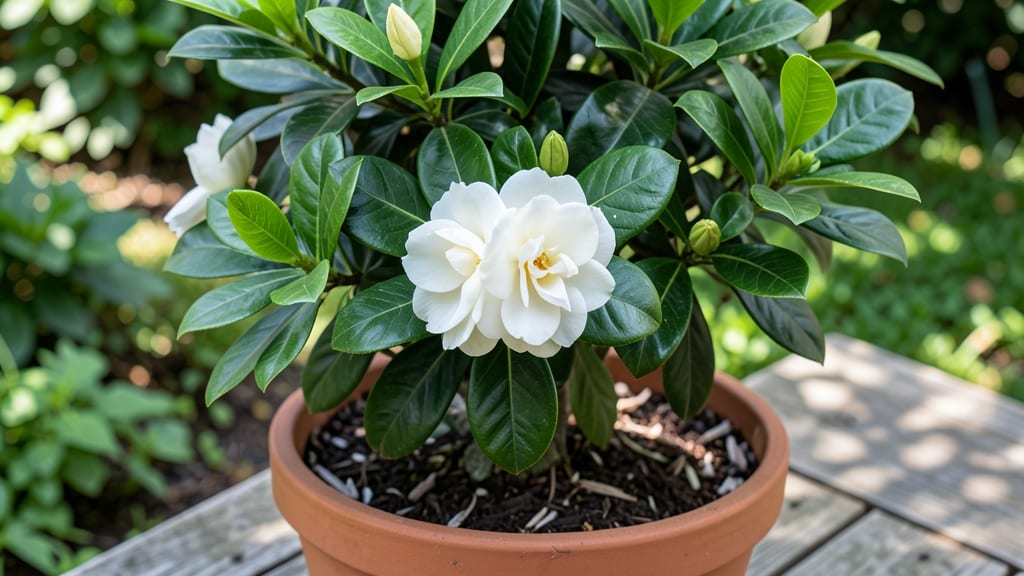
Gardenias bloom in Zone 9 between February and April, when cool winter days give way to warming air and the scent of these creamy-white flowers fills the garden at dawn.
If you’ve ever dreamed of waking up to that intoxicating fragrance, timing is everything—especially since these finicky shrubs need just the right balance of chill and warmth to set buds. Too much heat too soon, and they’ll skip blooming entirely, leaving you with lush leaves but no flowers.
The key to coaxing those 🌸 blooms lies in understanding their natural rhythm: gardenias in Zone 9b respond to the subtle shift from winter’s cooler nights to spring’s gentle warmth, typically kicking off flowering in late February if conditions are ideal.
Below, I’ll break down the exact months to expect blooms, how to adjust care for longer seasons, and the three biggest mistakes that stall flowering—so you can turn your garden into a fragrant paradise year after year.
Gardenia bloom timeline in Zone 9: month-by-month breakdown
In Zone 9, gardenias follow a predictable yet flexible blooming schedule shaped by the region's mild winters and hot summers. Unlike cooler climates, these tropical shrubs don't need cold dormancy to trigger flowers—instead, they respond to temperature shifts, rainfall patterns, and even humidity levels.
The key window spans November through March, but exact timing varies by microclimate and plant maturity.
Your gardenia's blooming rhythm starts with bud formation in late winter, typically February, when cooler evenings signal the plant to shift energy from foliage to flowers.
Peak blooming usually occurs in March and April, when daytime temperatures hover between 65-75°F—perfect for opening those creamy-white, highly fragrant blooms. Late bloomers may extend into early May, especially in coastal areas with cooler maritime influences.
| Month | Bloom Stage | Key Triggers | Care Tip |
|---|---|---|---|
| November | Early Bud Set | Cooler nights (55-65°F) | Light fertilizer (6-10-10) |
| December | Bud Development | Increased humidity | Reduce watering slightly |
| January | Peak Bud Formation | Stable 60-70°F days | Prune dead blooms |
| February | First Blooms | Evening temp drops | Increase morning water |
| March | Full Bloom | 65-75°F daytime | Harvest blooms daily |
| April | Late Blooms | Coastal breezes | Fertilize lightly |
| May | Post-Bloom | Heat stress risk | Prune spent blooms |
Zone 9's summer heat waves can actually delay blooming if temperatures exceed 85°F for weeks. Gardenias enter a temporary heat-induced dormancy, conserving energy until monsoon rains or afternoon showers signal safer conditions.
In inland areas like Phoenix, blooming may start 2-3 weeks later than coastal regions like San Diego, where marine layers keep evenings cooler.
Rainfall plays a surprising role—too much moisture in late winter can cause bud drop, while drought stress in early spring may reduce bloom quantity. Aim for 1-1.5 inches of water weekly during bud formation, delivered in early morning to prevent fungal issues.
Mulching with 3-4 inches of organic matter helps maintain soil moisture without suffocating roots.
Your gardenia's age matters too: Mature plants (3+ years) bloom more reliably than young shrubs. A 5-year-old gardenia in Zone 9 might produce 50-100 blooms per season, while a 2-year-old may only yield 10-20 flowers.
Patience pays off—established plants develop stronger root systems that support heavier blooms. For container gardenias, use 15-gallon pots minimum to prevent root-bound stress that stunts flowering.
Watch for color changes in buds—they shift from green to pale pink before opening. The most fragrant blooms typically appear on morning-glory varieties, which open fully by 10 AM and last 3-5 days.
To extend the season, deadhead spent blooms immediately (but leave some seed pods for next year's buds). In Zone 9b, where winters are slightly warmer, blooming may start as early as late December.
Heat stress after blooming can cause leaf drop, but don't panic—this is normal. Focus on shade cloth (30-50%) during June-August to protect foliage while allowing light for next year's buds. A simple Epsom salt spray (
How to extend gardenia blooming season in Zone 9 with proven techniques
To extend your gardenia’s blooming season in Zone 9, you’ll need to work with—not against—the plant’s natural rhythm. These fragrant shrubs thrive when they experience a cool winter chill followed by gentle warmth, but Zone 9’s mild winters can confuse their blooming cues.
The good news? With a few strategic adjustments, you can coax 3-4 weeks of extra blooms by fine-tuning their environment.
Start by understanding that gardenias in Zone 9 typically bloom from late February through April, but with the right care, you can push this window to include early May or even late January in cooler microclimates.
The key lies in mimicking their native tropical-forest understory conditions—acidic soil, consistent moisture, and protected afternoon light—while avoiding the pitfalls of Zone 9’s intense summer heat.
🌱 Proven Techniques to Extend Blooming
- 1
- 2
- 3
- 4
- 5
Another often-overlooked trick is to mulch heavily around your gardenia’s base with 3-4 inches of pine straw or bark. This insulates roots, keeping them cool in summer and warm in winter—critical for bud formation.
Plus, it retains moisture, reducing your watering workload by 30% during Zone 9’s dry spells.
For potted gardenias, move them to a shadier spot in summer and bring them indoors near a bright, north-facing window if nighttime temps drop below 50°F. This mimics their natural dormancy period, signaling the plant to hold onto buds longer before flowering.
Just avoid cold drafts—gardenias hate sudden temperature swings, which can cause buds to drop.
Finally, watch for bud blast, a common issue in Zone 9 where buds form but fail to open. This usually happens due to heat stress or poor pollination.
To fix it, gently hand-pollinate flowers with a soft brush in the morning, and mist buds lightly on hot days to maintain humidity. With these tweaks, your gardenias could bloom up to 6 weeks longer than the average Zone 9 plant! 🌸