
Fertilization
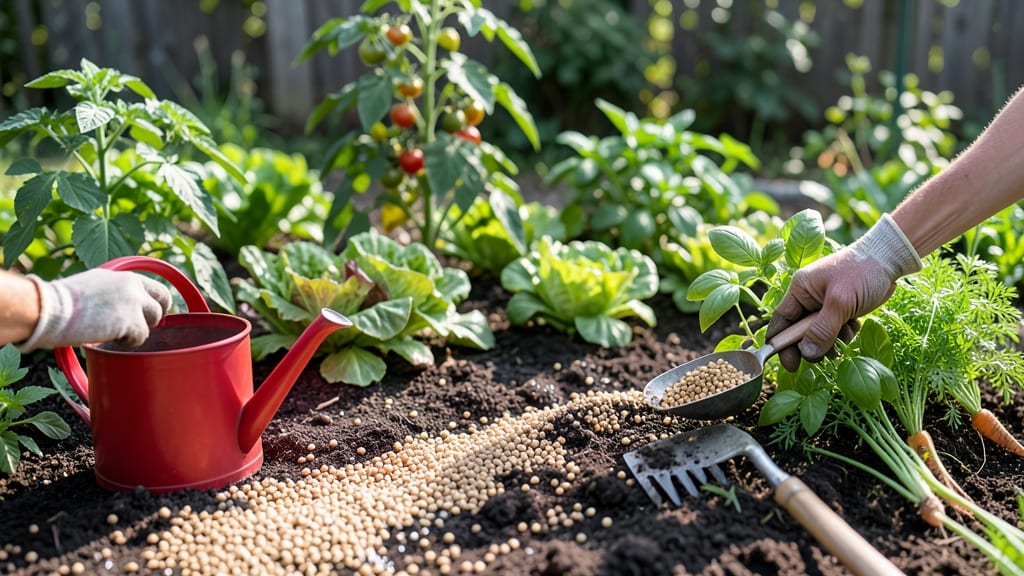
The best time to fertilize your garden aligns with your plants' growth cycles—spring and early summer are the prime windows for feeding General Garden Plants 🌱 in Zone 6a.
Picture this: you’ve just planted your seeds, and the soil looks rich, but by mid-June, your tomatoes are lagging while the weeds shoot up like rockets. That’s not just bad luck—it’s missed timing. Fertilizing too early wastes nutrients, while waiting too long starves your plants when they need fuel most.
Most gardeners focus on spring, but the real secret lies in a seasonal calendar that adjusts for soil warmth, rainfall, and even your local frost dates.
I’ll walk you through the exact months to feed, how to spot nutrient deficiencies before they cripple your harvest, and the one mistake that turns your garden into a chemical wasteland.
By the end, you’ll know not just when to fertilize, but how much and what type—so your General Garden Plants grow stronger roots, bigger blooms, and a bumper crop you’ll actually want to share.

Seasonal fertilization calendar: month-by-month guide for peak plant growth
Timing your fertilizer applications is just as important as choosing the right nutrients. Plants absorb fertilizers most efficiently when they're actively growing, but applying at the wrong time can burn roots or waste precious nutrients.
The key lies in understanding your climate zone and matching fertilization to your plants' natural growth cycles.
In cool climates (USDA Zones 3-6), the growing season typically runs from late spring through early fall, while warm climates (Zones 7-10) may have year-round growth opportunities.
Even within these zones, regional microclimates can shift optimal timing by weeks. For example, coastal areas often have milder winters, extending the fertilization window compared to inland regions.
🌱
Spring
Signs your garden needs fertilizer: how to diagnose nutrient deficiencies before it’s too late
Your plants are whispering clues about their health—if you know how to listen. Yellowing leaves, stunted growth, or pale stems often signal nutrient deficiencies, but many gardeners overlook these early warnings.
I’ve learned the hard way that acting early can save your garden from decline, so let’s decode these signs and turn them into actionable fertilizer plans.
Start by examining your plants’ leaf color. Yellowing between veins (chlorosis) usually means iron or nitrogen deficiency, while brown leaf tips often point to potassium or calcium issues. Purple stems or small, dark leaves? That’s a phosphorus shortage. These visual cues are your garden’s SOS signals—don’t ignore them!
🌱
- 🌱 Leaves yellow between veins
- 🌿 New growth stalls despite good water
- 🪴 Soil looks pale or lacks organic matter
- 💧 Plants wilt even with adequate water
- 🍂 Leaves brown from overwatering
- 🌡️ Soil is frozen or waterlogged
- 🌳 Plants are dormant (fall/winter)
- 🪴 Newly transplanted (wait 2-4 weeks)
Pro Tip: Test soil pH first! Most plants thrive at 6.0–7.0—adjust with lime (raise pH) or sulfur (lower pH) before fertilizing.
Don’t guess which nutrients your plants need—test your soil. A simple DIY pH test kit (available for $10 at garden centers) reveals whether your soil is too acidic or alkaline. For deeper insights, send a sample to a local extension office for a comprehensive nutrient analysis.
I once thought my tomatoes needed more nitrogen, but the test showed they were actually starving for magnesium—a quick fix with Epsom salt turned around their health in weeks!
For quick fixes, use organic amendments like compost, fish emulsion (high in nitrogen), or bone meal (rich in phosphorus). Slow-release fertilizers are ideal for long-term growth, while liquid fertilizers provide immediate relief. Always follow package instructions—over-fertilizing can burn roots and harm your plants more than a deficiency ever could.
Pay attention to your soil texture too. Healthy soil should crumble easily when dry and hold moisture without feeling soggy. If it’s compacted or lacks structure, mix in perlite or compost to improve aeration and nutrient availability.
I’ve seen gardens transform after just one season of soil enrichment—it’s like giving your plants a spa day!
Finally, observe your plants’ growth patterns. If they’re putting out leaves but no flowers or fruit, they likely need phosphorus. For lush foliage, focus on nitrogen-rich fertilizers.
And remember: less is often more. Start with a light application, monitor for improvement, and adjust as needed. Your garden will thank you with vibrant blooms and bountiful harvests!
🌿