
Planting
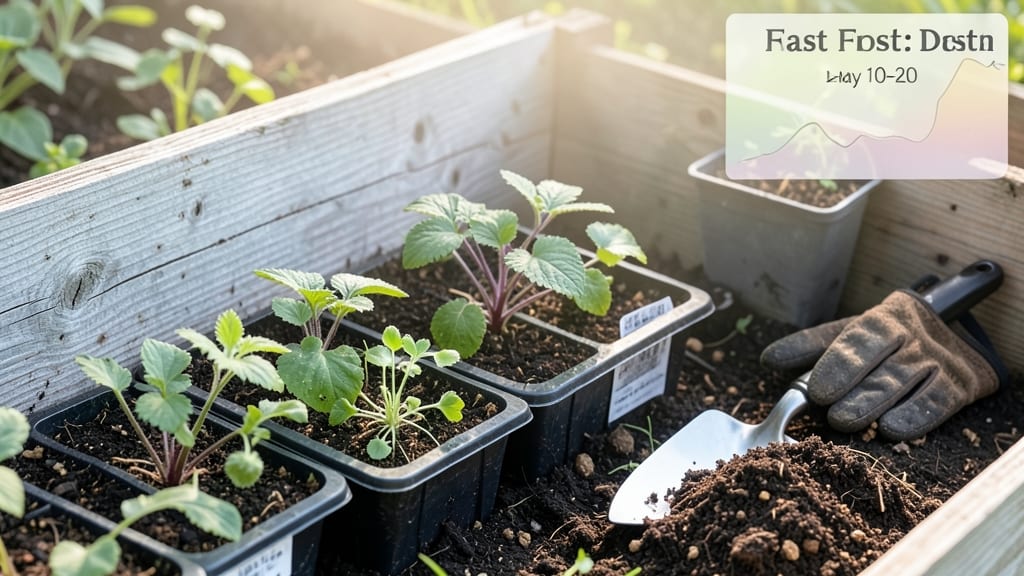
Planting your garden in Michigan at the right time means the difference between a bumper crop and a late-season disappointment.
Michigan’s unpredictable spring weather can turn your gardening dreams into a guessing game—unless you know the exact last frost dates for your county. Plant too early, and a late freeze could wipe out your seedlings; too late, and you’ll miss peak harvests.
This guide breaks down 2024’s frost timelines by region, so you can time your planting like a pro—whether you're sowing cool-season greens in April or waiting for warm soil to plant tomatoes in May.
You’ll learn how to adjust for your specific USDA zone, hedge against late frosts with smart strategies, and avoid the top mistakes that derail Michigan gardens every year.
Michigan’s last frost dates by county: 2024 planting timeline
Timing your garden in Michigan means working with a short but intense growing season. The state spans USDA Zones 4-6, with northern counties like Marquette (Zone 4) facing 100+ frost-free days, while southern areas like Detroit (Zone 6) enjoy 150+ days.
Knowing your last spring frost and first fall frost is critical—plant too early, and a surprise freeze will kill tender seedlings; too late, and you’ll miss peak harvests.
This guide breaks down 2024’s average frost dates by county, including microclimate exceptions (like urban heat islands in Grand Rapids or lake-effect cooling near Traverse City).
We’ll also highlight the ideal planting windows for warm-season crops (like tomatoes and peppers) versus cool-season starts (such as spinach and peas) to maximize your yield.
🌱 Pro Tip: Always verify with your local Cooperative Extension office or NOAA frost maps, as Michigan’s weather can swing wildly from year to year.
For warm-season crops like tomatoes, peppers, and cucumbers, wait until two weeks after
How to adjust planting for Michigan’s unpredictable weather patterns
Michigan’s unpredictable spring frosts can leave even experienced gardeners guessing. While average last frost dates offer a starting point, late-season freezes—especially in the Upper Peninsula—often push planting windows by 2-3 weeks. The key to success? Layering protective strategies and flexible planting dates tailored to your county’s microclimate.
For example, southern Michigan counties like Wayne (Detroit area) typically see their last frost around April 20th, while northern regions like Chippewa (Sault Ste. Marie) can experience frosts as late as May 15th.
These variations mean your tomato seedlings might thrive in one zone but shiver in another. Let’s break down how to adjust your planting schedule—and your garden’s defenses—against Mother Nature’s surprises.
- 1. Plant cold-hardy varieties first: Start with peas, spinach, and kale (tolerate 28°F temps) 4-6 weeks before your average last frost. These act as a frost buffer while warming soil for later crops.
- 2. Use row covers for frost-sensitive plants: Lightweight floating row covers add 5-10°F protection. Install them at night over tomatoes, peppers, and basil until danger of frost passes.
- 3. Warm soil faster with black plastic: Lay black plastic mulch 2-3 weeks before planting to raise soil temps by 10-15°F. Remove it before planting to avoid overheating roots.
- 4. Set backup planting dates: For high-risk areas (e.g., Upper Peninsula), have a second planting plan 2 weeks later. Use fast-maturing varieties like ‘Early Girl’ tomatoes (55 days) instead of heirlooms.
- 5. Monitor local forecasts weekly: Check the Midwestern Regional Climate Center for real-time frost alerts. Adjust your planting timeline if forecasts show a 30%+ chance of frost in the next 5 days.
Another game-changer is the frost buffer calculator method. Add 10-14 days to your county’s average last frost date if you’re in USDA Zone 4b or colder. For instance, if your last frost is April 25th, wait until May 9th to plant warm-season crops like cucumbers or squash.
This simple adjustment accounts for 50% of late-season frost risks without requiring extra tools.
For container gardening, which warms up faster than in-ground soil, you can push planting dates 7-10 days earlier. Fill pots with heat-absorbing materials like coco coir or sand mixed into potting soil. Place containers on black plastic or dark-colored surfaces to maximize heat retention.
This trick is especially useful for balcony gardens in Detroit or Grand Rapids, where urban heat islands can create microclimates 2-3°F warmer than rural areas.
Don’t overlook the power of succession planting as a frost insurance policy. Instead of planting all your lettuce or radishes at once, stagger seeds every 10-14 days until June 1st. This ensures a continuous harvest while minimizing frost damage.
Pair this with fast-growing varieties like ‘Cherry Belle’ radishes (25 days to maturity) to guarantee at least one successful batch, even if early plantings fail.
Finally, keep a garden journal to track your local frost patterns. Note the actual last frost date each year—it’s often 1-2 weeks later than the average—and adjust future plantings accordingly.
Over time, you’ll develop a customized frost buffer that outperforms generic planting guides. With these strategies, you’ll turn Michigan’s unpredictable weather into a growing-season advantage. 🌱