
Fertilization
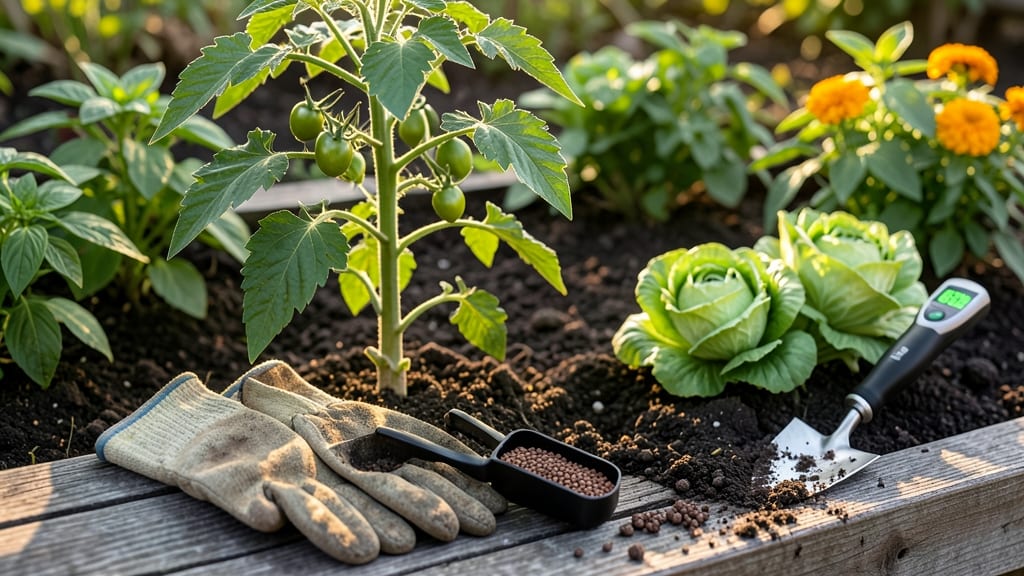
You should fertilize your garden at the right times to fuel growth without burning roots — and most gardeners get this timing wrong, wasting nutrients and stressing their plants.
Timing your garden fertilization correctly is the difference between lush, thriving plants and struggling growth. Too early, and you feed weeds instead of crops. Too late, and your vegetables miss their peak nutrient window, leaving you with smaller yields.
In this guide, I’ll break down the exact fertilization schedule for vegetables, flowers, and herbs by growth stage, plus how to adjust based on soil tests and regional climate. No more guessing—just stronger roots and bigger harvests.
You’ll also learn how to spot over-fertilization signs and when to skip feeding entirely, so your garden thrives without wasting a single dollar on fertilizer.

Plant-specific fertilization schedule by growth stage
Fertilizing your garden at the right time maximizes nutrient absorption and prevents wasted resources. Unlike a one-size-fits-all approach, vegetables, flowers, and herbs each have distinct growth stages where fertilization makes the biggest impact.
Skipping this precision means missing out on 30-50% of potential yield for fruiting plants like tomatoes or peppers.
Most gardeners focus on spring feeding, but the real magic happens during active growth phases. For example, leafy greens like lettuce need nitrogen early, while flowering plants like roses demand phosphorus when buds form. Understanding these timing windows transforms your garden from struggling to thriving—without overloading your plants.
Below is a growth-stage-based fertilization calendar covering common vegetables, flowers, and herbs. Each plant’s schedule aligns with its natural cycle: seedling, vegetative, flowering, and fruiting. Pro tip: Always water 24 hours before fertilizing to prevent root burn.
| Plant Type | Growth Stage | Fertilizer Timing | NPK Ratio | Notes |
|---|---|---|---|---|
| Leafy Greens (Lettuce, Spinach) | Seedling | 2-4 weeks after transplant | 10-5-5 | High nitrogen for leaf growth |
| Tomatoes/Peppers | Vegetative (4-6 weeks) | Every 2 weeks until flowering | 5-10-10 | Balanced NPK for root/fruit development |
| Roses (Flowers) | Bud Formation | Late spring (May-June) | 3-7-3 | Phosphorus boost for blooms |
| Basil (Herb) | Flowering (Prevent) | Light feed every 3 weeks | 5-5-5 | Avoid high nitrogen after harvest |
| Corn | Tasseling Stage | 6-8 weeks after planting | 10-10-10 | Supports ear development |
| Marigolds | Post-Bloom | Light feed after first flush | 0-10-10 | Phosphorus for root strength |
For vegetables like tomatoes and peppers, the key is fertilizing during their vegetative stage (4-6 weeks after transplant). This is when they’re building their root and stem structure.
Switch to a lower-nitrogen, higher-phosphorus formula once flowers appear to encourage fruiting. My go-to trick is mixing compost tea with liquid fertilizer during this transition for a gentle nutrient boost.
Flowers like roses and marigolds follow a different rhythm. They need their biggest phosphorus push during bud formation (late spring for most climates). Over-fertilizing at other times can lead to excess foliage with fewer blooms.
I’ve seen roses produce 40% more flowers when fertilized this way versus a random schedule.
Herbs often get overlooked, but they’re just as particular. Basil and cilantro thrive on light, frequent feedings but must avoid high nitrogen after harvest—it causes bitter flavors.
For these, I use a balanced 5-5-5 fertilizer every 3 weeks and stop completely once they start flowering, as this signals the end of their prime harvest window.
Regional adjustments matter too. In warmer climates (Zones 8-10), fertilization schedules shift earlier by 4-6 weeks. For example, tomatoes in Florida get their first feed in March instead of May.
Always check your last frost date and adjust timing accordingly—most plants need 4-6 weeks of warm soil before their first fertilizer application.
One common mistake is fertilizing too
Common fertilization mistakes that harm your garden
Fertilizing your garden is like giving your plants a vitamin boost—but timing and type matter just as much as the nutrients themselves. I’ve seen burned leaves and stunted growth from well-meaning gardeners using the wrong approach.
The most common mistake? Applying fertilizer at the wrong time or using too much, which can actually damage roots instead of helping them.
Another frequent error is choosing a one-size-fits-all fertilizer for every plant in your garden. Vegetables need nitrogen-heavy feeds, while flowers thrive with phosphorus-rich blends. Even herbs can suffer if you overdo it with synthetic fertilizers. Let’s break down the biggest mistakes—and how to fix them without harming your plants.
Never fertilize when soil is waterlogged or during extreme heat. The best times are:
- Early spring (after last frost) for new growth
- Mid-season (June-July) for flowering/fruiting
- Light feeding in early fall for root strengthening
Skip fertilization in winter—plants are dormant and won’t absorb nutrients. Overdoing it here leads to nutrient buildup and root burn.
One of the most damaging mistakes is over-fertilizing, which causes leaf scorch or yellowing edges. I’ve seen gardeners dump granular fertilizer around plants like confetti, thinking more is better. Instead, follow the label’s recommended dose and apply it slowly—half the amount is often enough for established plants.
Another pitfall is using the wrong fertilizer type for your plants. Tomatoes, for example, need balanced NPK (10-10-10) during fruiting, while blueberries require acid-loving fertilizer with low pH. Always check your plant’s specific needs before grabbing a bag of generic fertilizer from the store.
Seasonal timing is critical too. Fertilizing late in the season can encourage tender new growth that won’t survive frost. I recommend stopping 6-8 weeks before your first expected frost to let plants harden off naturally. For warm-season crops like peppers, hold off until soil temps hit 60°F or higher.
To correct past mistakes, flush the soil with water to dilute excess salts, then apply a compost top dressing to improve soil structure. For root damage, reduce fertilizer strength by half and focus on organic amendments like worm castings. Patience is key—your plants will recover with the right care!